
I’ll be celebrating Easter today but absent of physically attending mass and not driving to get together with my extended family, I will be feasting on an Easter meal. This is in addition to preparing pierogies, babka, and hardcakes in the tradition of my Polish heritage this past weekend. Food is also one of my favorite topics to read about too. Here are several books I’ve read in the past few weeks that would be worth taking a look at if you’re one of my tribe of food-loving readers.
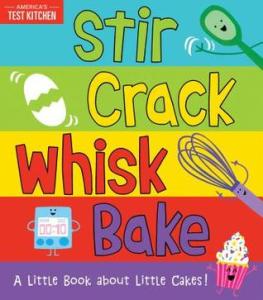
This fun “little book about little cakes” is exactly the cool interactive story to introduce future chefs to the kitchen with our favorite sweet treats: cupcakes. It asks the readers to shake things up and move things on the counter while reading then enjoy the feast visually with the bright colors and delicious-looking sprinkles by the end.
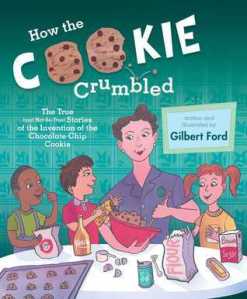 Moving on to an informative picture book, this one details the life of Ruth Wakefield, inventor of the chocolate chip cookie. Ford provides the three versions of how people think the cookie was created and has fun providing you with a well-rounded tale of her passion for food and how her toll house became part of the “Nestle’s Toll House Cookie” recipe stamped on each chocolate chip bag you buy.
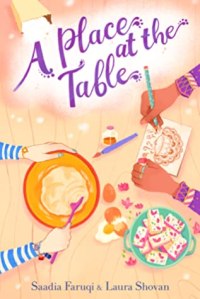 Faruqi and Shovan are publishing A Place At the Table next month and I couldn’t be happier that this book exists. When I read it, I felt a warmth for the characters and the food that filled me up with love. Sara is Pakistani American and Elizabeth is Jewish and they both end up in the Southeast Asian cooking class run by Sara’s mother after Sara moves to the school. They befriend one another and find that their connections run a bit deeper as both of their mothers are not naturalized American citizens. But as the title implies, the girls work through typical middle grade angst by finding a place for each other at the table.
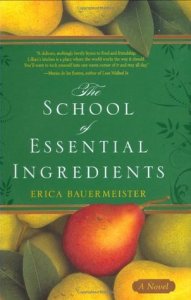 And last is an adult title that was recommended to me by a friend. While the book is over ten years old, it will resonate with those who can appreciate all the ways that food affects our lives be it romance or in mourning, friendship or solitude. It’s a series of vignettes that are all centered around Lillian’s cooking school “The School of Essential Ingredients” that she runs on Monday nights. It follows the attendees in various parts of their lives and how they all came to be together in the class. The languid storytelling is part of the appeal, like savoring a meal, and enriches the understanding. I also found myself pausing and re-reading lines that hit me to my core as a cook, baker, lover of food. As said by two participants in the class: “Here’s to kitchens. And here’s to what comes out of them.”
There you have it, four mouthwatering titles from pre-K to adult that you can enjoy when your pining for a book to capture the magic of food.


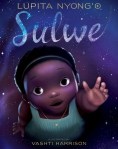 And last, another powerhouse name (in this case two!) attached to a powerhouse book. This one is Sulwe written and inspired by Lupita Nyong’o and illustrated by Vashti Harrison. If I could live inside the illustrations and surround myself with the colors of this book, I would which is ultimately what the story discusses: color. Sulwe feels estranged from others because of the darkness of her skin which is the darkest of her entire family and while she hears that her skin is beautiful, she doesn’t feel like it. She hears taunts and connects words with their connotations that are all too often negative. It isn’t until a magical evening that she’s told the story of the day and the night where she sees the importance of everyone’s differences and how they’re dependent on one another like the sisters of daytime and nighttime.
 Maybe it’s because I’m a woman or maybe it’s because I’m a librarian, but either way, I want to take a moment to celebrate books about periods. They’ve been kind of having a moment. And I knew I wanted to share a post about periods two days ago when I finished Lily Williams and Karen Schneeman’s graphic novel published by First Second this past January called Go With the Flow. It’s a celebration of menstruation and friendship alongside actively advocating for rights.
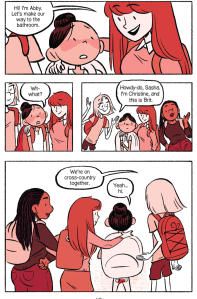 But let’s also give it up for the most memorable scene where Sasha’s blood-stained pants are showing as the girls usher her to the bathroom and why the book works so well in its graphic novel format. Most can empathize or sympathize with her situation and it’s the kind of thing that is discussed in other books discussing periods: the truthful portrayal.




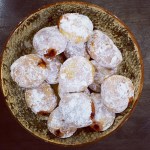 Fat Tuesday is also Paczki Day. Paczkis are Polish doughnuts usually with jelly filling and rolled in either powdered sugar or granulated sugar. They’re made on Fat Tuesday in preparation for the Lenten season’s austerity. This past Monday, I homemade them and was excited to share them with my family, colleagues, and neighbors who all know my love for baking.


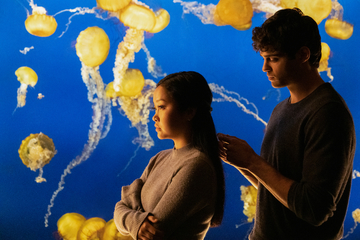
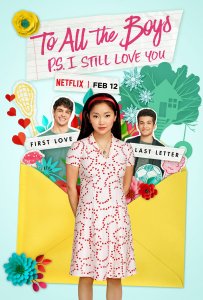 Romance is not a category of fiction that I seek out regularly. But give me a good romance on the small screen like Netflix has done with Jenny Han’s book series and I’m sold.

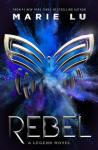 Marie Lu’s Rebel, the fourth book in the Legend world that takes place in the future in which Daniel’s brother, Eden, is attending university in Antarctica where they’ve settled while June is still working in the Republic. The story, like Lu’s others, have two narrators that are differentiated by the text color as they pace the book out with the developing conflict as it switches fluidly back and forth. The world she creates is superb and the futuristic action is heart-pounding.
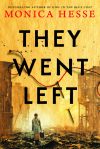 Monica Hesse’s yet-to-be-released They Went Left that’s anticipated for an April release. Not only have I read Hesse’s other YA historical fiction titles, but her adult nonfiction book American Fire. All showcase her skillful writing. This one fits in a newer focus of YA books on the liberation of Jews after World War II like the Morris finalist from last year, What The Night Sings by Vesper Stemper. Hesse dives into this world with Zofia, who has lost most of her family but still holds out hope that her younger brother Abek has survived. Shifting to several places before settling into a relocation camp where she meets a brooding boy, Josef, she is reunited with Abek but questions about what both boys have been through since the war broke out provide the riveting content of the book’s second half. Put this at the top of your list for April.
 Here were some of my favorites to discuss:


