While focused on reading fiction titles for 2019 sitting on the Best Fiction for Young Adults committee, I do need to take breaks and read nonfiction and also vary my format with graphic novels. I especially have a fondness for graphic novels because of their power to capture readers’ imaginations visually. I can do a six sensational list at another date (*cough* Saga). In the meantime, I’m stopping to talk specifically about Mariko Tamaki and Rosemary Valero-O’Connell’s May 2019 publishing of Laura Dean Keeps Breaking Up With Me and spend the majority of this post gushing about its use of mood.
With pink hues sparsely added with the black and white, certain memorable scenes created moments of pause. Literal pausing to stare more deeply at the characters’ interactions or background. As Frederica lays back on her bed pining away for her indifferent on/off again girlfriend Laura Dean, Valero-O’Connell highlights Frederica’s “sigh” in pink and with cursive. Scenes where Frederica is actively abandoning her friendship with Doodle to chase after Laura Dean hold so much emotion in the choices of posture and panel layout that readers are transported to the bedroom or the school. And a reader cannot forget the scenes in which Frederica has hopefully realized true friendship by comforting Doodle in a time of need.


And while the title character and her frustrating manipulation of Frederica, our protagonist is significant the secondary story with Frederica’s friend Doodle together stumbling through how to be a good friend makes Doodle the more memorable character. Readers feel every ounce of Doodle’s continual disappointment as Frederica runs after Laura Dean time and time again. But it’s how she deals with her own adversity toward the last third of the book that captures the mood of friendship and disappointment.
There are so many passages to reflect on as memorable quotes whether it’s the dialogue between characters or the narrative given in Post-it like windows, perhaps my favorite comes toward the end as Frederica is caring for Doodle and thinking about Laura Dean. It says
“The truth is, breakups are usually messy, the way people are messy, the way life is often messy. It’s okay for a breakup to feel like a disaster. It doesn’t feel okay, but I assure you it is okay. It’s also true that you can break up with someone you still love. Because those two things are not distinct territories: love and not loving anymore.”
If that doesn’t capture teen romance and feelings, I don’t know what does.
Ultimately when there are discussions about “the best” graphic novels, this one has clawed its way to the top as I continue to reflect on it several days after reading it. It’s a thinking book. It’s a work of art. Its positive and negative examples of relationships are masterpieces. It reduces us to our most basic needs and portrays vulnerability. I need more of these in my life done the way this one was, capturing mood so well it needs to be referenced in a dictionary next to the literary device. I advise everyone to read this.


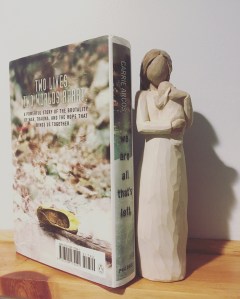 So when I began reading Arcos’ book and the first flashback chapter told from Zara’s mom, Nadja’s point of view in 1992 in Visegrad I knew there was something special. It took a little bit to build as there was an uncertainty between the dysfunction of Zara and Nadja’s mother-daughter relationship, but it ballooned once readers began to connect Nadja’s war-torn young adulthood and Zara’s discovery of Nadja’s hardships as Nadja lays comatose after a bomb detonates at the farmers market they were visiting. Zara is wounded and suffering from post-traumatic stress while again, her mother is hospitalized unable to communicate. It becomes less about the present day and more about Nadja’s survival against the atrocities of war while trying to hold on while the trauma of murder and rape burns through their family, neighborhood, and country.
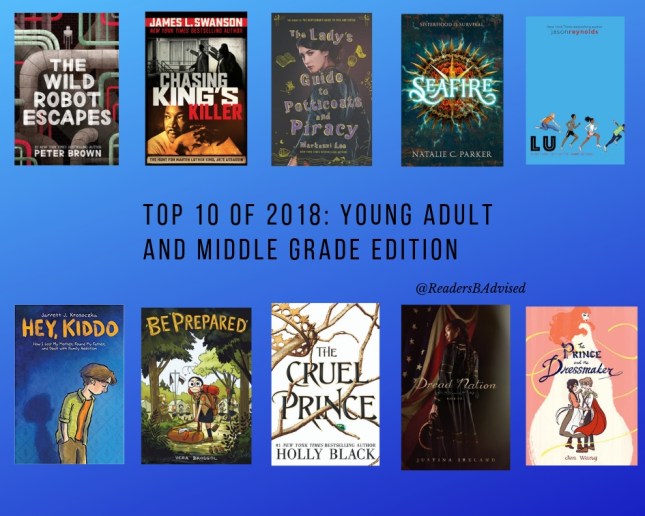
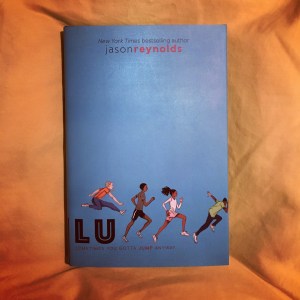 What was I thinking? Plenty of us avid readers have felt sadness in the last book of a beloved series and this one was no different. Reynolds is the GOAT, period. Whoever designed the covers needs a raise. Reynolds’ ability to create deep characters with authentic middle grade voices has been spotlighted in this series and shines again with Lu, another track star under Coach’s tutelage who is helping his father right his wrongs while hopefully looking toward a future with a baby sister when his mother should have never even been able to have him. Rich with inspiration and motivation, it’s the power of our human experience through Lu whose Albinism hasn’t changed his perspective much, in fact his newest job as big brother has allowed him to grow as he passes through the awkwardness of youth.