Each work day includes literary lunch. It’s simple: I sit alone in the workroom and eat my lunch while reading.
Boom. Literary lunch.
I have been doing this for years. It A) gives me quiet time without human interaction to recharge and reset for the second half of the day, and B) builds a regular opportunity to read each day that I can look forward to, C) helps reduce my TBR pile.
For close to fifteen years, I have moderated a young adult book group for local educators through a collective. Many of those years were in person meetings at local school libraries based on who was attending the meeting and who volunteered to host. But the pandemic moved us online and then the convenience of the platform as well as the expansion of who attended meant that it was easier to sign up than dive forty minutes to an hour for some folks.
Over the years, librarians and educators have retired who were active members. Others have gotten busy with other activities and duties and have stopped coming. Other newer members have come regularly. And one thing stays true, that everyone has a book personality.
We do not have a set reading list. Participants talk about what they’ve read most recently and how it can be relevant to our school libraries and classrooms. That’s the beauty of the book group. Thus, we can count on certain genres or categories to be represented based on participants’ personal reading enjoyment. We have an Austen lover who finds every retelling to read and talk about. We had a woman whose parents were academics of English history and thus every historical fiction period piece featuring the reign of kings like Henry VIII would be shared. We had another who couldn’t bear to have an animal die in a book. Count on me to bring a dark or disturbing book.
I love getting to know everyone’s book personality. Of course we all read outside our comfort books, but it’s nice to know that my weakness is another’s strength.
I spent part of my winter break watching documentaries of the 3-5 episode variety about newsworthy events that have occurred, unconscionable crimes committed, or about people. I much prefer a documentary over a movie with a fictional premise. It would make sense that my love of documentaries is because I love nonfiction so I thought I would share a few recently-read nonfiction titles.
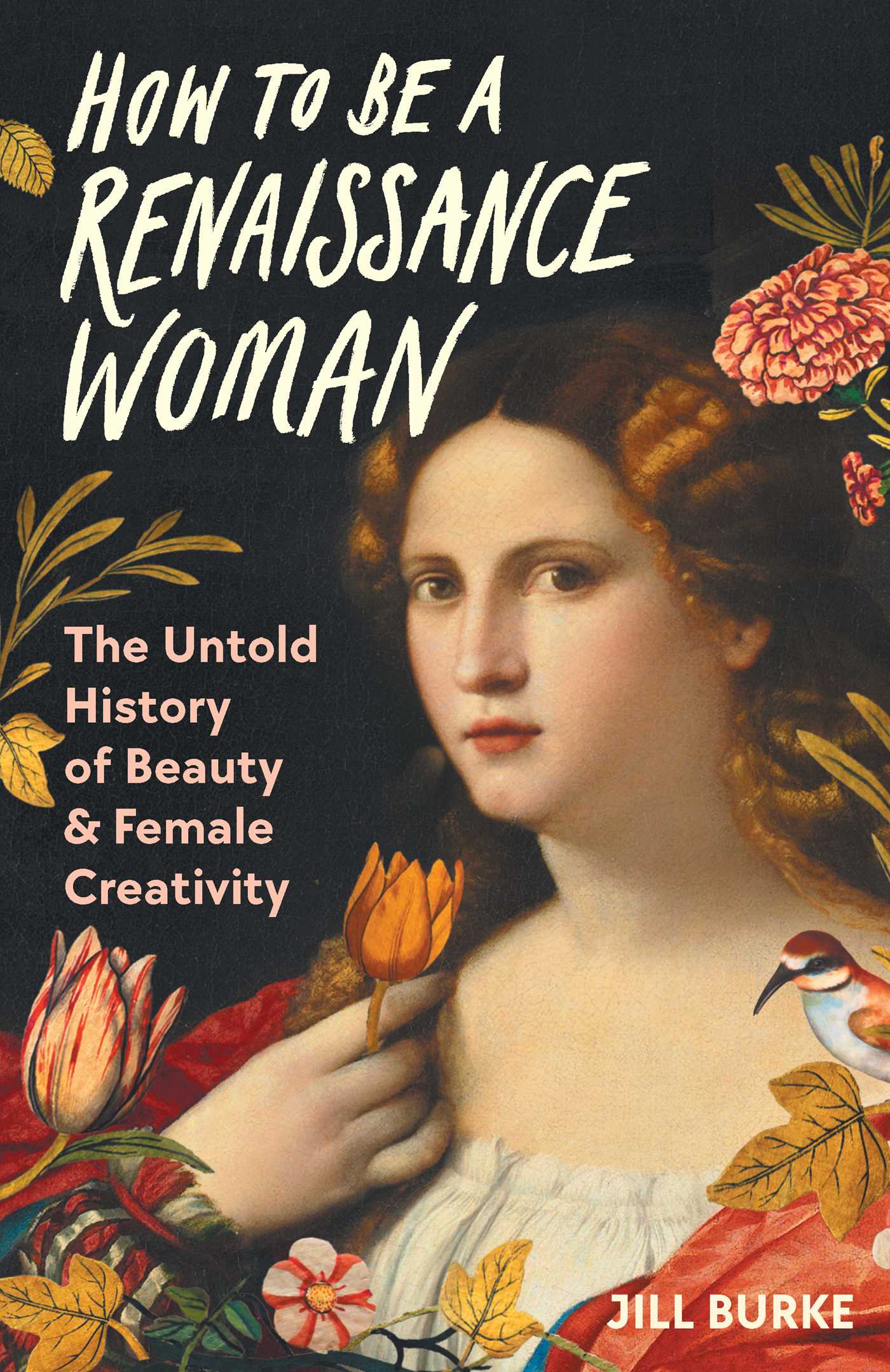
Two that focused on women in history. In particular, I’ve talked about How To Be A Renaissance Woman: The Untold History of Beauty and Female Creativity by Jill Burke to several people including one of our cosmetology teachers at our high school.
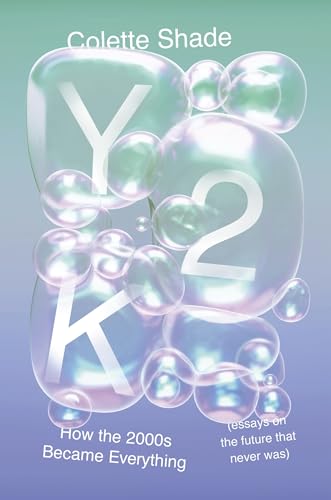
An essay collection about the 2000s by Colette Shade which I had fun with in remembering this time, especially the term Y2K!
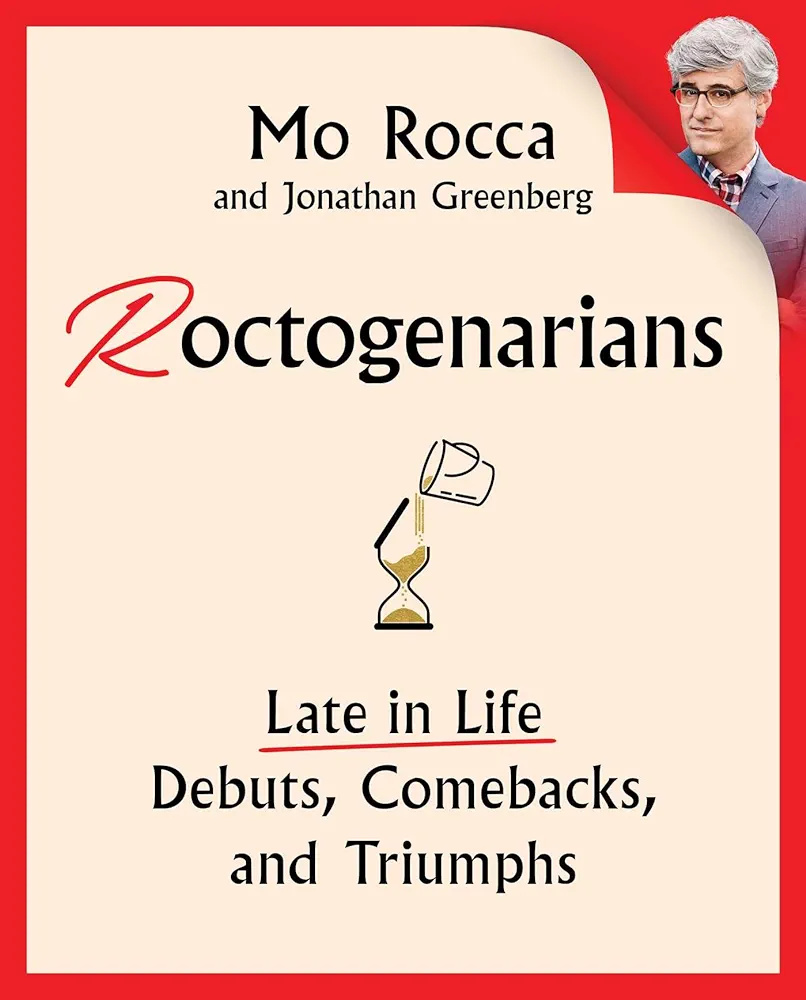
I love a good biography or autobiography or in the case of Mo Rocca’s newest, a collective biography. Both were fantastic audiobooks.
And last, a Youth Media Award winner. A book published in another country in a language other than English translated for an American audience featuring the homes of animals near and far. Intricately drawn with straightforward but lyrical text, I enjoyed Home by Simler.
Representation matters. And in the case of books for teens in which the teen has a rare illness, it stands as a mirror or window for a reader. Now more than ever, books are being published featuring characters with autism, anxiety, and depression, all more common especially in 2025, but what about rarer illnesses such as Crouzon syndrome or Ehlers Danlos Syndrome or spinal muscular atrophy? I’m happy to report that there are stories, and fabulously written stories at that, about rare illnesses.
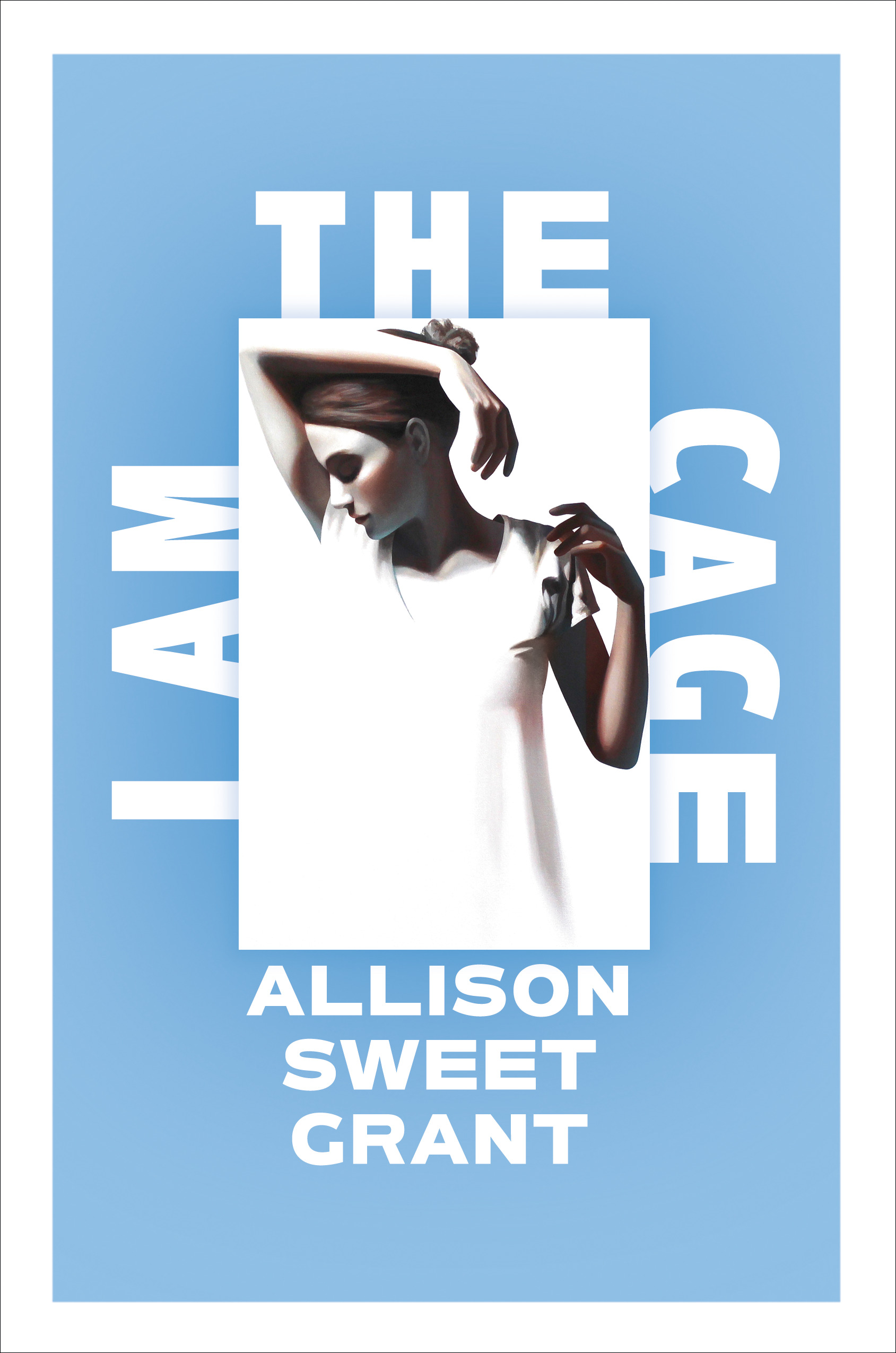
I got to thinking about this yesterday afternoon having finished the book I Am The Cage by Allison Sweet Grant that was published last week. In it, nineteen year old Elisabeth is slowly revealed to have had intense medical trauma growing up as a result of leg length discrepancy. And then I remembered other books that I’ve read and enjoyed sharing with teens with similar rare illnesses.
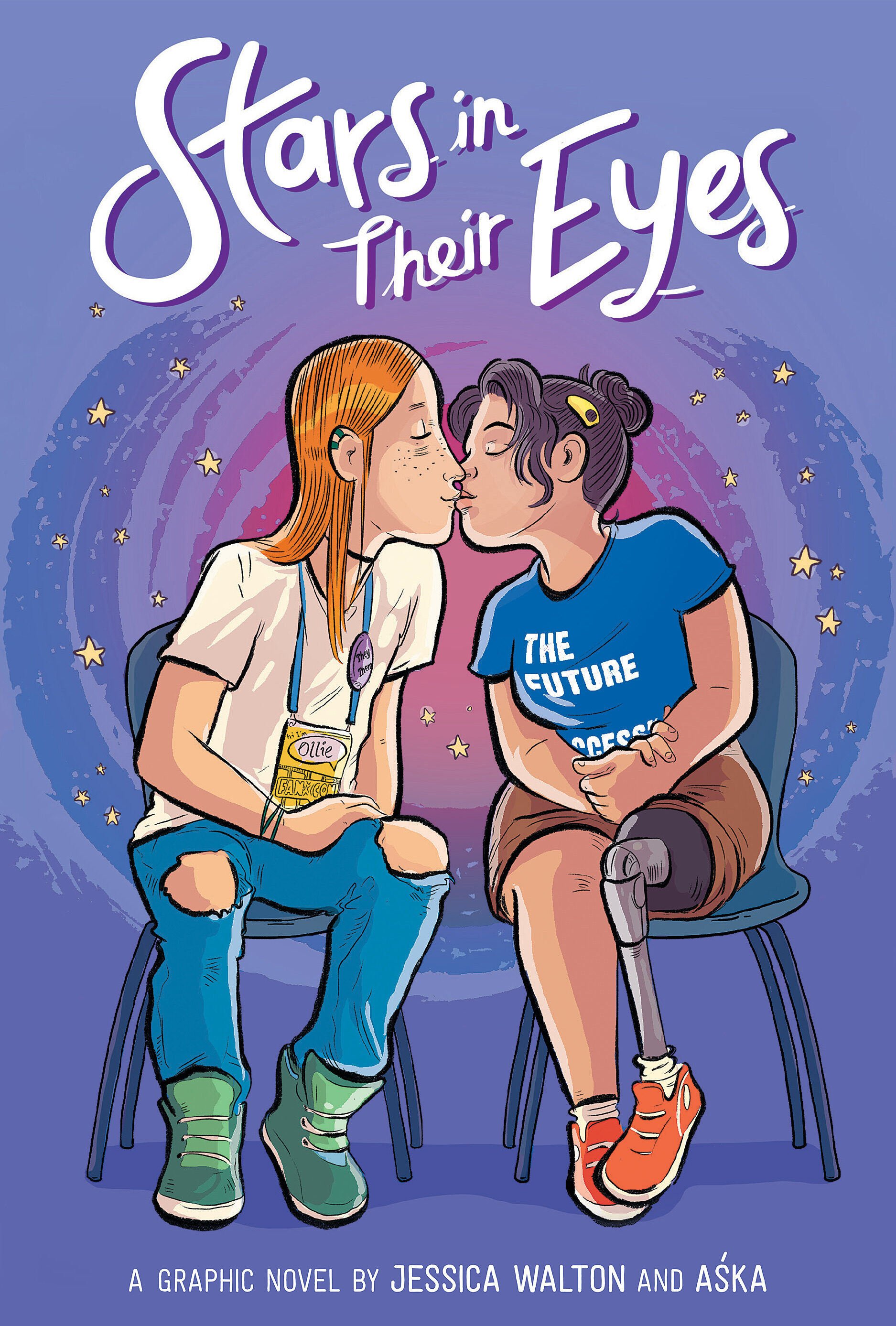
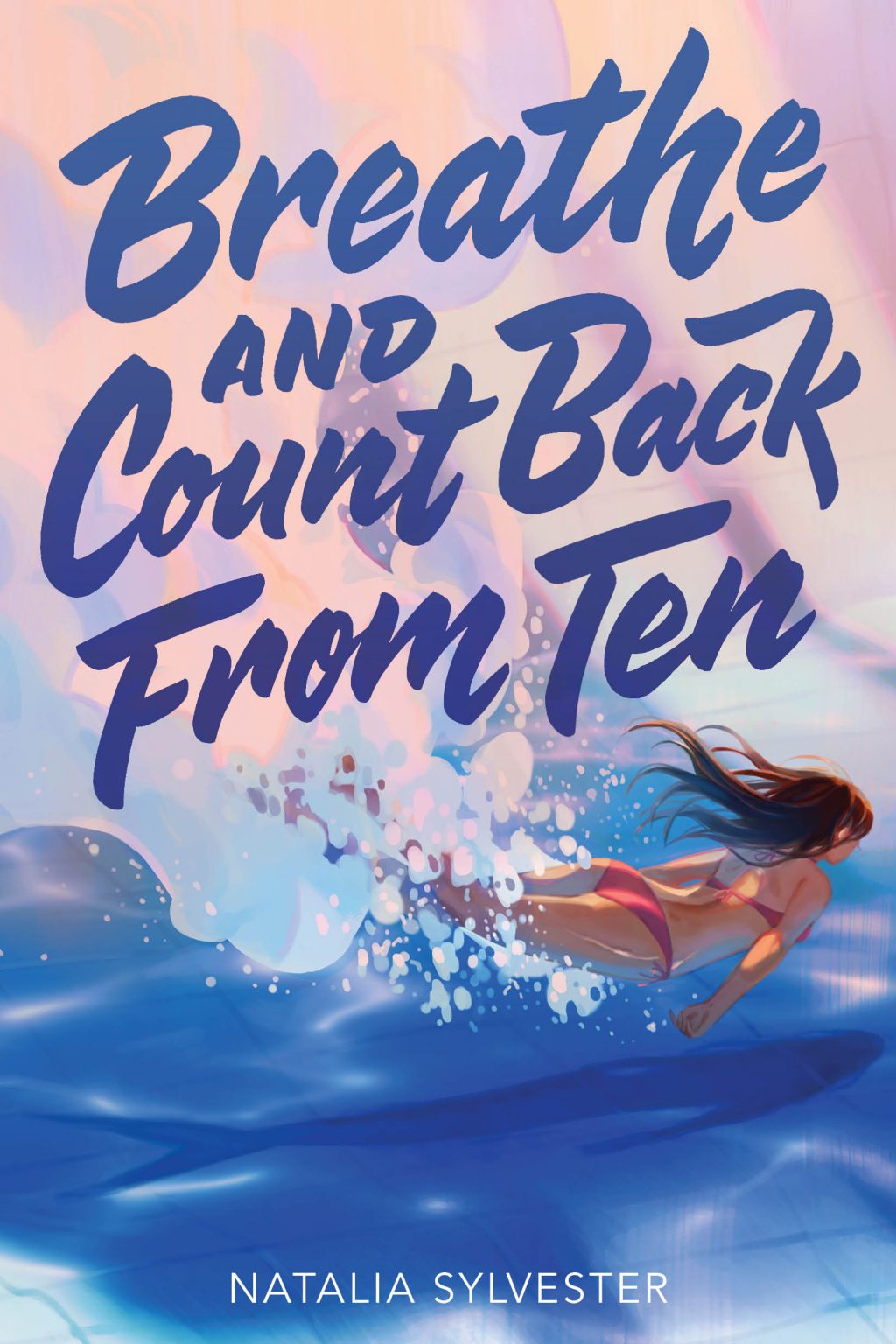
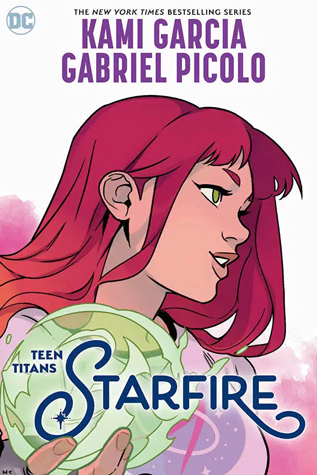
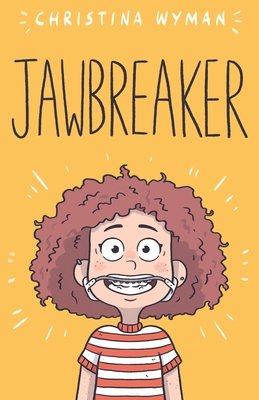
Four additional fictional stories include the graphic novel Stars In Their Eyes by Jessica Walton and Aska featuring Maisie who is an amputee. Breathe and Count Back From Ten by Natalia Sylvester whose main character Veronica has hip dysplasia. The fifth book in the Teen Titans graphic novels called Starfire includes Kori who has Ehlers Danlos Syndrome. And in Jawbreaker by Christina Wyman, Max struggles with the pain and possible surgery for her Class II malocclusion.
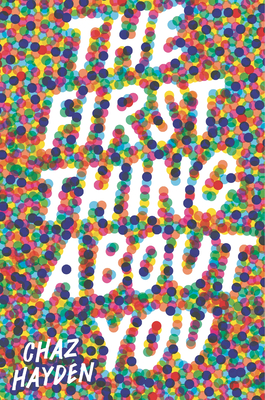
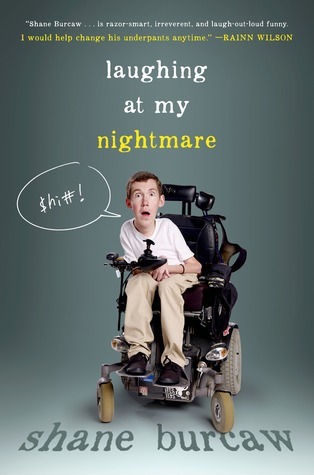
Then there are the autobiographies. As a lover of this category and whose high school library features a massive collection of amazing ones, I am always on the lookout for addition spectacular stories. And the first one, Shane Burcaw’s Laughing At My Nightmare holds a special place for me as I was able to booktalk his second book Strangers Assume My Girlfriend Is My Nurse at a Macmillan breakfast many years ago and then met both Shane and (then girlfriend, now wife) Hannah at a dinner during that conference. Burcaw has spinal muscular atrophy. And if you’d like a fictional YA title with a character who also has it, I highly recommend Chaz Hayden’s The First Thing About You.
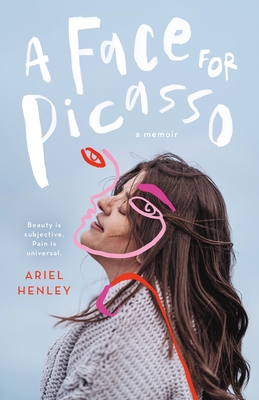
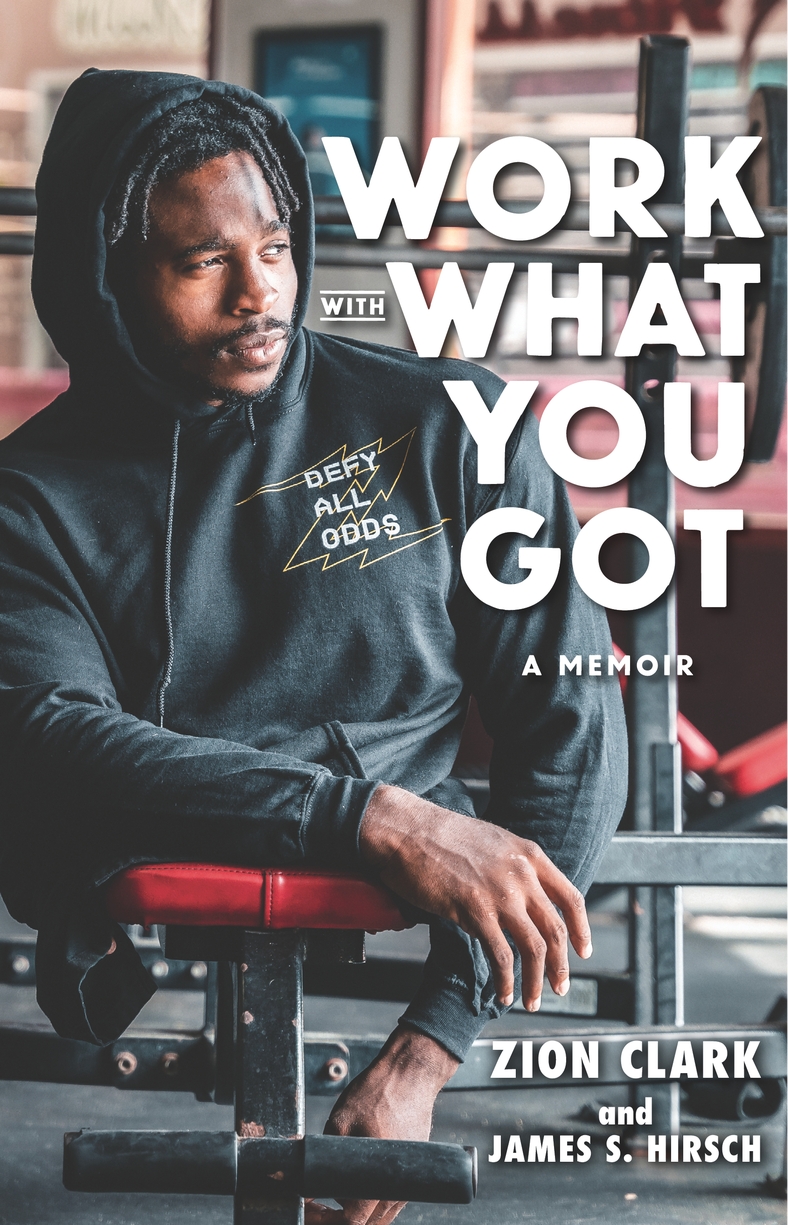
One I often recommend is Ariel Henley’s A Face For Picasso, who spent her teen years under the knife (along with her twin sister who also has it) to provide symmetry to her face having been born with Crouzon syndrome and realizing what she needed versus what she wanted. Another that I share regularly and quote from regularly is Zion Clark’s (along with James S. Hirsch) Work With What You Got, a sports autobiography which rounds out his life, and fame, thus far after being born with caudal regression syndrome.
Of course there are more, however these nine are solid stories that I hope you pick up if you haven’t already.
My boys are readers. Suffice it to say that having a librarian for a mom probably helps a little, but both have found their favorite topics and genres to have sustained their reading through middle school and high school with no signs of disengaging. And they still play plenty of video games and watch a lot of YouTube.
They regularly bring up what they’re reading in English class. Often it starts with “Mom, have you read X book?” To which I generally answer yes though for many of them it’s been a few decades or more while my husband generally hasn’t because he wasn’t in to school or books. That has changed. He’s found his favorite topics and genres and considers himself a reader. And a curious thing has happened this last year: he’s borrowed the audio versions of what our boys are reading in English class and throwing himself back to English class with the perspective of close for forty years more of living.
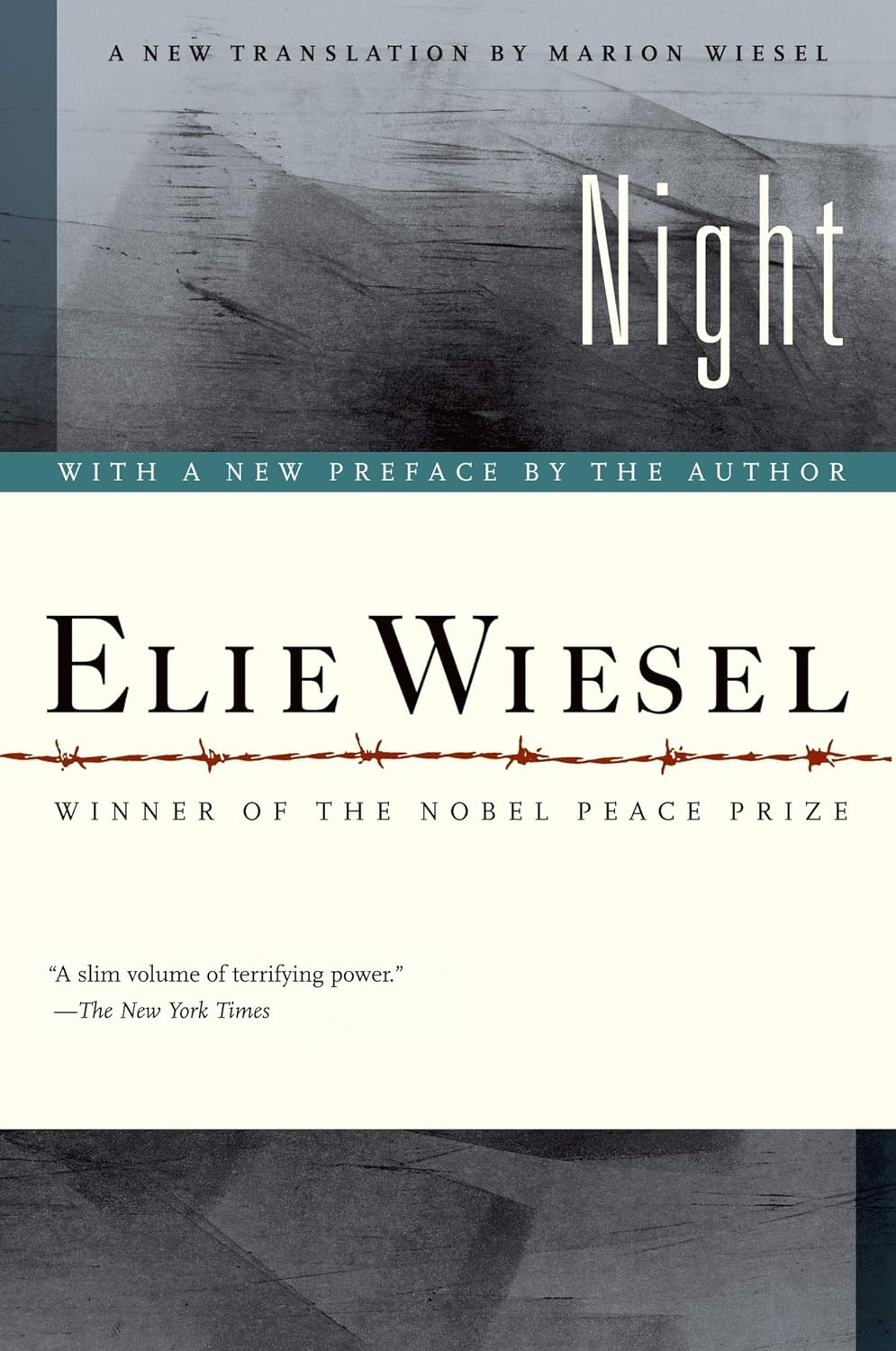
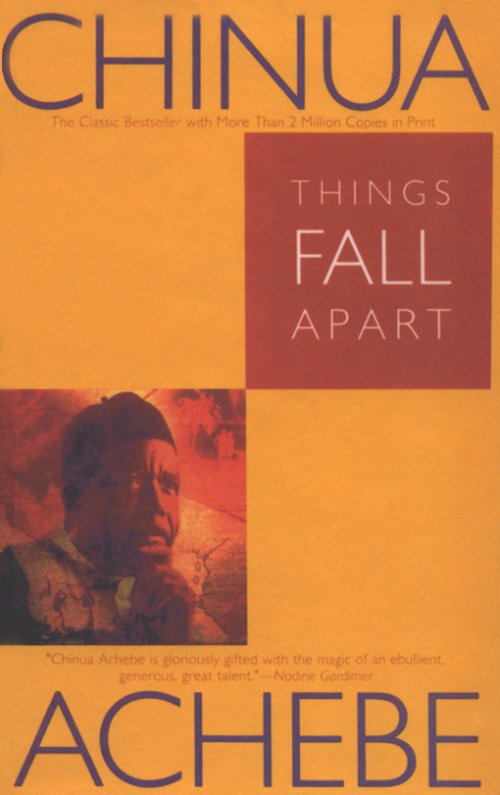
What fascinating dinner conversation we’ve had about Night by Wiesel and Things Fall Apart by Achebe.
It doesn’t matter when or how you become a reader. Just become one.
If English class in high school turned you off to reading, give books a chance again. (Tim Donahue wrote a guest essay in The New York Times specifically about the fad of only reading parts of a book rather than the whole thing).
If you don’t like to sit still, borrow an audiobook.
If you don’t know what you like, ask a librarian for a recommendation.
If you’re stuck in a reading rut, pick a new format, a new topic, a new category- we all need brain breaks.
But never stop learning through reading. And find a buddy to talk about books with. You’ll never know what perspective they’ll bring to the table as my sons realized in an animated conversation about the ending of Things Fall Apart with my husband.
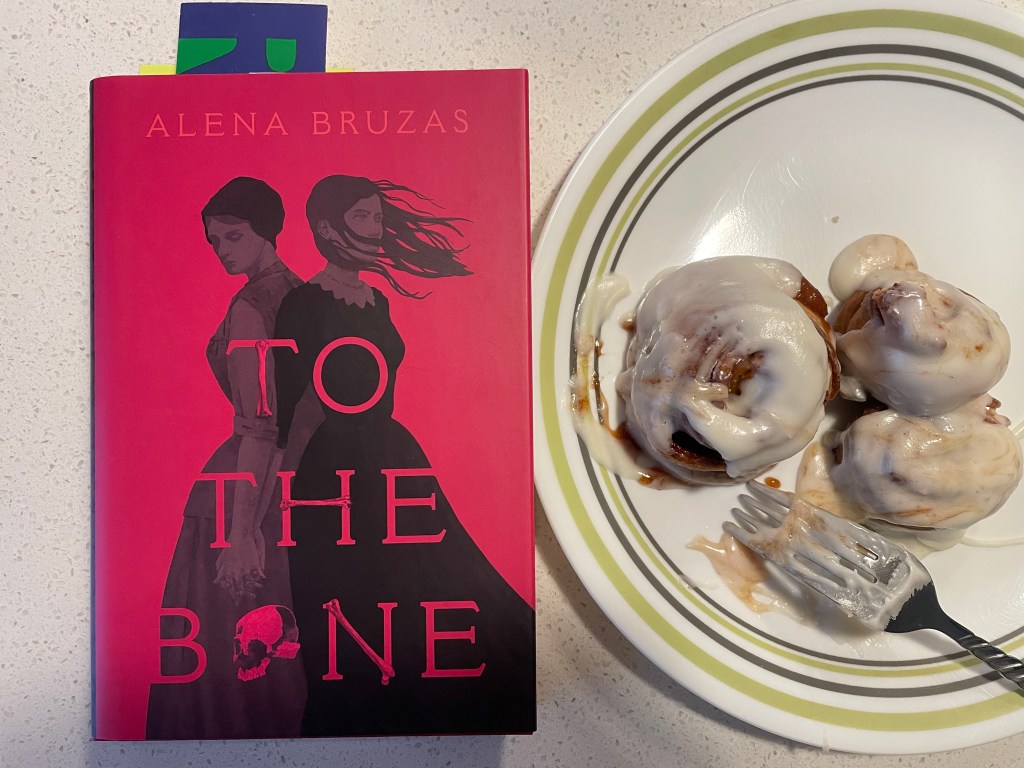
A winning combination. Breakfast and books. Lunch and books. Dinner and books. Dessert and books. Snacks and books. (Drinks and books). Books pair well with food.
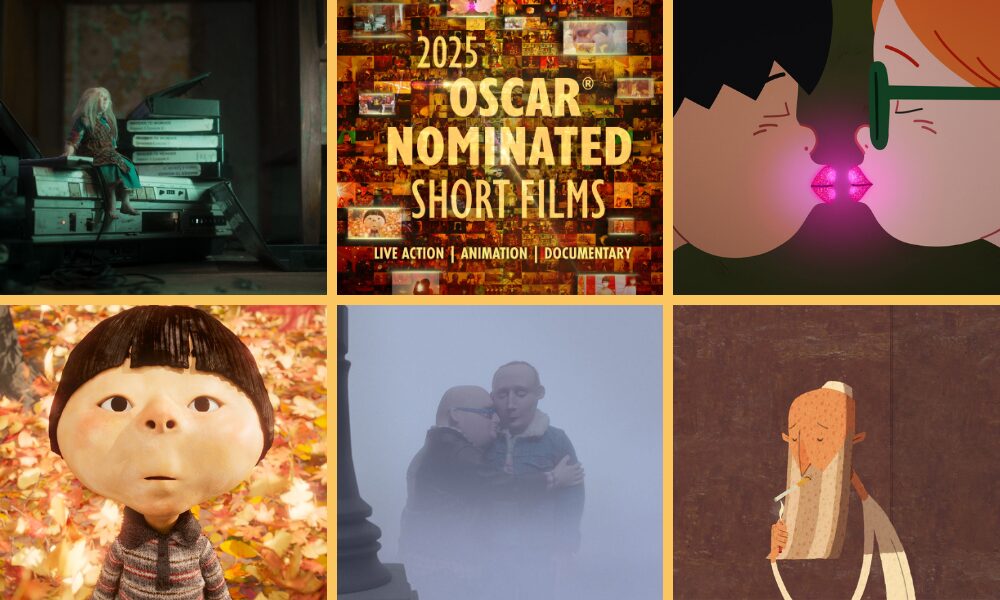
A handful of years ago, a librarian friend invited me to the movie theater to see the Oscar-nominated animated shorts. She likes weird. The shorts are generally always weird. She knew I’d probably appreciate the weird as well. And thus a tradition was born of seeing them every year.
We went the other day to see them. Yes there were some very weird ones, but we spend a lot time afterward analyzing the message, the visuals, and the storytelling in general. It got me think about short stories– short form writing that can pack a lot or so little that a reader must fill in the blanks with their own experiences to fill out the story. And that’s a magic all its own.
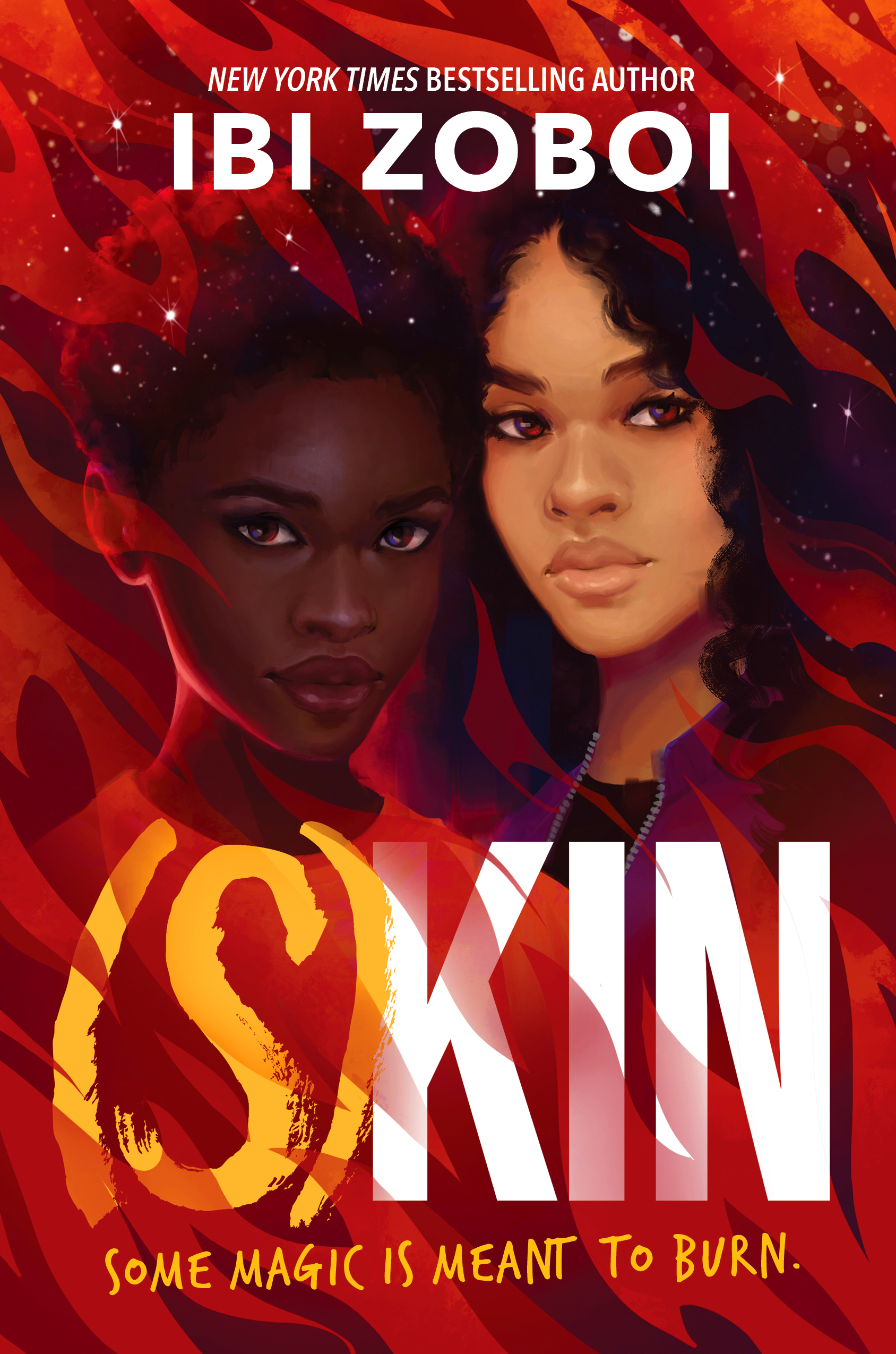
Yesterday I read Ibi Zoboi’s newest book (S)kin that came out about a week ago. She writes the story in verse and specifically as readers get to know Genevieve and Marisol, Zoboi works her magic with the format in an ingenious way. It got me thinking about how much I adore the verse novel format when it’s done right. It puts the emotion front and center because it does not rely on words alone to tell the story.
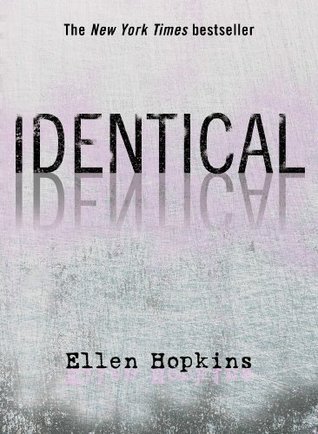
I remember when Ellen Hopkins broke onto the scene with Crank, but the verse novel that (S)kin is most similar to is Identical by Hopkins: two perspectives of the twin teen girls and as the story switches between each of them, their thoughts or words align along the center of the page. It was gold then and it’s gold now to use visual poetry to convey secondary or tertiary layers of meaning.
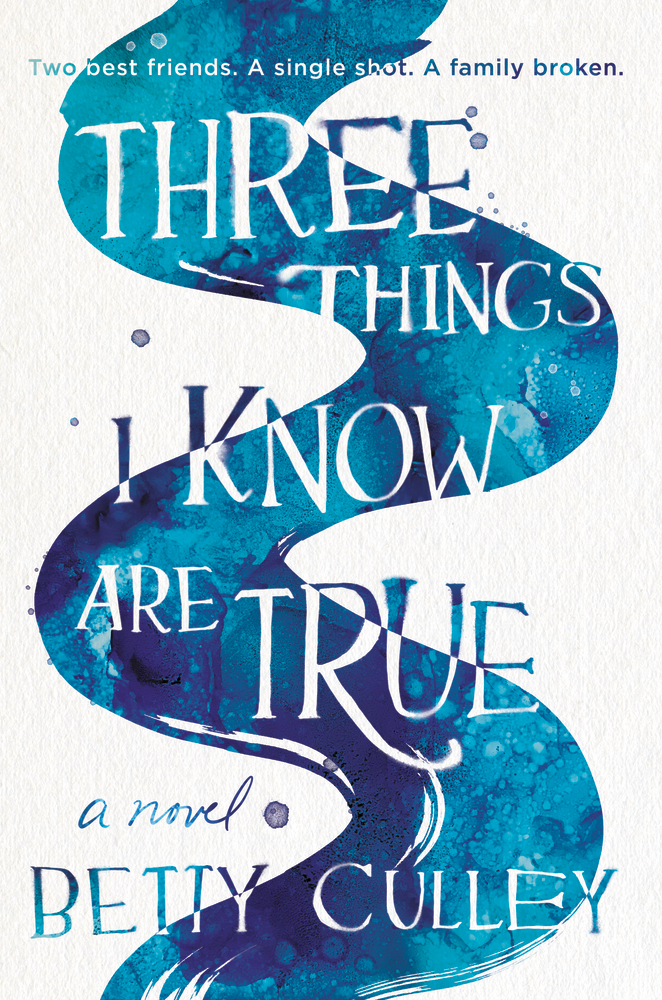
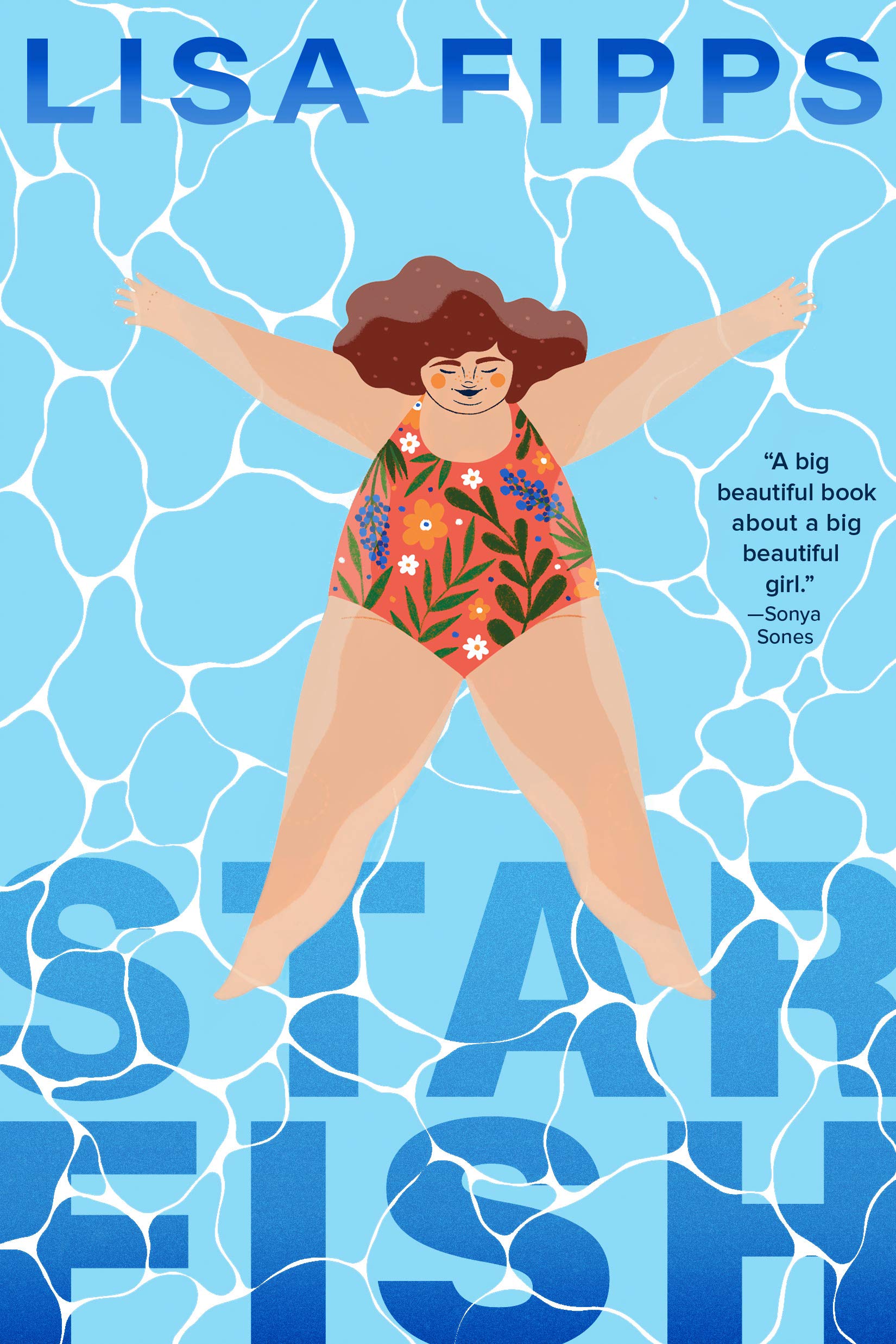
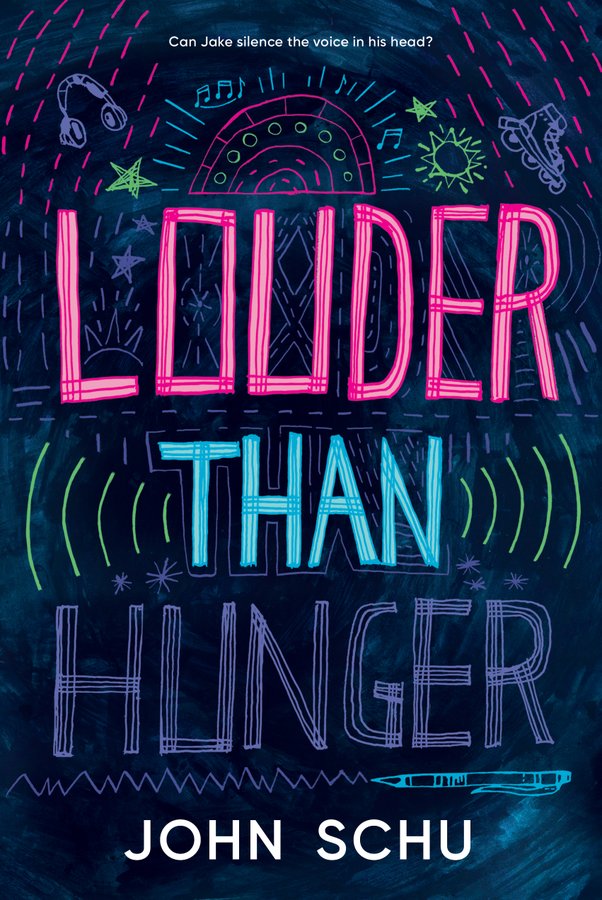
Another element of verse novels is what I mentioned earlier: emotion. In Three Things I Know Are True by Betty Culley, Starfish by Lisa Fipps, and Louder Than Hunger by Jon Schu, the characters are going through some stuff. And that’s an oversimplification: Liv’s brother shot himself in the head with a gun at a friend’s house but survived though with significant medical issues; Ellie’s self esteem is wrecked by her mother’s insistence on Ellie getting thin; and Jake (based on Schu’s own experiences) suffers the loss of his grandmother which catapults him into an eating disorder so disruptive that it requires in-patient treatment. In all three of these examples, readers empathize intimately with the character’s because there’s a thin barrier between the character and reader when there are fewer words to hide behind. Oftentimes, it’s the lack of words on a page that sucker punches the reader when it’s only one or two in a sea of blank space.
This creative form is a win. I gravitate toward verse novels in the way that teens do too. For pure emotion. It’s said that a picture is worth a thousand words, but it’s also true of a verse novel that does more with less.
These are the best conversations especially among those whose reading recommendations you trust. My sister in law is one of those people. My old neighbor was another. As a librarian, I love being asked the question. As a fellow reader, I love asking the question.
Plus, it is the perfect opening question to a stranger you want to meet.



 Readers Be Advised