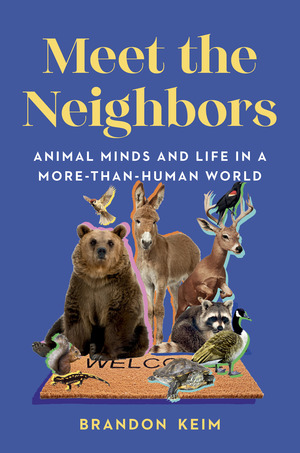
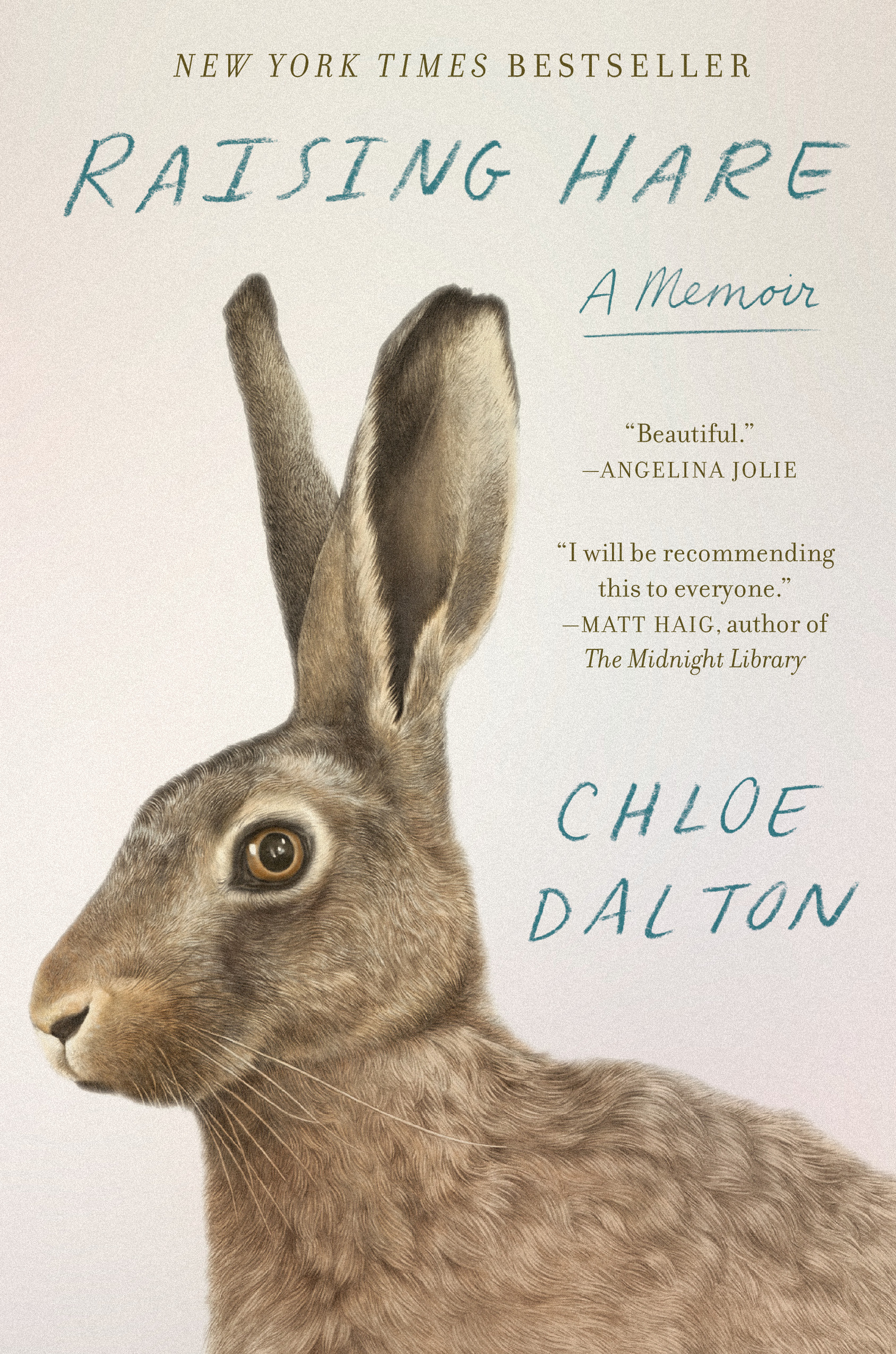
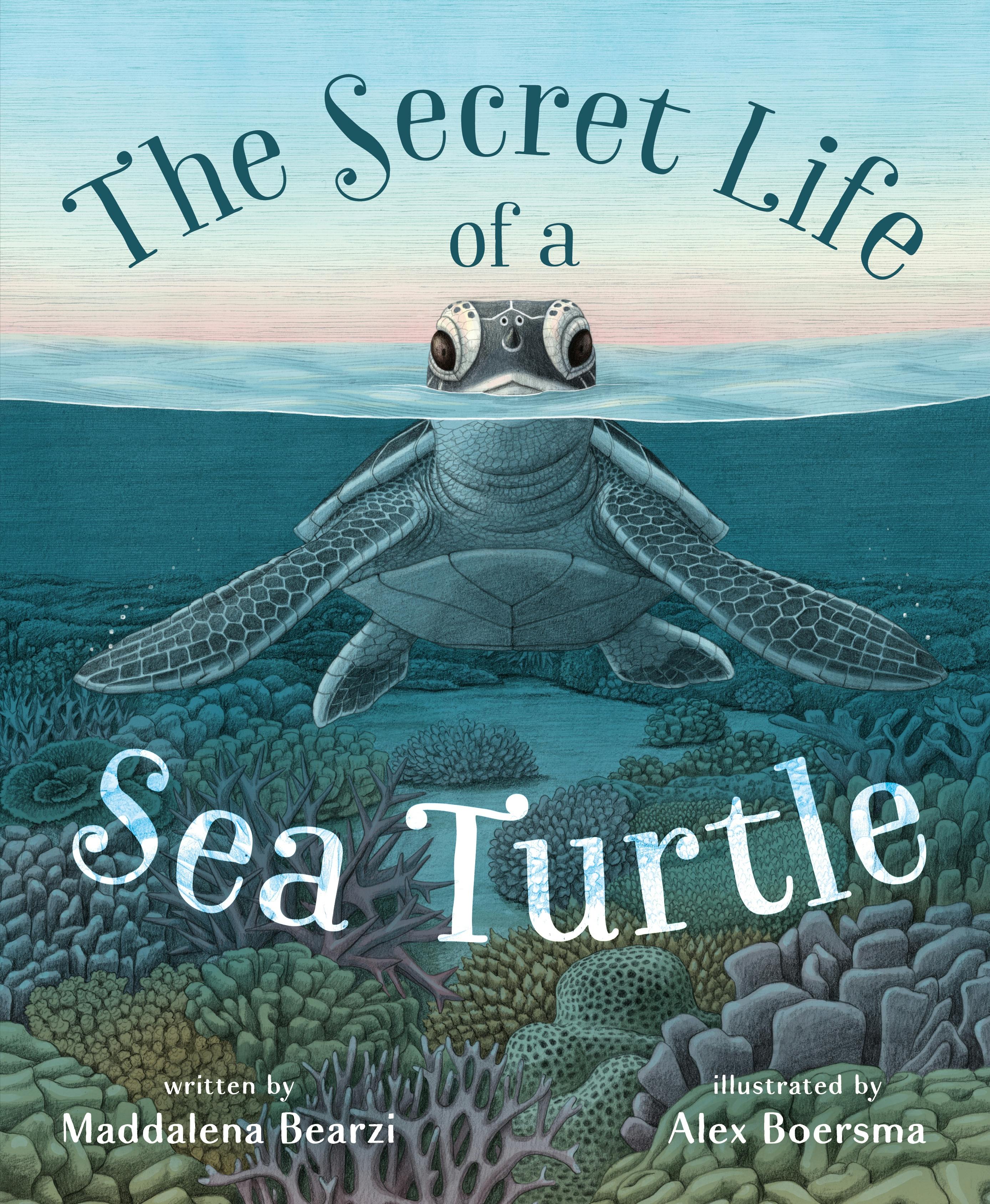
I reference often my love of books about animals. I have favorite authors like Sy Montgomery that bring the magic of animals with the science. But there are also plenty of other titles that highlight a connection or relationship with an animal that changed a person’s perspective or others that provide an overarching appreciation for animals’ contributions to the world. I wanted to share a few recent reads that highlight these exact sentiments from a nonfiction picture book about sea turtles to a hare that shifted Dalton’s worldview.
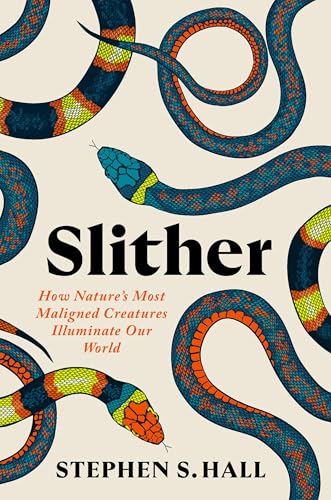
A surprising read was Hall’s Slither: How Nature’s Most Maligned Creatures Illuminate Our World. If you remember my post about our public library’s summer reading kickoff, I held a big snake around my shoulders. This was a first because I have a reasonable/unreasonable fear of them and wanted to find a way to start recognizing the beauty of the animal in a safe environment. Hall provided science and story in equal measure.
Representation matters. And in the case of books for teens in which the teen has a rare illness, it stands as a mirror or window for a reader. Now more than ever, books are being published featuring characters with autism, anxiety, and depression, all more common especially in 2025, but what about rarer illnesses such as Crouzon syndrome or Ehlers Danlos Syndrome or spinal muscular atrophy? I’m happy to report that there are stories, and fabulously written stories at that, about rare illnesses.
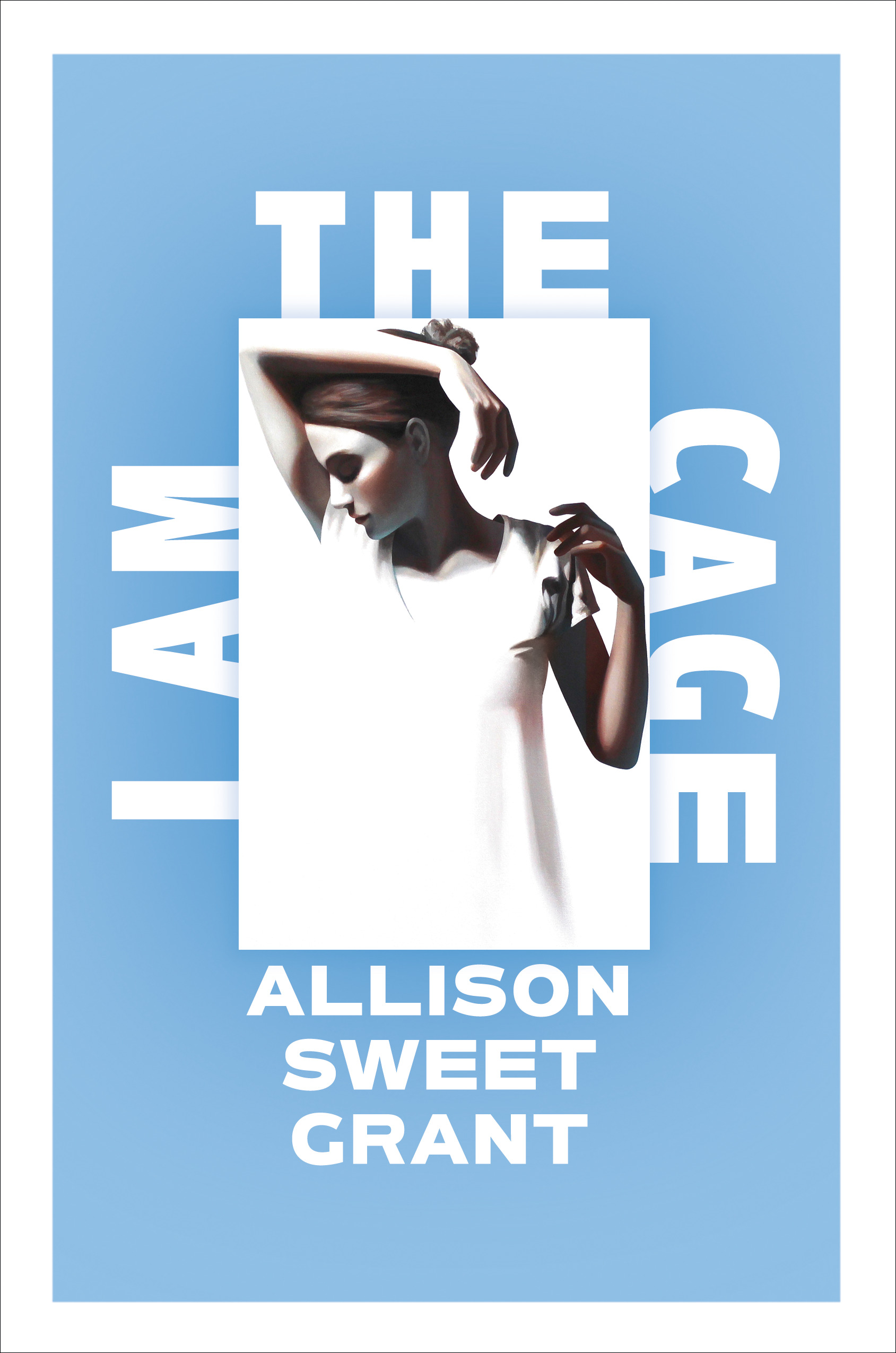
I got to thinking about this yesterday afternoon having finished the book I Am The Cage by Allison Sweet Grant that was published last week. In it, nineteen year old Elisabeth is slowly revealed to have had intense medical trauma growing up as a result of leg length discrepancy. And then I remembered other books that I’ve read and enjoyed sharing with teens with similar rare illnesses.
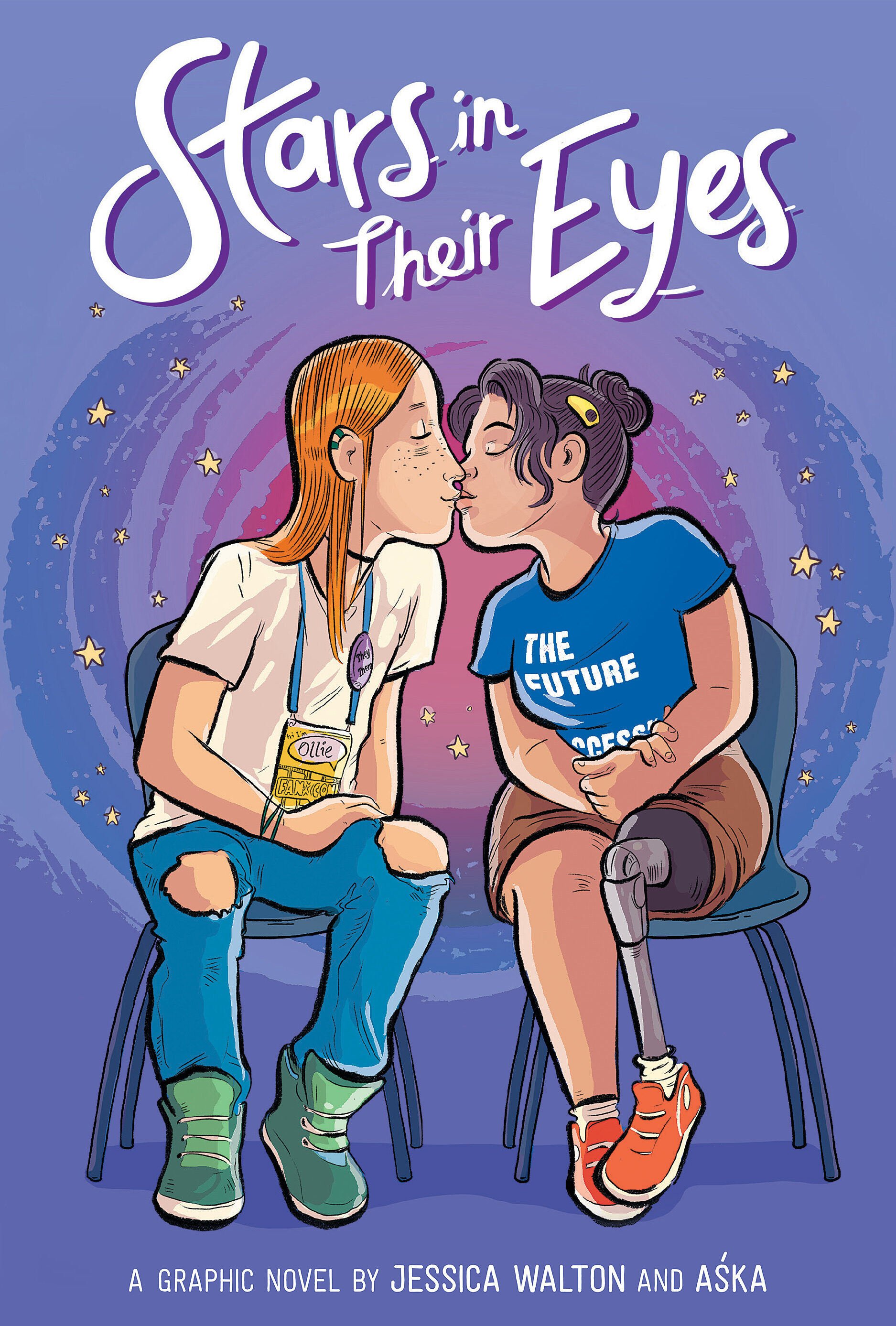
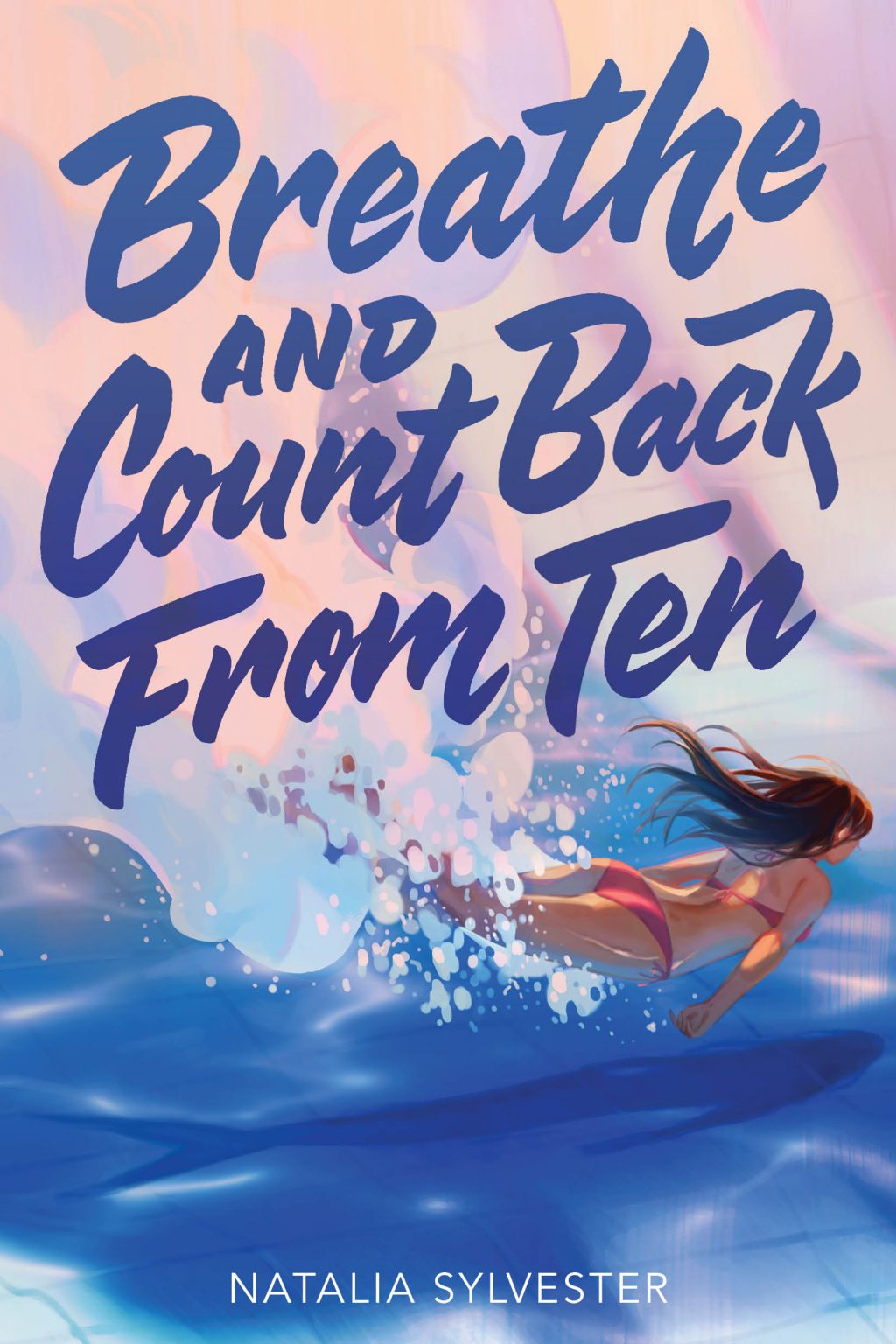
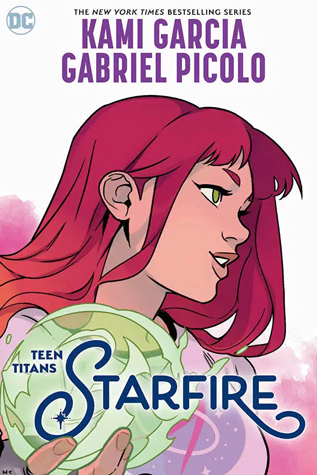
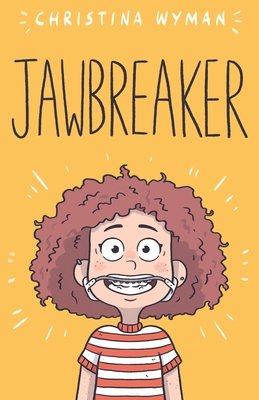
Four additional fictional stories include the graphic novel Stars In Their Eyes by Jessica Walton and Aska featuring Maisie who is an amputee. Breathe and Count Back From Ten by Natalia Sylvester whose main character Veronica has hip dysplasia. The fifth book in the Teen Titans graphic novels called Starfire includes Kori who has Ehlers Danlos Syndrome. And in Jawbreaker by Christina Wyman, Max struggles with the pain and possible surgery for her Class II malocclusion.
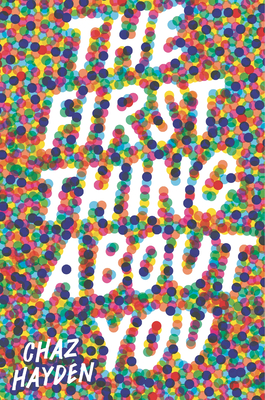
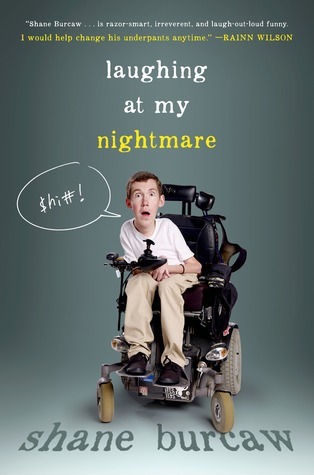
Then there are the autobiographies. As a lover of this category and whose high school library features a massive collection of amazing ones, I am always on the lookout for addition spectacular stories. And the first one, Shane Burcaw’s Laughing At My Nightmare holds a special place for me as I was able to booktalk his second book Strangers Assume My Girlfriend Is My Nurse at a Macmillan breakfast many years ago and then met both Shane and (then girlfriend, now wife) Hannah at a dinner during that conference. Burcaw has spinal muscular atrophy. And if you’d like a fictional YA title with a character who also has it, I highly recommend Chaz Hayden’s The First Thing About You.
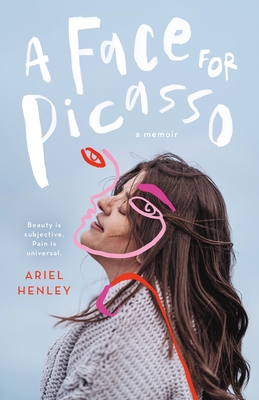
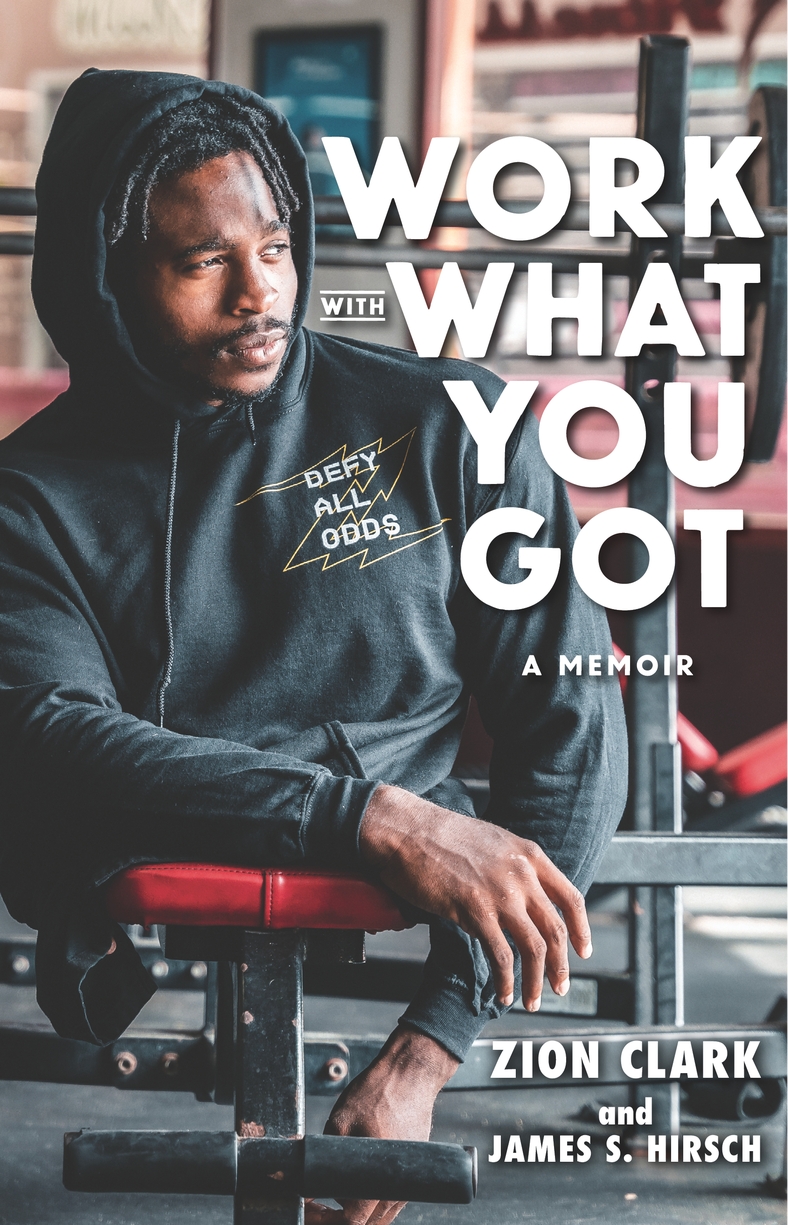
One I often recommend is Ariel Henley’s A Face For Picasso, who spent her teen years under the knife (along with her twin sister who also has it) to provide symmetry to her face having been born with Crouzon syndrome and realizing what she needed versus what she wanted. Another that I share regularly and quote from regularly is Zion Clark’s (along with James S. Hirsch) Work With What You Got, a sports autobiography which rounds out his life, and fame, thus far after being born with caudal regression syndrome.
Of course there are more, however these nine are solid stories that I hope you pick up if you haven’t already.
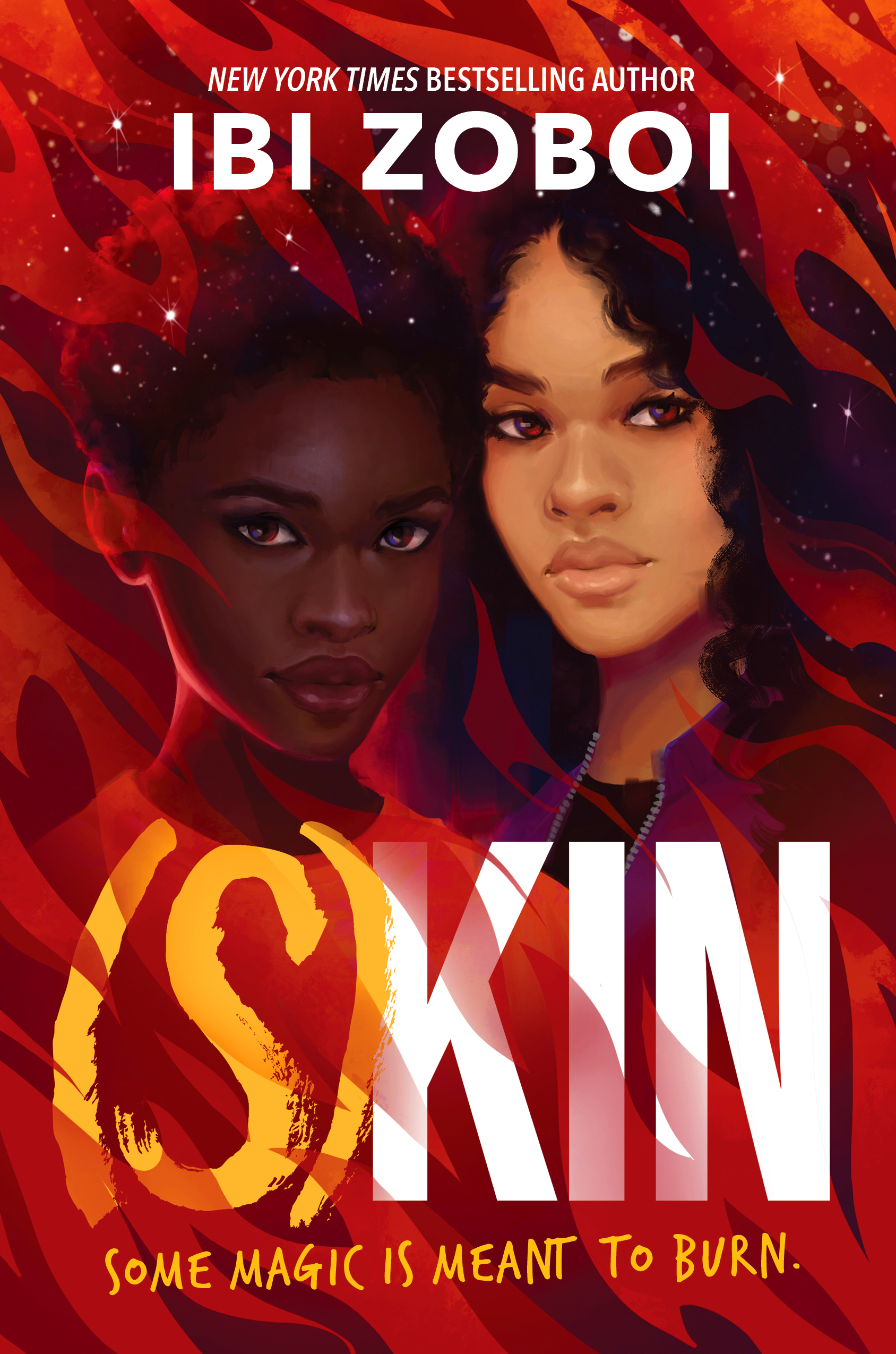
Yesterday I read Ibi Zoboi’s newest book (S)kin that came out about a week ago. She writes the story in verse and specifically as readers get to know Genevieve and Marisol, Zoboi works her magic with the format in an ingenious way. It got me thinking about how much I adore the verse novel format when it’s done right. It puts the emotion front and center because it does not rely on words alone to tell the story.
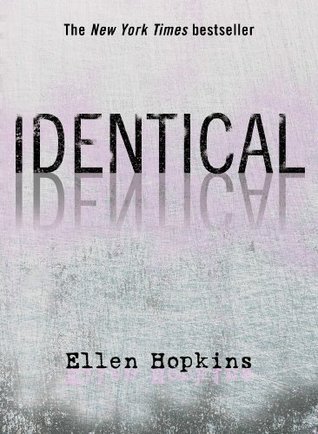
I remember when Ellen Hopkins broke onto the scene with Crank, but the verse novel that (S)kin is most similar to is Identical by Hopkins: two perspectives of the twin teen girls and as the story switches between each of them, their thoughts or words align along the center of the page. It was gold then and it’s gold now to use visual poetry to convey secondary or tertiary layers of meaning.
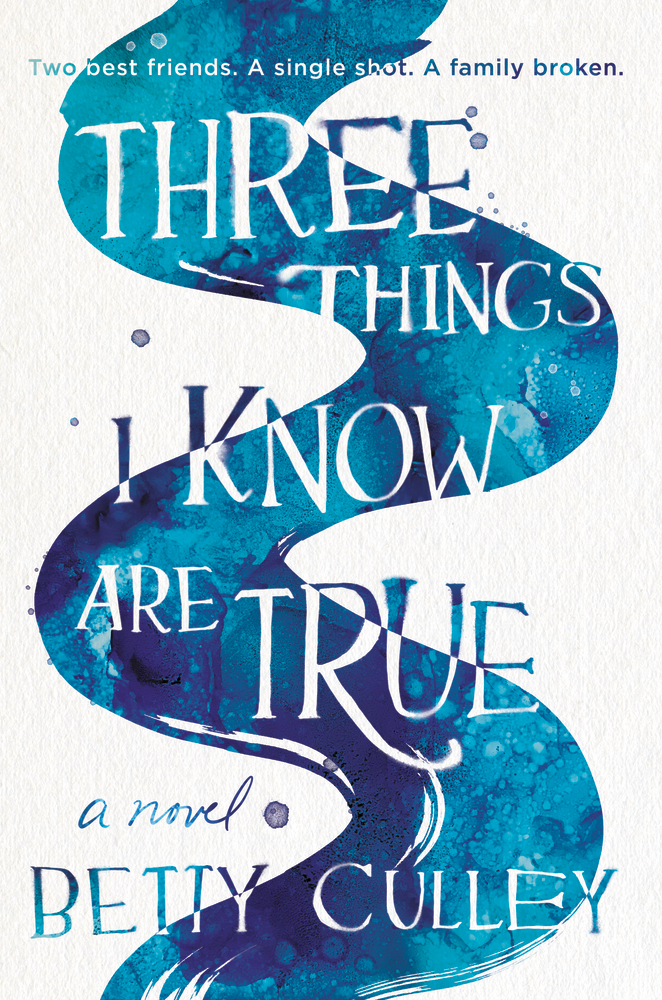
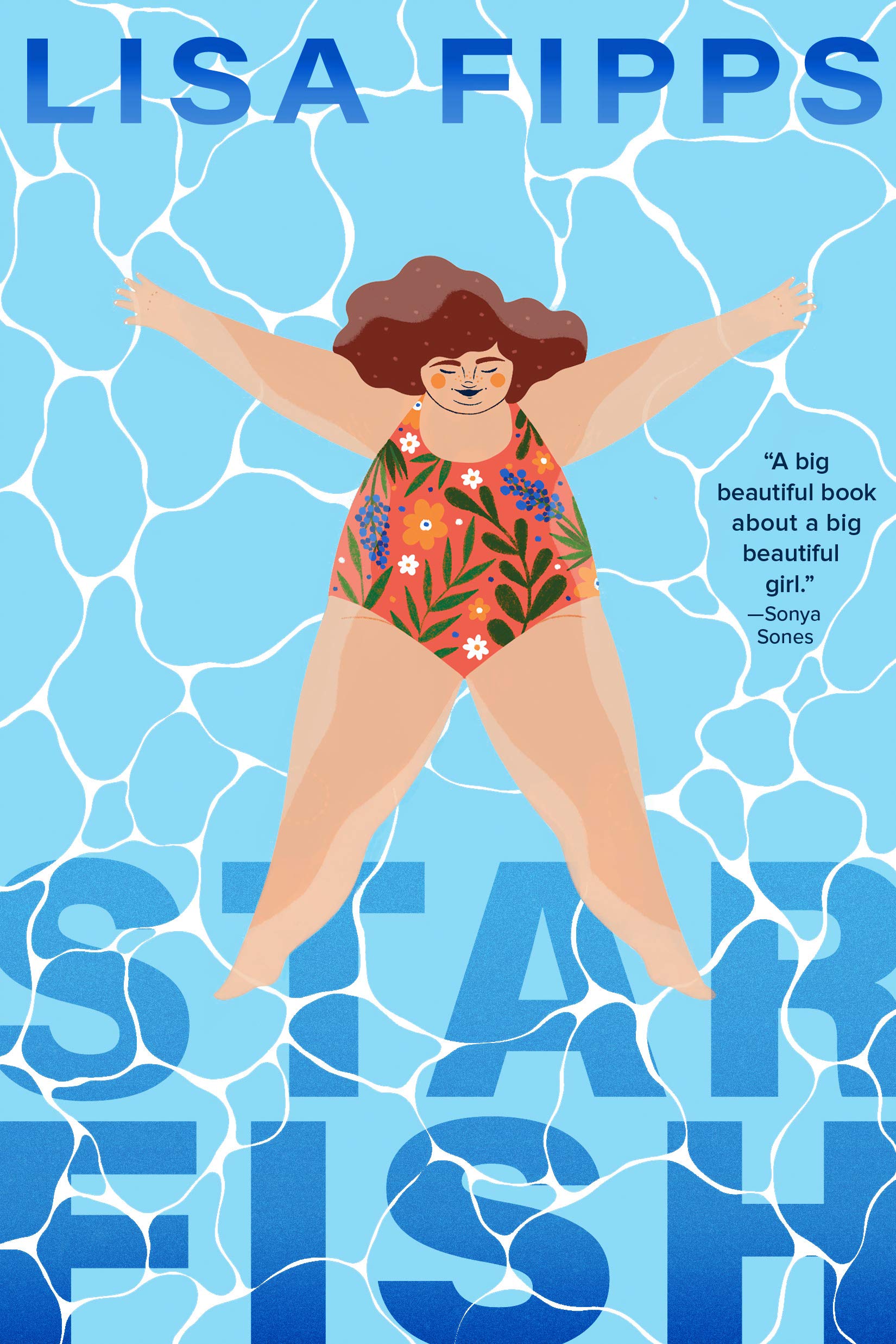
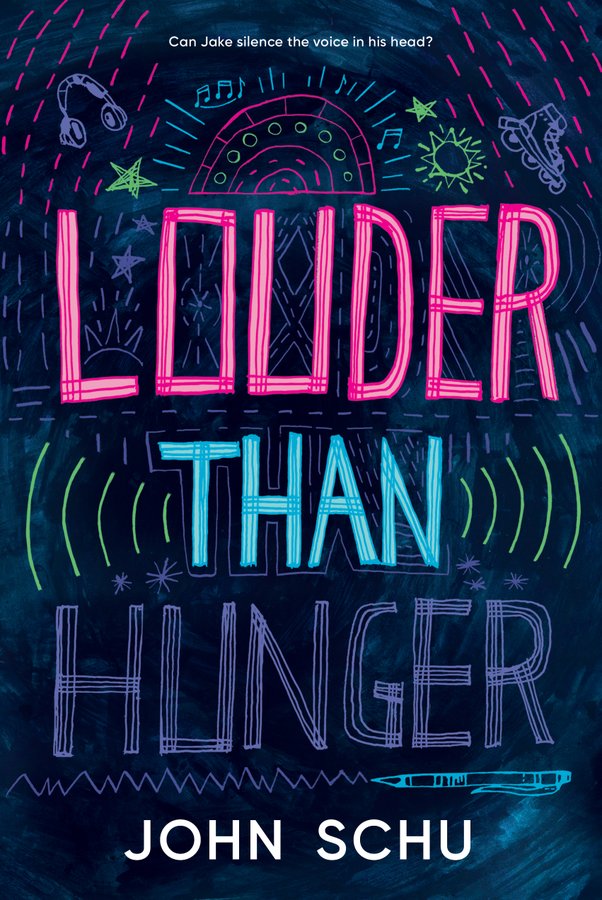
Another element of verse novels is what I mentioned earlier: emotion. In Three Things I Know Are True by Betty Culley, Starfish by Lisa Fipps, and Louder Than Hunger by Jon Schu, the characters are going through some stuff. And that’s an oversimplification: Liv’s brother shot himself in the head with a gun at a friend’s house but survived though with significant medical issues; Ellie’s self esteem is wrecked by her mother’s insistence on Ellie getting thin; and Jake (based on Schu’s own experiences) suffers the loss of his grandmother which catapults him into an eating disorder so disruptive that it requires in-patient treatment. In all three of these examples, readers empathize intimately with the character’s because there’s a thin barrier between the character and reader when there are fewer words to hide behind. Oftentimes, it’s the lack of words on a page that sucker punches the reader when it’s only one or two in a sea of blank space.
This creative form is a win. I gravitate toward verse novels in the way that teens do too. For pure emotion. It’s said that a picture is worth a thousand words, but it’s also true of a verse novel that does more with less.
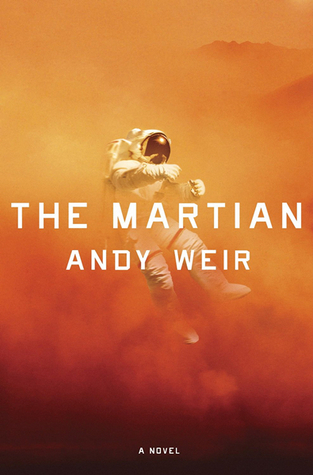
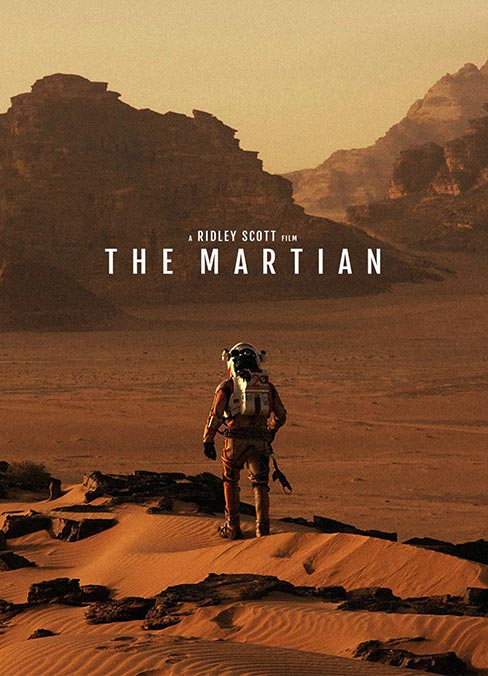
Yesterday I spent the first morning of winter break donating platelets, which if you’d done it, means about 2 1/2 hours sitting with both arms immobile. I can’t read a book and while I could potentially listen to an audiobook, I’d just be staring around the room, so I took the opportunity to watch a movie since they provide you with this entertainment. I was prepared to watch a movie I’d been wanting to watch on one streaming service but it wasn’t working so I was on another and saw The Martian available. I had been surprised by my love for the book. I had borrowed it digitally a few years back and was prepared to skim read the science fiction story because it’s not usually my jam. But I was sucked in and ignored other responsibilities one summer day to finish it because I loved Mark Watney’s voice. Done. I’ll watch the movie adaptation.
I’m usually suspicious of movie adaptations but have followed Angie Thomas’ tweet from years ago when the adaptation of her book was coming out and she was inundated with messages about it. She likened a book versus the movie as fraternal twins: they share the same DNA however they are different entities. As the mom of fraternal twins and a bookworm rather than a movie buff, it spoke to me on multiple levels.
Eventually I end up watching most movies that have been adapted but I don’t want a lot of movies in general (I prefer documentaries). And just like the book, I was wowed by the movie. Damon is a fantastic actor and the scenes, dark humor, and immediacy of his situation were wonderfully evocative in the movie.
There have been a few others that I’ve enjoyed similarly: Kristen Stewart’s awkwardness as Melinda in Speak by Laurie Halse Anderson matched. The adorableness of the music and characters in To All The Boys I’ve Loved Before by Jenny Han spoke to me (more) in the movie version than the books. Dumplin’ by Julie Murphy was brought to life with all the confidence of Dumplin herself, Danielle Macdonald.
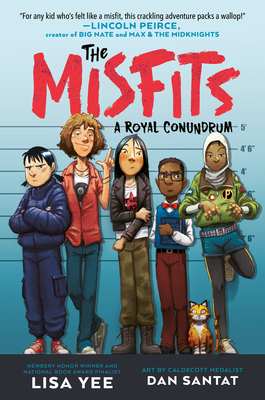
Last week I recommended the entertaining first book in The Misfits series The Royal Conundrum written by Lisa Yee and illustrated by Dan Santat to a girl who didn’t really know what she was looking for. I told her that a fun adventure would await and if it sounded good, then dive in.
She returned today saying she wanted something else. I’m not even sure she cracked it open. As a mood reader myself, I assumed that the good time romp that The Royal Conundrum offered her last week when we talked wasn’t what she was looking for now. We chatted for a few minutes. I showed her a new display of books and talked about a few based on format and topic and told her to roam and see what stuck out.
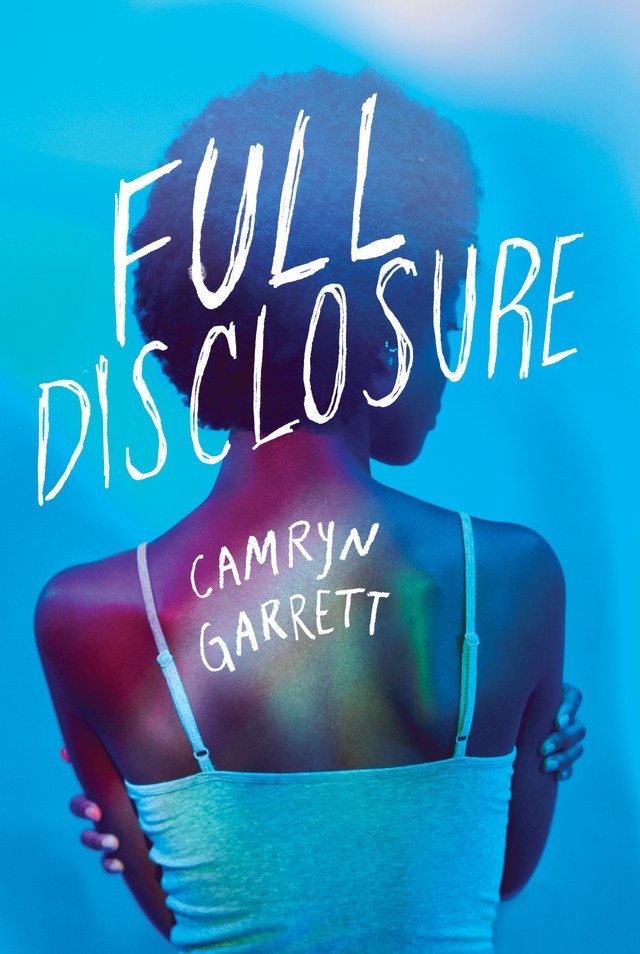
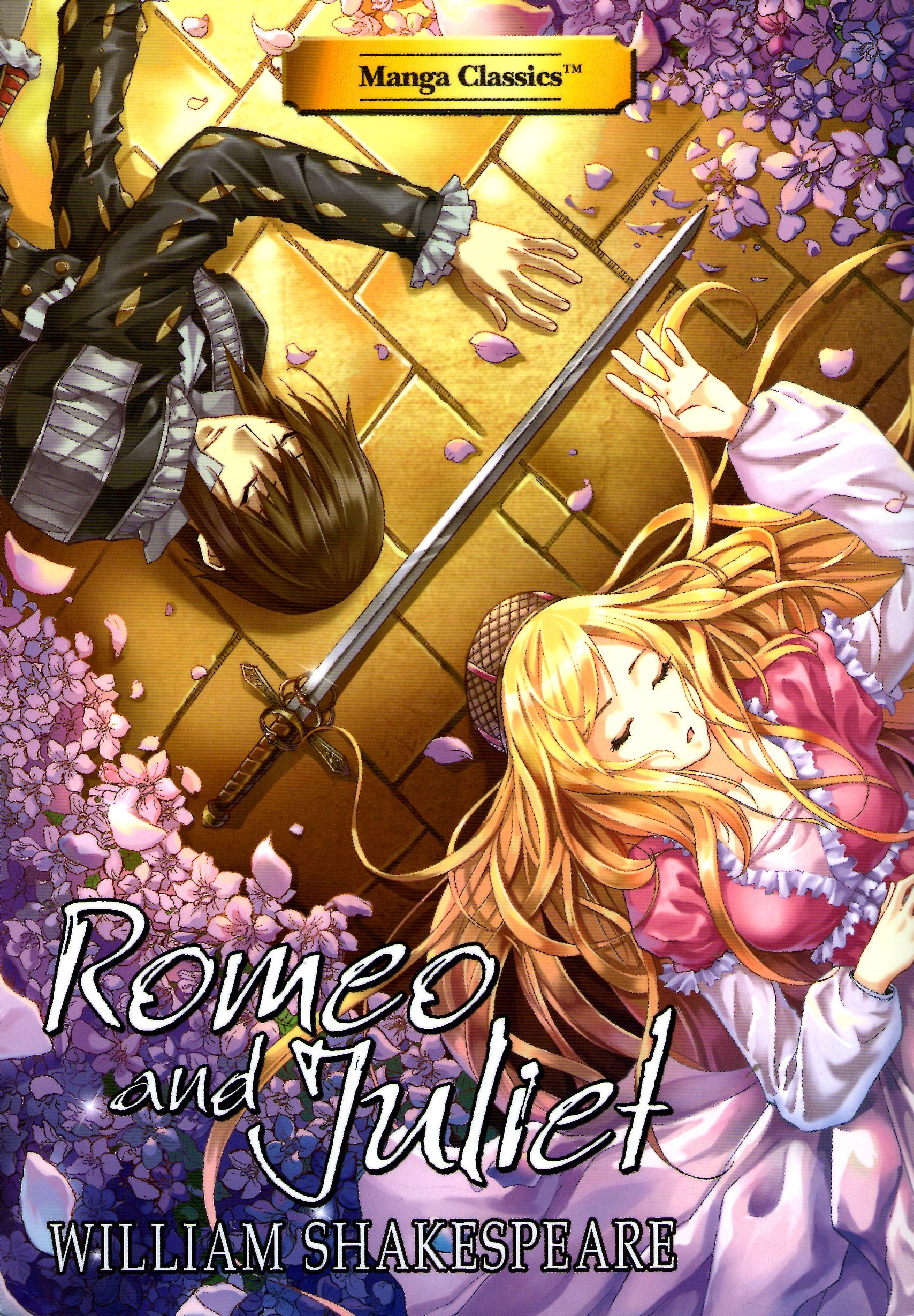
Ten minutes later she came up to the desk with Full Disclosure by Camryn Garrett that I had talked about from our display and the Manga Classic edition of Romeo and Juliet by William Shakespeare that was in a wildly different location than the other. Both a decidedly different mood than the original. We chatted during checkout and she grabbed a few bookmarks content with her choices.
I want to celebrate her self discovery. Her agency in choosing what is right for her at the moment. It wasn’t an assignment. It wasn’t forced. She just wanted to read a good book and meandered through the library without me trailing behind. We need to give kids the space to make their decisions with confidence… or maybe even sheer randomness. Either way, I’m glad she feels at home in the library to return and borrow as often as she needs.
I had mentioned in my Love: YMAs post a few of my favorite award winners and honorees including John the Skeleton. It’s a quirky book– in part because it’s a translation? Maybe. But also because it’s odd to write about a “retired” science classroom skeleton going to live with a set of grandparents. It got me thinking about how much I enjoy a quirky book– on my Goodreads shelf, they’re called “offbeat”. To me, it constitutes a book that is unlike anything written in topic, style, mood, tone, plot, or characterization. What might be quirky to me, might not be quirky to you, so I’ll let you decide after I highlight five.
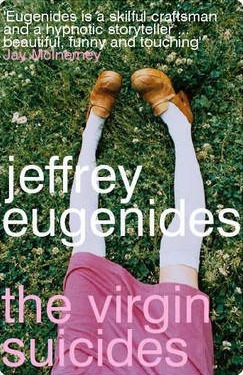
Jeffrey Eugenides’ The Virgin Suicides remains in my top five books of all time. I recently reread it and realized just how much I adore the narration of the Lisbon girls’ demise in their house from the vantage point of neighborhood boys. This is in addition to the fact that all of the girls commit suicide by the end of the story and thus lending itself to the melancholy mood that is so direct in so few pages.
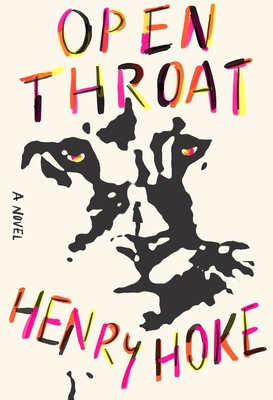
Henry Hoke’s Open Throat is another vantage point that’s wholly puzzling– a mountain lion in the hills of Hollywood. Yup. Making scathing work of judging humankind.
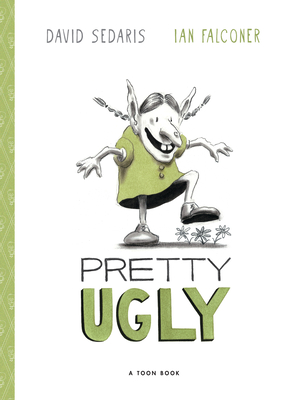
David Sedaris wrote and Ian Falconer illustrated Pretty Ugly, a picture book with the goofiest and sweetest twist at the end. The style, the character, the entire premise is quirky but oh so lovely by the time you close the book.
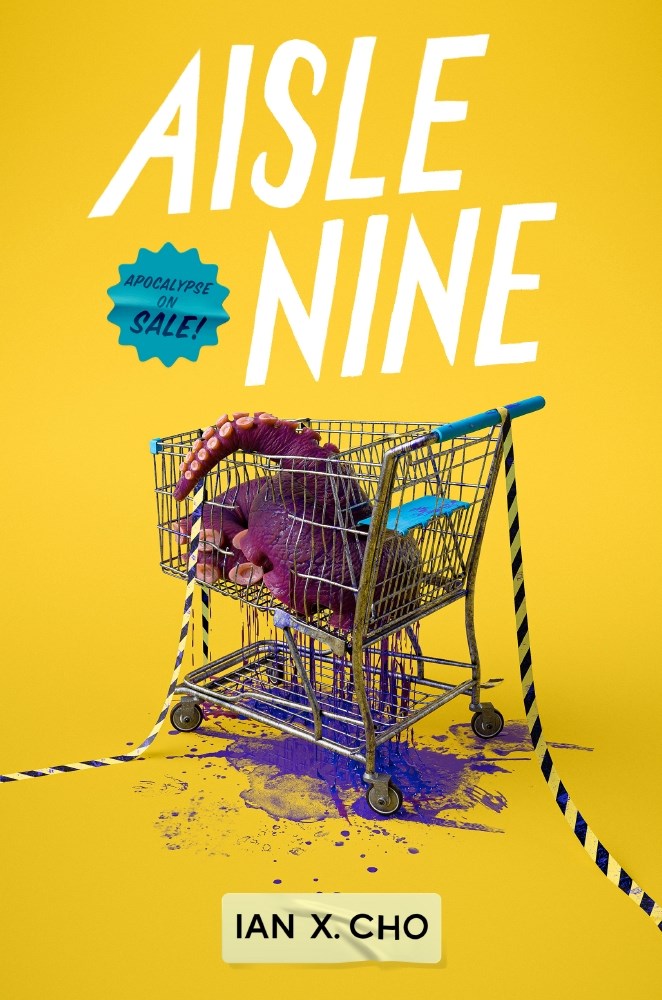
Ian X. Cho’s Aisle Nine made it into the top five finalists for the Morris Award this year. I’ve never read anything with as much zest and disdain for life than Jasper and the alien creature that lives in his apartment with him while he works a dead end job as a supermarket that’s a portal from hell. I couldn’t help but make a puzzled face through most of it with a little Mona Lisa smile.
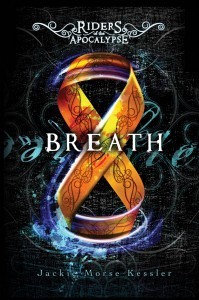
Jackie Morse Kessler’s final book in her Riders of the Apocalypse series called Breath brought a unique approach to the series in which a contemporary teen embodied a horseman as a way to understand an issue they were faced with.
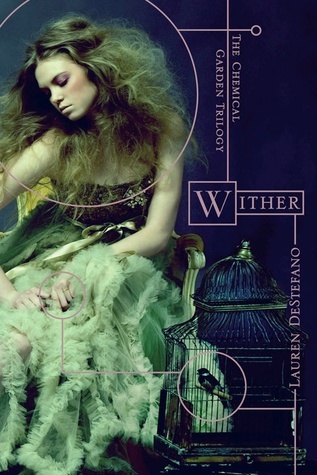
Lauren Destefano’s Wither was the first in a Chemical Garden trilogy that I got in to. The premise was a medical dystopia with intense characters in an unflattering situation that was creepy and got creepier as the trilogy moved forward.
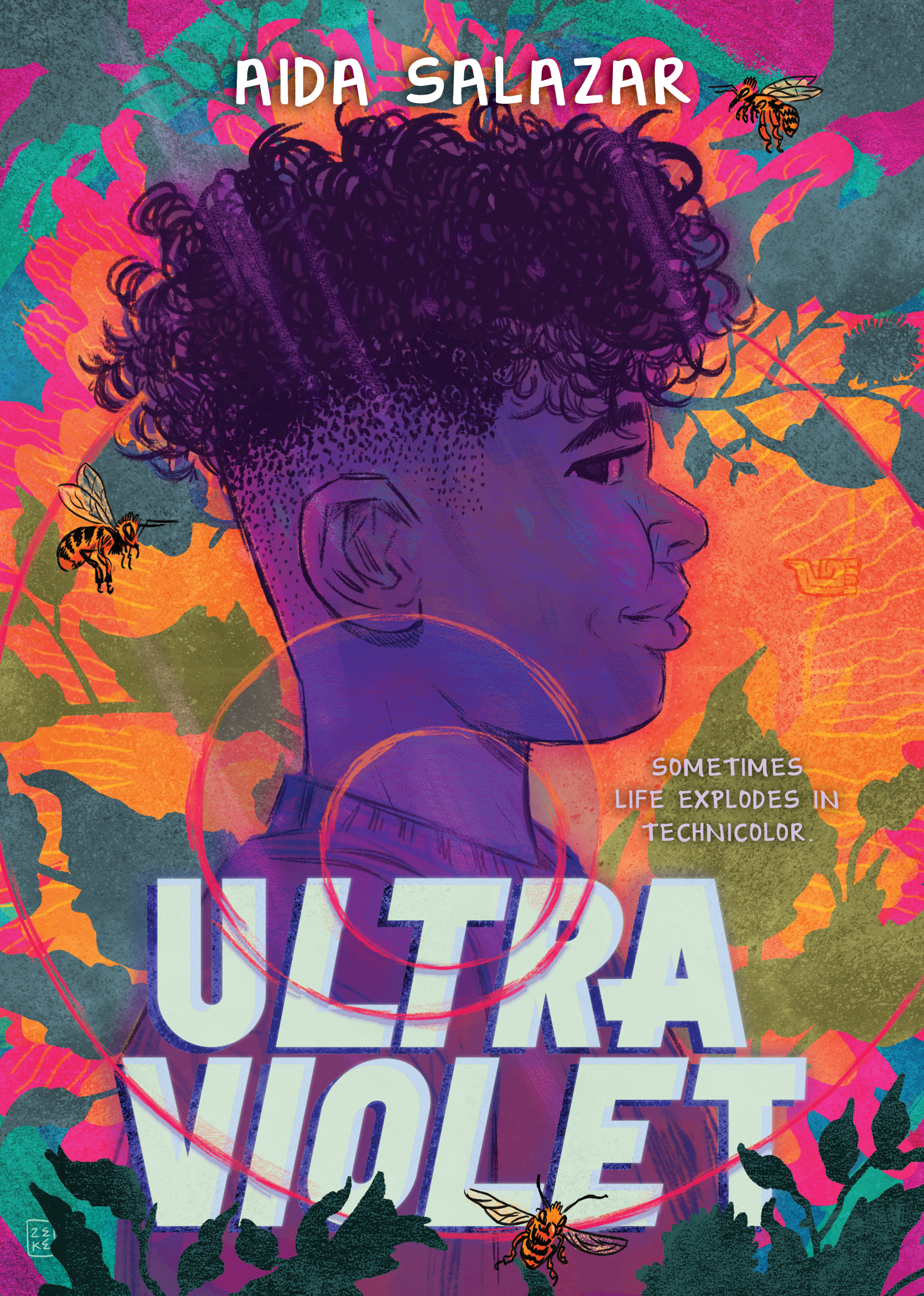
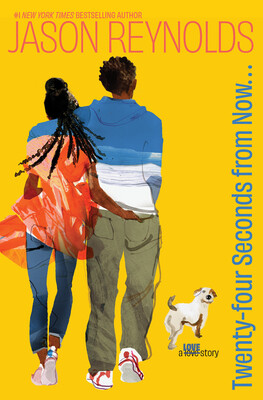
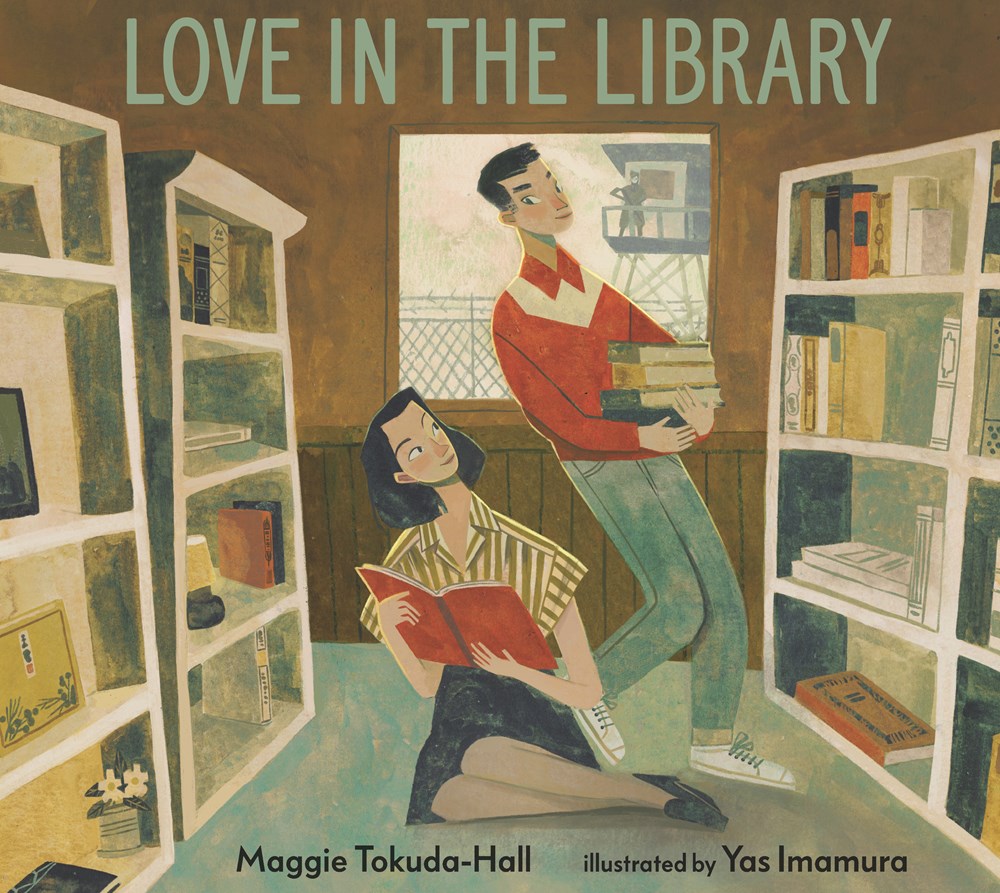
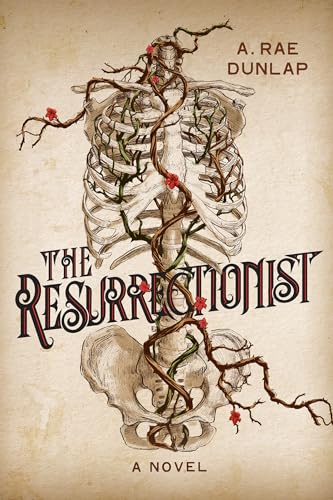
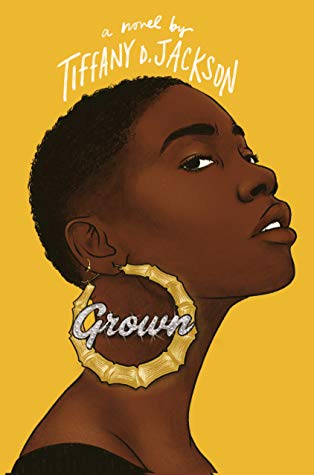
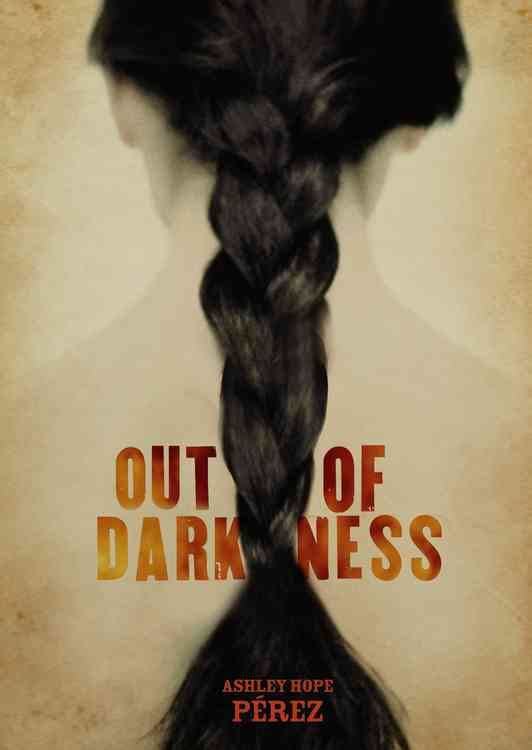
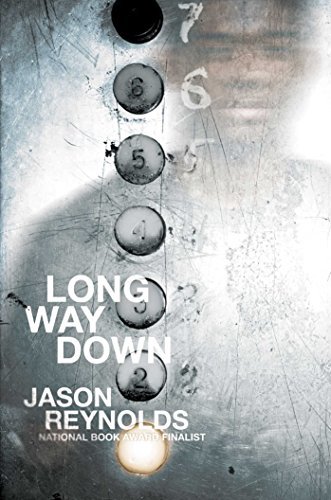
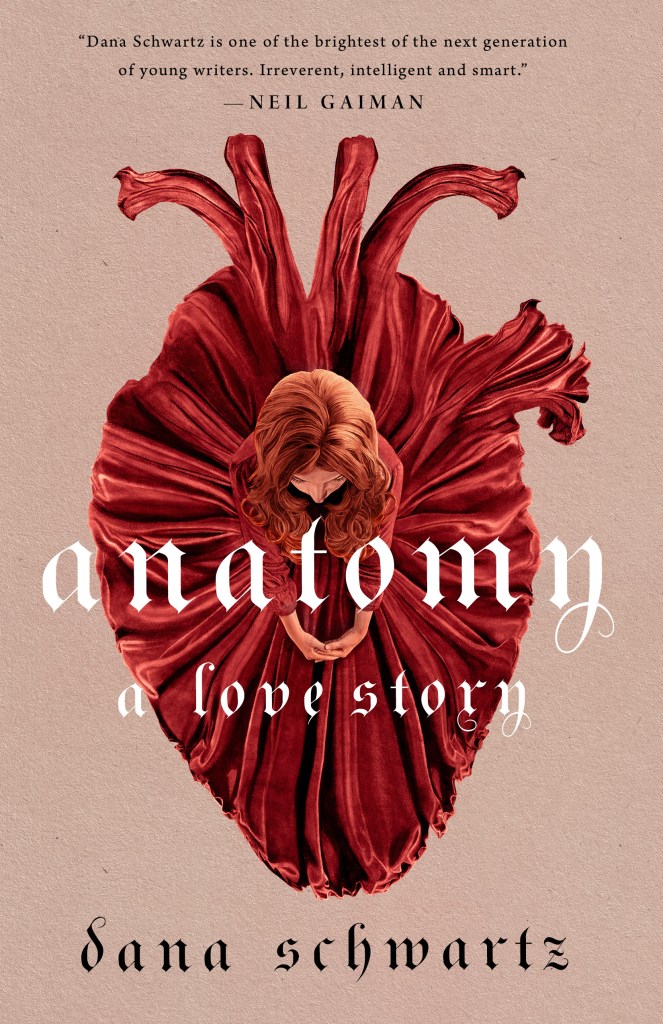
Love it or hate it, we’re a visual culture. And we do judge books by their covers! I can’t help but stare at evocative book covers. Do you have a favorite? Here are a few of mine:
Dunlap’s debut The Resurrectionist was a recent recommended read and I couldn’t have been more in love with the morbid cover.
When I’m doing readers advisory with my high schoolers, I lead with the breathtaking beauty of this cover of Grown by Tiffany D. Jackson (the recent winner of the Margaret A. Edwards award at the Youth Media Awards).
I spent too much time being eviscerated by Ashley Hope Perez’s Out of Darkness and telling everyone I knew to read it before I bought it so I could own it and stare at a cover that in it’s simplicity summarizes the complexity of human existence and sends shivers down my spine every time I think about Naomi.
Were my eyes playing tricks on me? I didn’t really see this cover until days after I finished it and was staring at it again. Genius connection to the story in Jason Reynolds’ Long Way Down.
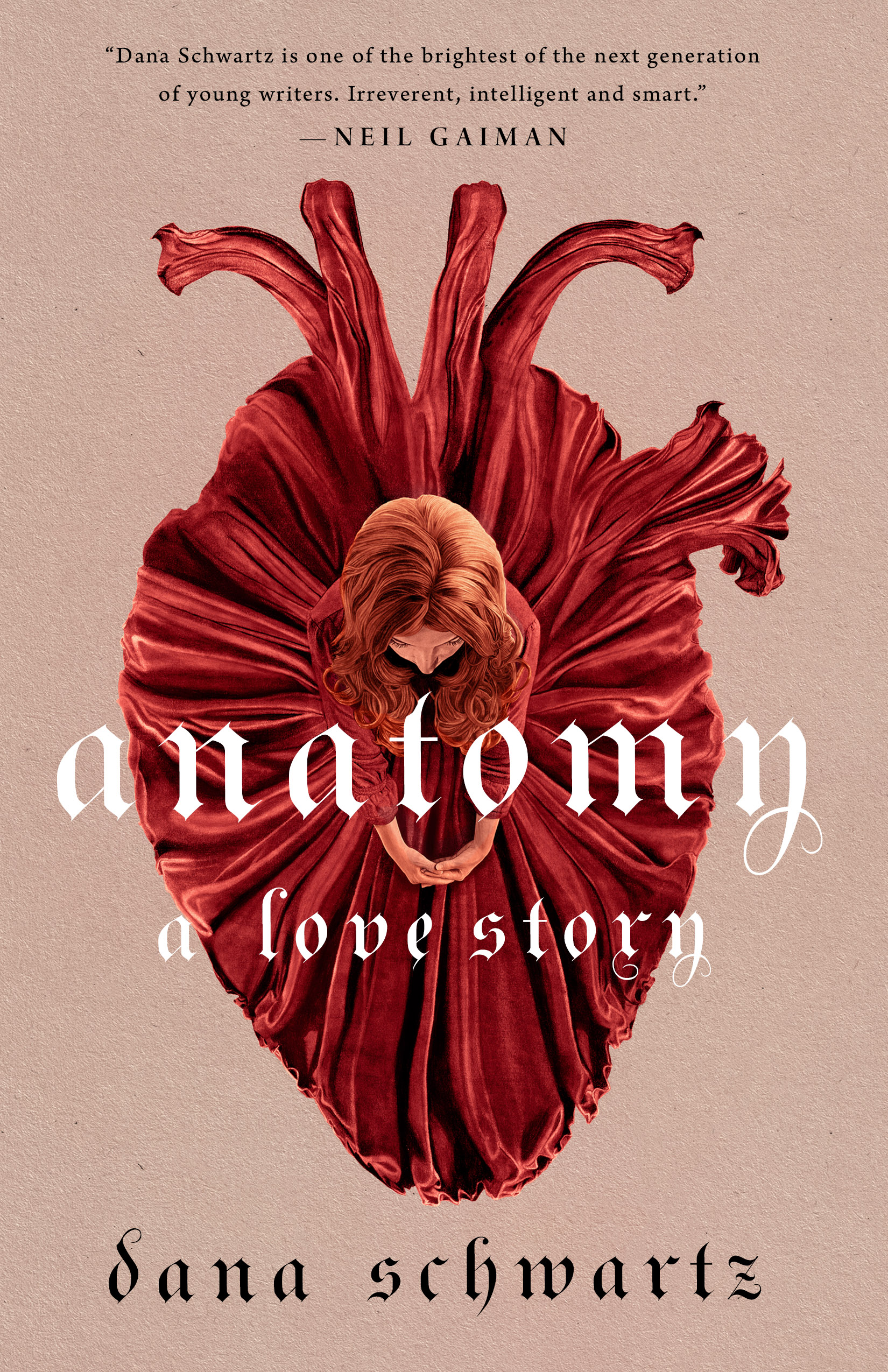
Speaking of second takes– both Schwartz’s first book Anatomy: A Love Story and her second Immortality: A Love Story have that creative illusion that highlights the heart and mind of the duology’s intelligent and daring heroine Hazel.
Blogging each day during a month has been a fun adventure to challenge me and I’ve decided February is a LOVE-ly month for another round using the theme of love. Have an idea for a post? Drop it in the comments.
This past Monday was the premier event in children and teen publishing: the Youth Media Awards. While it will undoubtedly look different next year without having a midwinter conference beforehand, it will continue to be an event to be viewed. It’s where winners of big awards that add seals to books get announced to the gasps, claps, and exuberance of all who are watching. There are years I’ve been “in the room” and years like this year that I was watching the livestream making audible noises and shaking my hands in celebration. Here were the titles that I was most excited to see come across the screen either because I devoured them (not having known about them previously in the days following the YMAs or precisely because I loved them leading up to the YMAs).
With the last day of the year, what’s better than a quick post of my favorite posts from this year because they were often about amazing moments or reads from this past year.
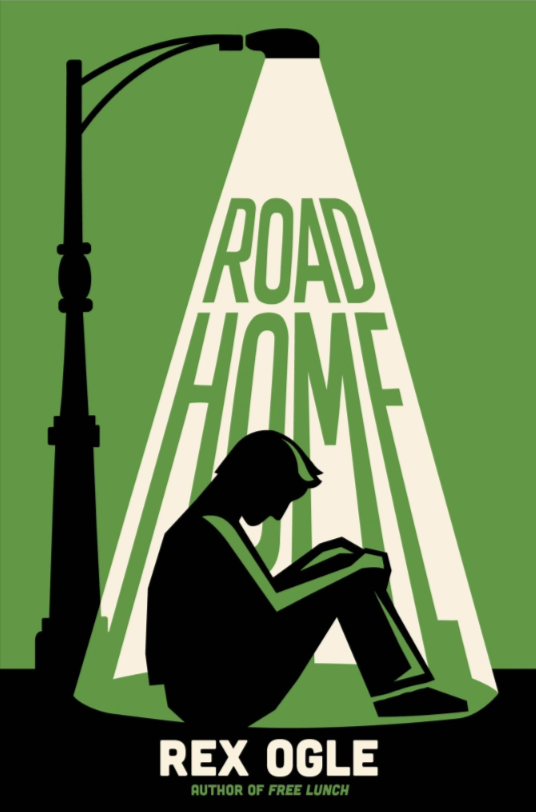
And it wouldn’t be the end of one year and the start of another without having my last book of the year and first book of the new year lined up. Several hours ago I finished the National Book Award winner Kareem Between by Shifa Saltagi Safadi. It’s clear why it’s a winner.
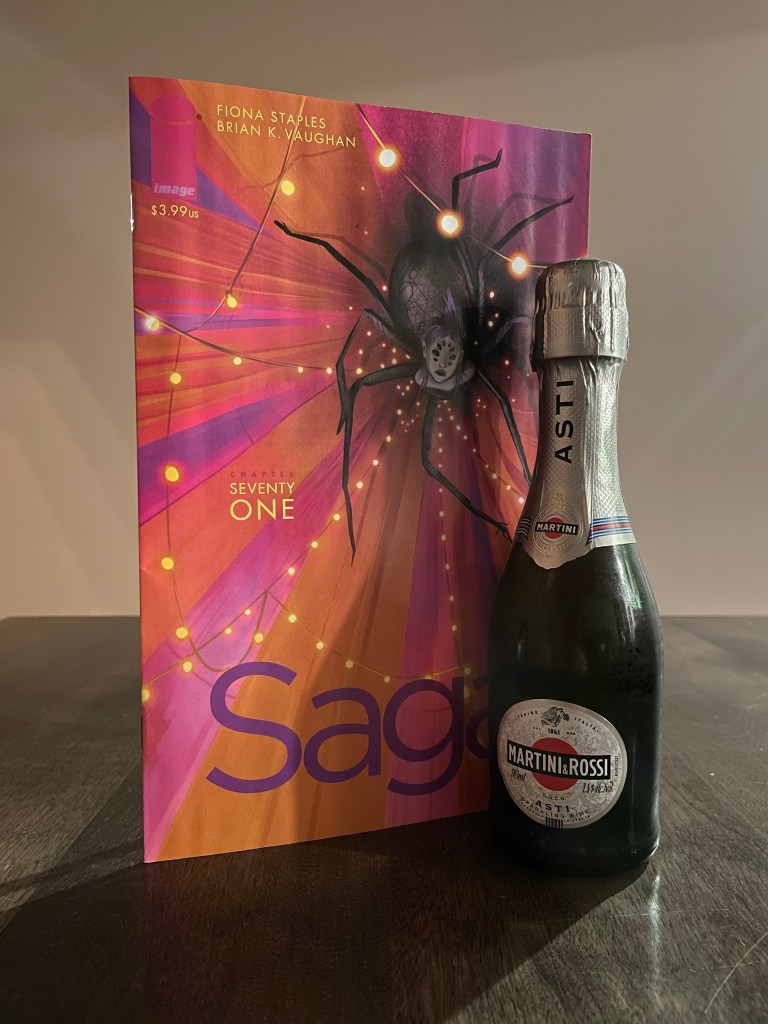
And as if Fiona Staples and Brian K. Vaughan made a wish come true that I whispered into the ether or not, my first read of 2025 will be Saga #71.
There’s no doubt this will be the perfect way to usher in a new year of reading. If you haven’t hitched your wagon to Saga yet, make this your year.








 Readers Be Advised