In a little more than a week, the Youth Media Awards will be announced in Chicago. It’s sad that there won’t be a Midwinter conference through the American Library Association to go along with it, but as the organization continues to shift, it was a necessary change that does damper (just a little) the swagger of the awards announcements that range from the Caldecott to Sibert, Odyssey to Excellence in Nonfiction.
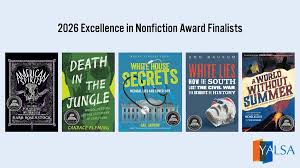
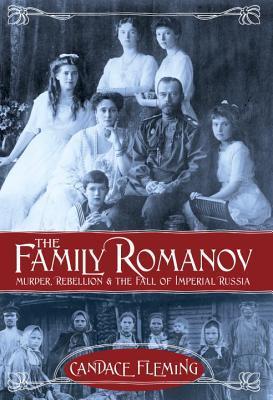
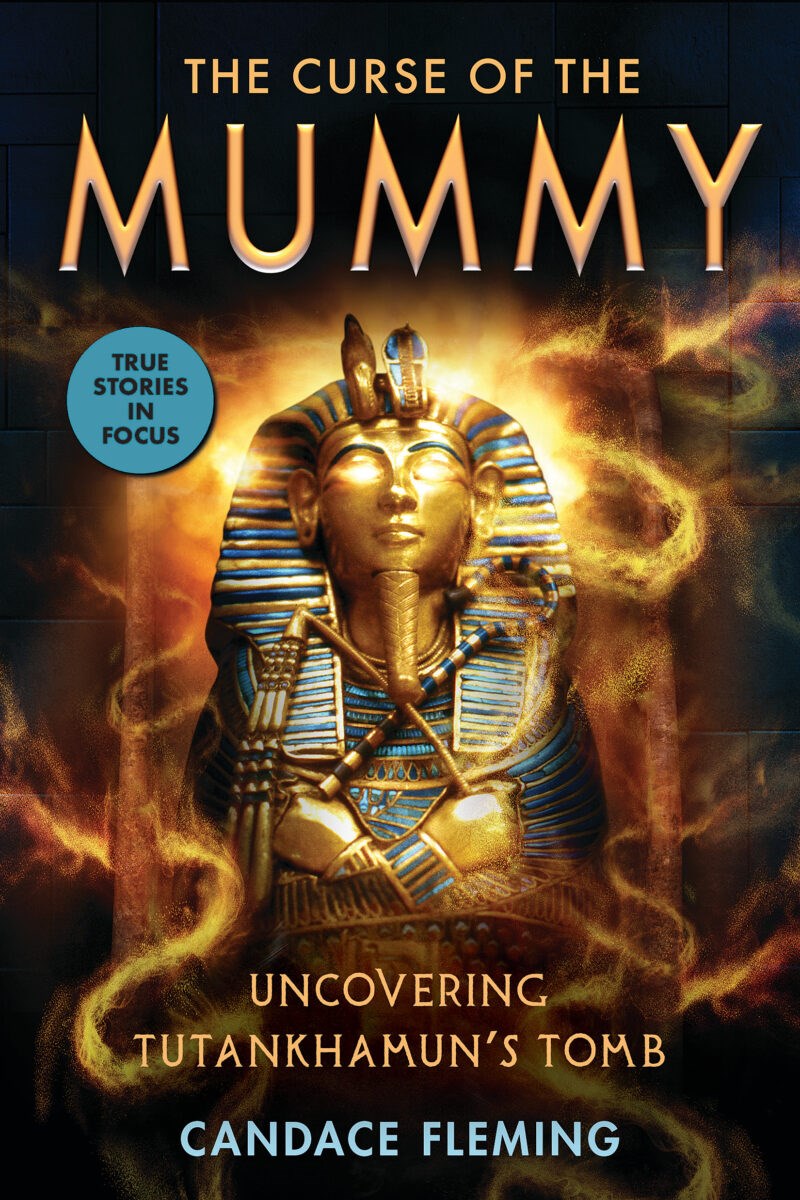
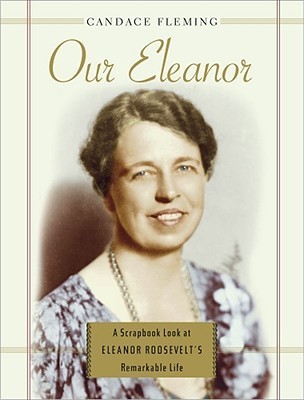
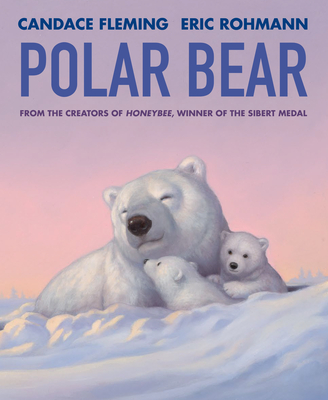
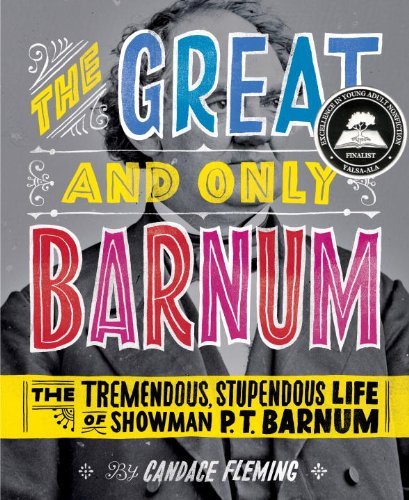
This past Thursday, I was honored to moderate for the third year in a row, the School Library Journal webcast highlighting the five finalists for the YALSA Excellence in Nonfiction Award which includes Ann Bausum, Nicholas Day, Candace Fleming, Gail Jarrow, and Barb Rosenstock.
Anyone can view the recorded webcast by signing up here. I took notes while I was moderating because there were plenty of morsels from each of them regarding their curiosity, their research, and their process that could help any would-be writer or educators wanting to share the love of nonfiction. And after watching the webcast, make sure you’ve read all five of these gems talking about topics like presidential medical coverups, the Fox sisters (known as the creators of the modern seance), Southern reconstruction, Mount Tambora’s explosion, and Jim Jones’s The People’s Temple.
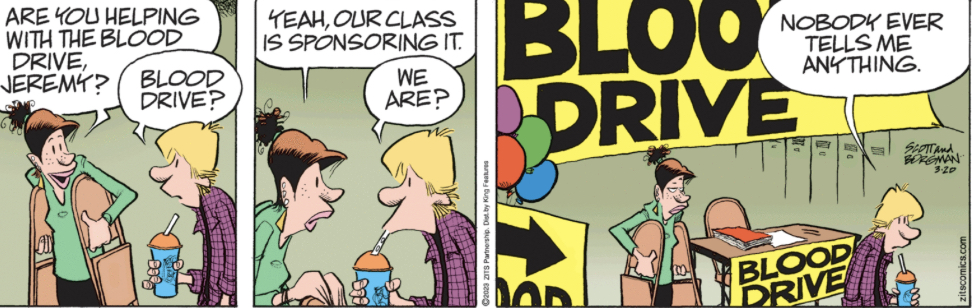
Last week I posted about Of sleepless nights and grey hairs about our upcoming author visit. That even though we’ve been doing them for a decade, it’s still stressful each time. However, like childbirth, you forget the pain and realize that you’d be willing to do it all again. I was certainly frustrated in the days beforehand because our school is currently experiencing a spate of pulled fire alarms, the business office surprised me with additional paperwork that put the visit in jeopardy, and while advertisements were everywhere, students were still surprised when I talked to them about the visit. The Zits comic from about a week prior sums it up:
While some are expected, like the fact that most people wait until the last minute to do anything, so signs ups were fast and furious up until literally minutes before the events started, others were unpredictable. I had prepped Candace Fleming ahead of time of the possibility of a fire alarm and announced the protocols for students during the visit that when it did not actually happen, she was a little disappointed. But I’d rather lower my expectations and be pleasantly surprised than caught off guard.
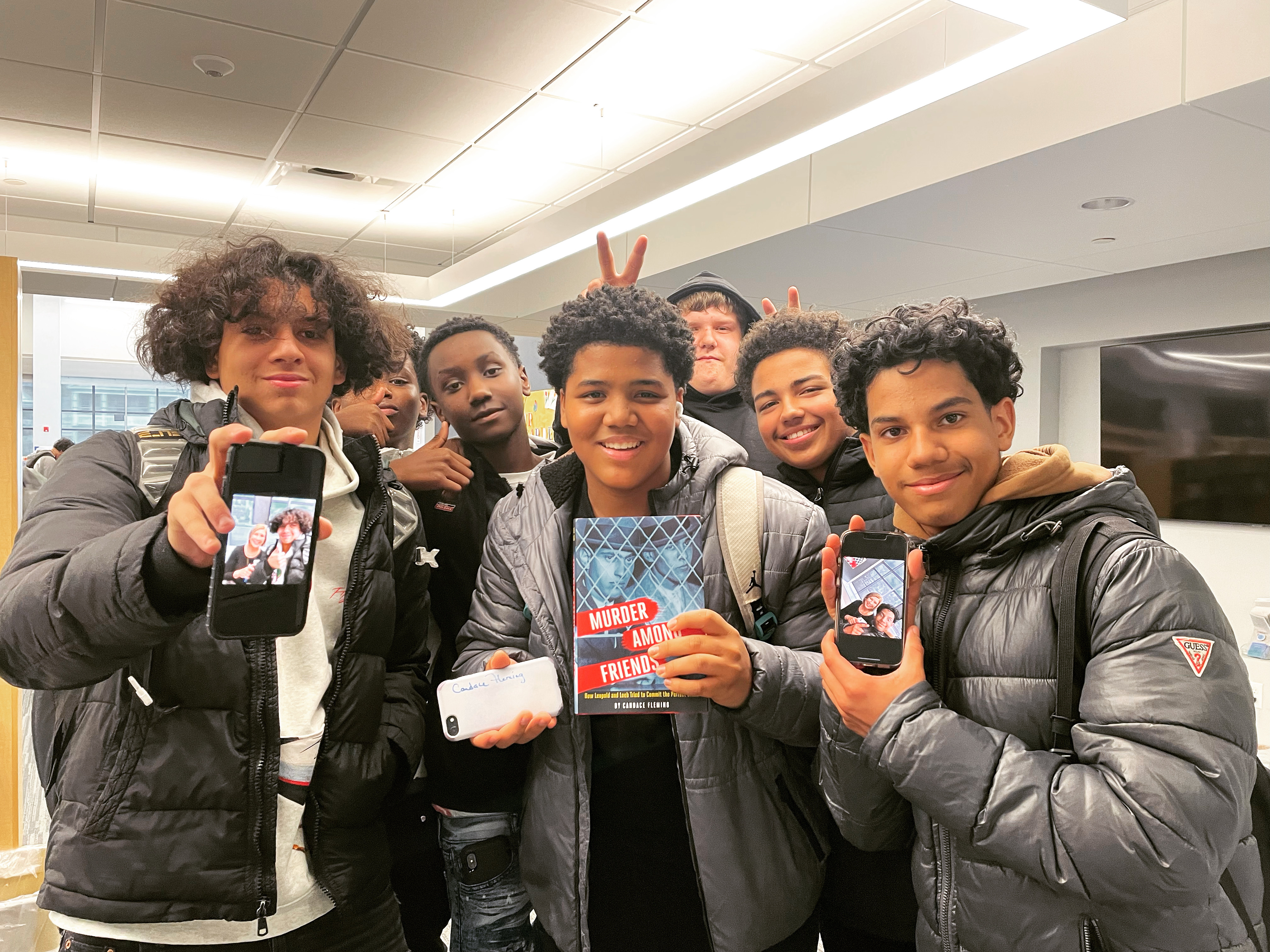
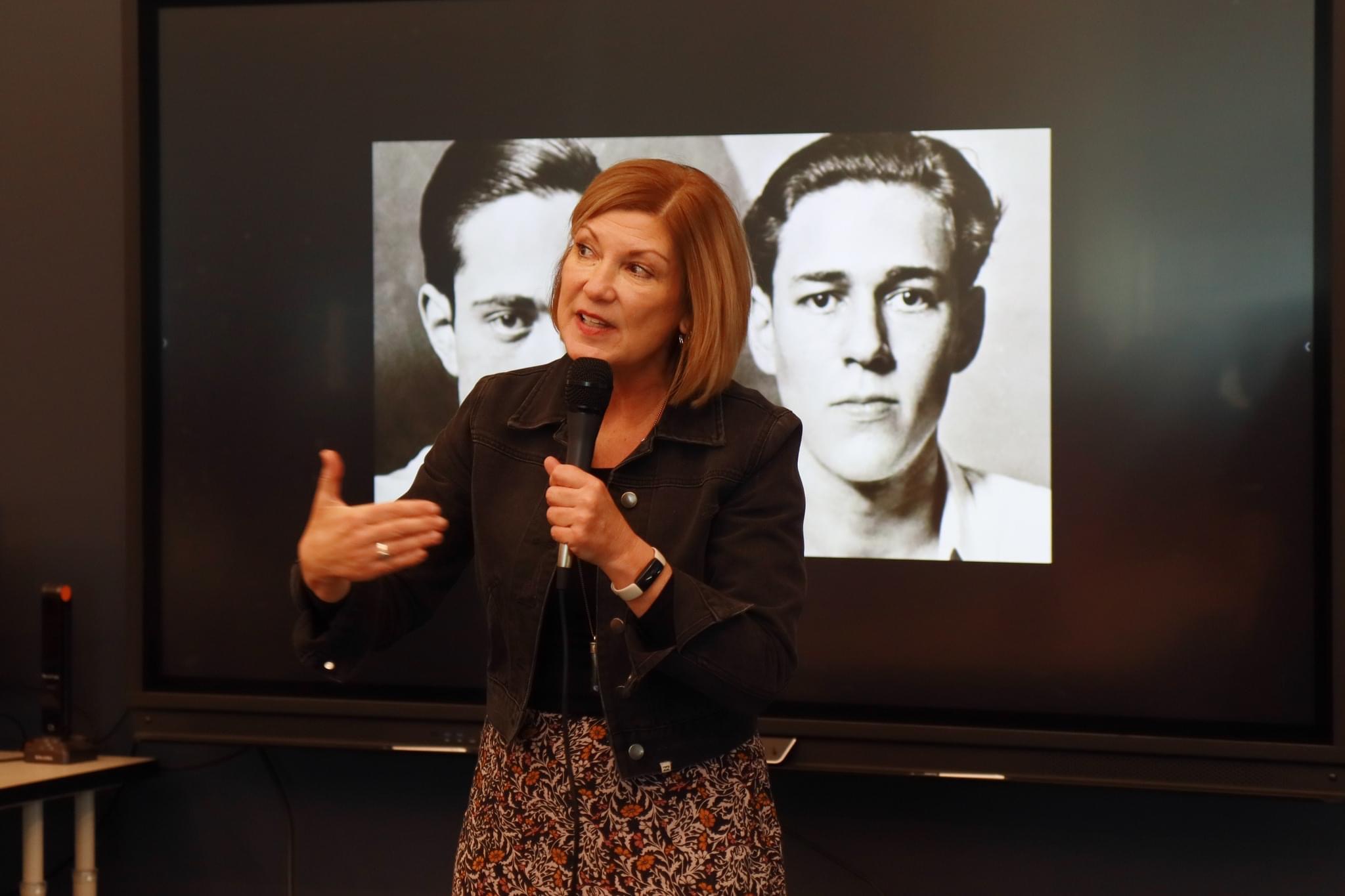
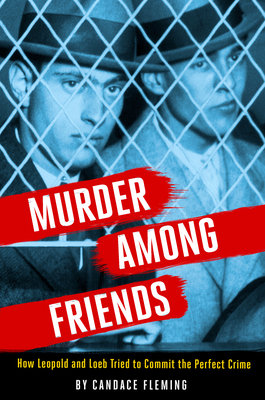
Ultimately the three presentations went swimmingly. Not only were students fascinated by her topics and pictures and stories, they spent time afterward hanging around her to get their books signed, chat, and take selfies. With a small break after the first presentation, I organized a small lunch with a few female students under the umbrella of finishing Women’s History Month with our female author with female power players in our school (one from our literary magazine, one the editor-in-chief of the school newspaper, and one that belonged to the Women’s Empowerment club). It came together with donations from community organizations and a little money from the school and prep work with teachers to engage the students in their classes, particularly from our science department and of course, true crime fans since Candace Fleming’s newest book is the YA Murder Among Friends about the infamous murder of a fourteen year old boy by two eighteen year olds, Leopold and Loeb.
But in the end, the impact of the visits for how few or how many students come is often unseen. I’ll use this example, serendipitously about a month ago, I received an email from a student who graduated ten years ago. He was writing to seek out the librarian to tell her about the impact an author visit at the school had on him because of the turmoil in his life that he was able to meet this author, was gifted a book to have signed by the author, and to share that the library in general was a safe place for him. He wanted to thank that librarian. To borrow a Taylor Swift line, “Hi, it’s me.” This email came a decade later.
Then, there might be the immediate results of the impact. My favorite image is one we shared on our social media after her last session wrapped up. These boys stayed after to have her sign their phone cases and take pictures and were beaming about the connection. It was unexpected. Yet, a joyous reminder that books and human connections are what we all need.
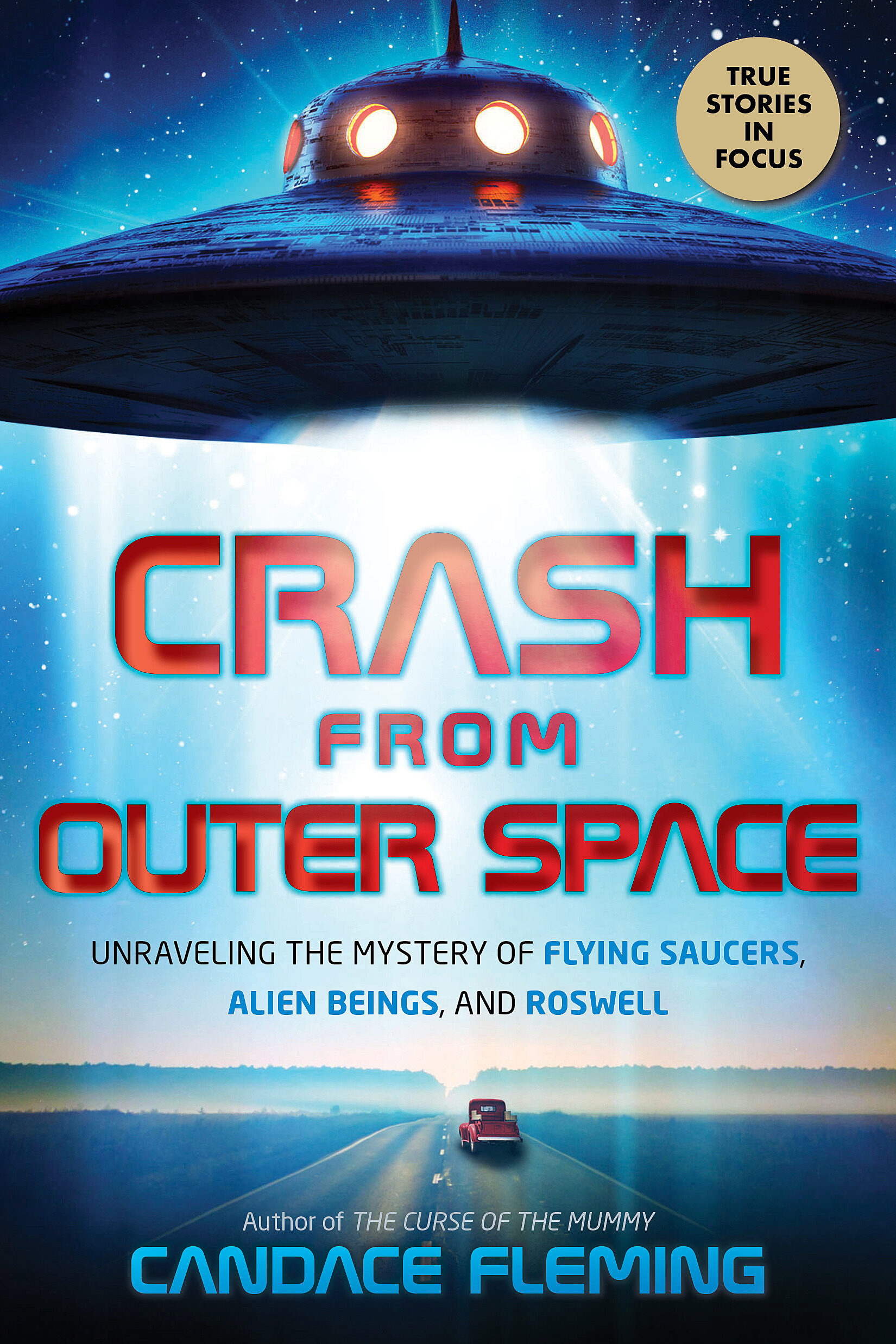
I’ll add, if you’re looking for a visit worth your while, consider Candace Fleming. Her range of picture books through YA meant that when I booked her, several other local librarians jumped on board. In three days, she went to one elementary school, one middle school, and our high school. And the majority of her work is nonfiction, which is what resonated with our students. As she said, she doesn’t have a person light a cigarette in her book, unless she knew it to be true in her research. As an obsessive reader of nonfiction, I love her attention to detail and the stories she chooses to share. She’s also a fabulous human being. We need more Candace Flemings in front of our kids sharing about curiosity and facts. She nor I will likely ever know, but I do hope one or two teens were impacted by her visit and the things she shared.
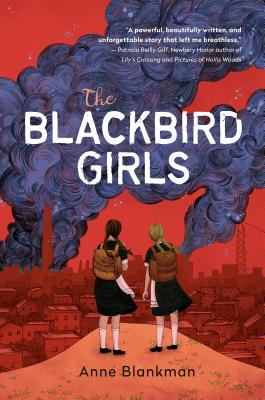
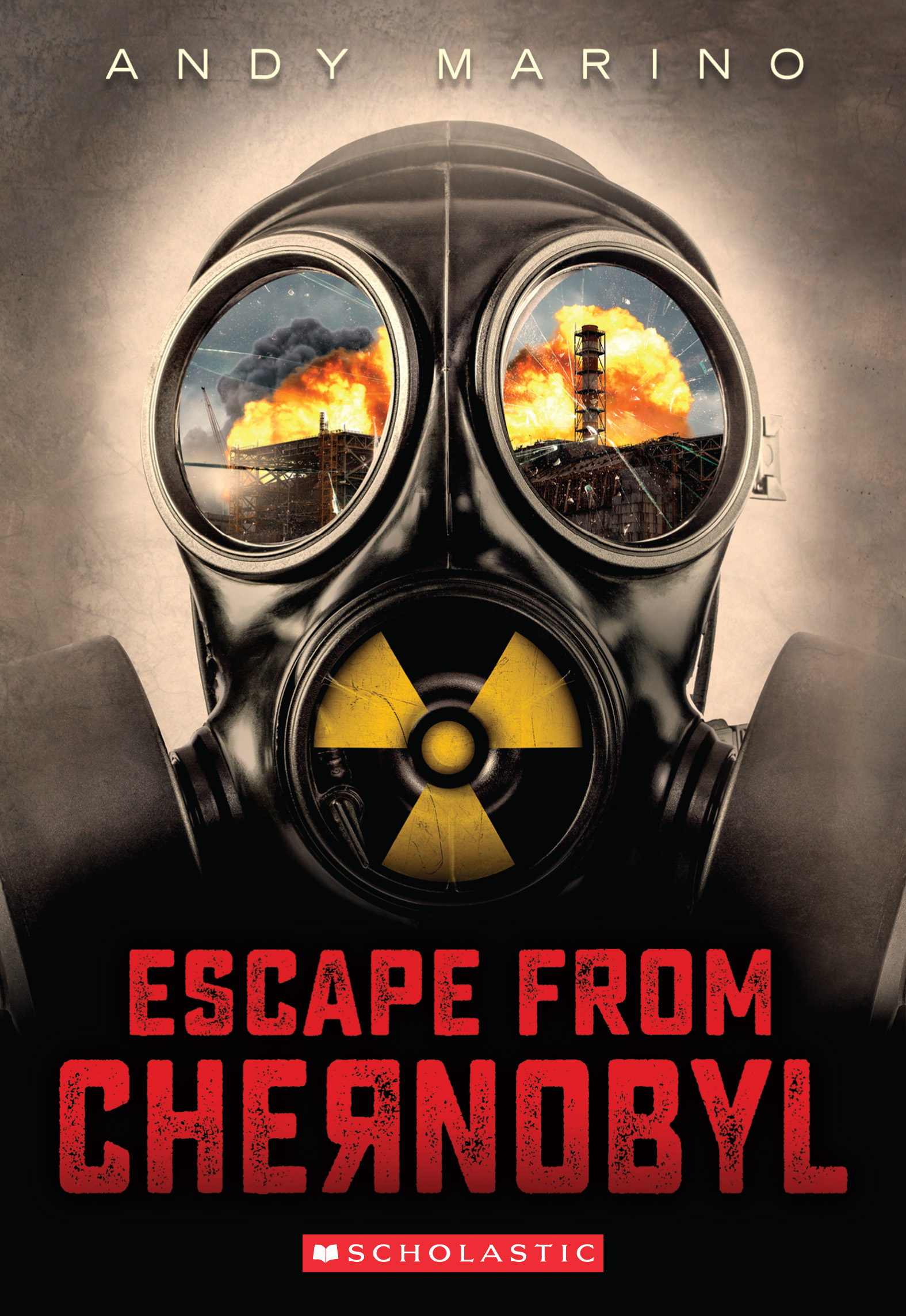
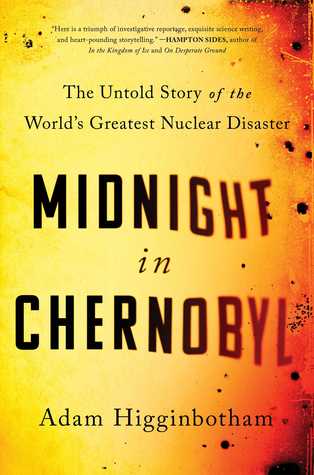
Several years ago I read Higginbotham’s Midnight at Chernobyl and recognized the depth of research that went in to writing a book of that heft, literally and figuratively. I had also read Blankman’s historical fiction called The Blackbird Girls that deals with Chernobyl and religion for a tween audience. Then with the attack on Ukraine by Russia this past week, I decided to put Marino’s Escape from Chernobyl at the top of my TBR where it was sitting somewhere in the middle and it brought me back to the tragedy, drama, and cover up that was the Chernobyl nuclear disaster, especially with the ticking clock to start each chapter.
And it didn’t end there; in a rare move, my husband ordered the HBO miniseries Chernobyl that had aired several years ago that so many had talked about but we had never watched because I had mentioned it.
He is glued to the TV watching the news coverage on multiple channels plus the radio. So between my reading and the current state of affairs, we mixed some drinks and sat down to binge the series on a Friday night. What a powerful mix of dramatic storytelling and truth. I can learn quite a bit from books, but there’s something about the visual elements of the series that aided in a deeper understanding of the politics and science that dominated the narrative of this disaster.
And what did I spend some time doing this morning? Researching other books to read and putting a few on hold at my library and downloading another via Hoopla. I’m already down the rabbit hole. I figured I would keep going.
What topics have wrapped you up in a multimedia quest to learn as much as you could about them?
One of my favorite things is to discover nonfiction series books that are dependable, informative, and eye-catching. Ones like
Wicked History and History’s Worst
Captured History
Actual Times or the newer series Big Ideas that Changed the World by Don Brown
Ordinary People Change The World
Olympians graphic novel mythology series by George O’Connor
Who Is/Who Was; What Is/What Was
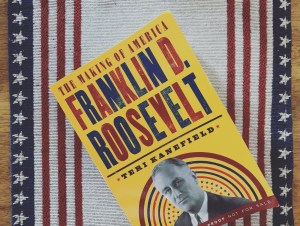
just to name a few. And after reading Teri Kanefield’s newest in her The Making of America series focused on Franklin D. Roosevelt, I’ll now always have my eye out for the next one. I actually realized I missed a few of them, but have some time to catch up: when Roosevelt’s hits shelves this fall know that she’s already hard at work on number six featuring Thurgood Marshall.
What works well for the series is the chronological organization of biographical information that is equal parts intrigue and straight facts. There’s a humanity in Kanefield’s delivery that does not dilute the truth, yet weaves a story of a person hellbent on creating an America that they had envisioned as they rose to notoriety.fame. With a mix of photographs and eye-catching covers, they’re as star-spangled as the flag.
The monumental task of telling their stories is made just a tad easier in that loads has been written about them since they’re historical figures. But it’s the angle that Kanefield uses that makes them refreshing for a middle grade and young adult audience (plus interested adults re: nerdy librarians!)
If you haven’t read the first through fourth, get them. Have the fifth, Roosevelt’s pre-ordered and then find some stuff to read in between because Marshall’s won’t be out until spring 2020. Let’s leave the woman in peace so she can research and write because I know I’m waiting patiently over here.
With one last element being done today: a reflection by the students about the week-long project that I’m eager to read, yesterday’s culminating activity was a resounding success. Students were overheard saying “I’ve never been so nervous”, “I’m glad I did it,” and “I surprised myself”. The teacher said “They’re so engaged with one another, I never see this kind of connection between them all.” And in my head, I was thinking
“Another successful collaboration.”
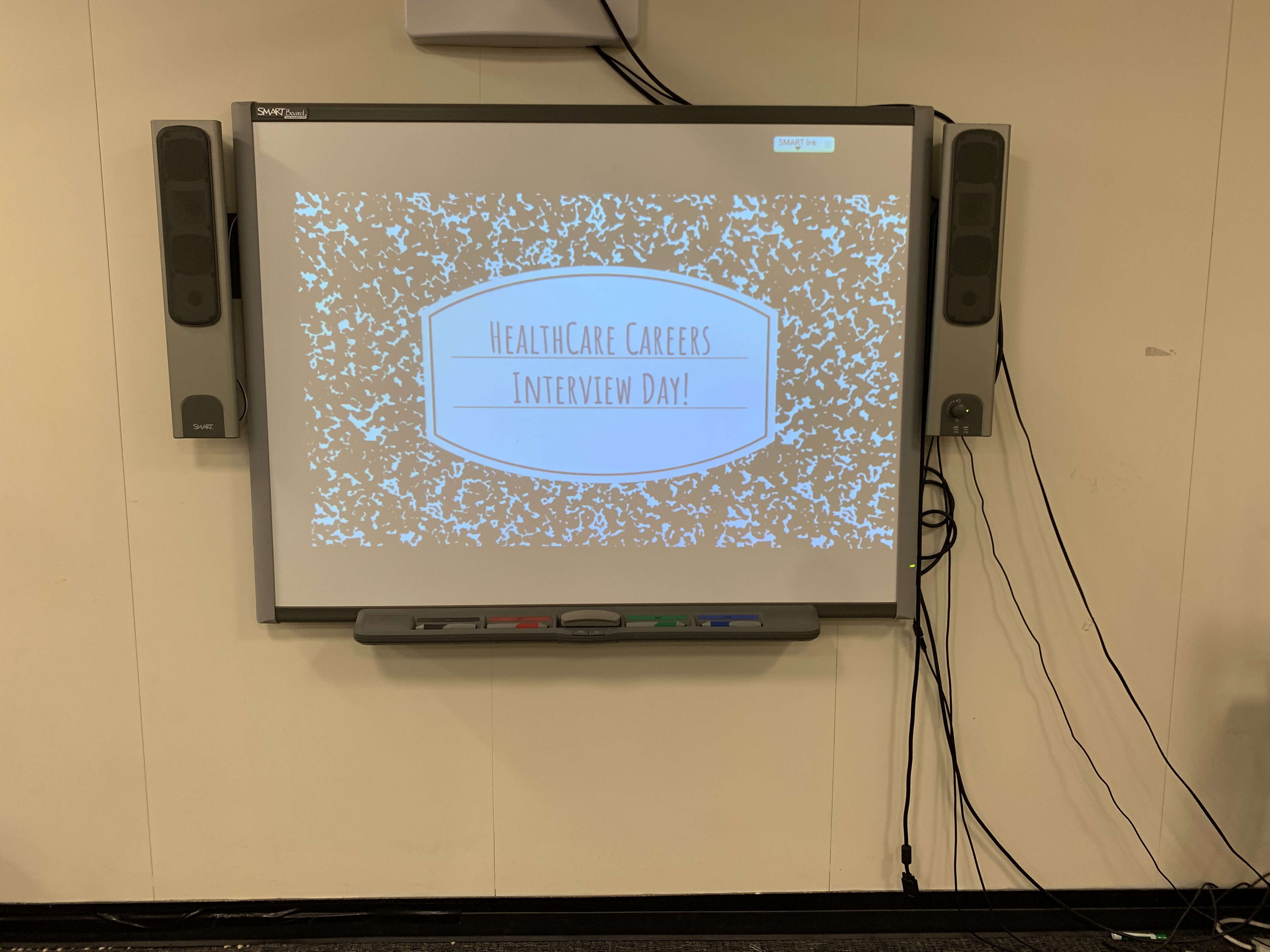
The project began with the teacher stopping with an idea for a mini-project to include in a fairly new elective course for juniors and seniors called Medical Science. Mostly, students who are enrolled are interested in a medical field. So, how can we flesh out a project that involves some research into their chosen field, and what should be the summative activity? We met several times during planning periods and both walked away each time with some questions to answer and actionable items using our own expertise to build the project. Google Docs was our friend.
Yesterday was the culminating activity and students were buzzing for the double-period that they were in the library. Students were happily nervous, furiously reviewing their resumes (and finding additional mistakes that needed correcting), reassured their classmates that they’d do fine, fretted about their appearance, and even humorously voiced their annoyance about the project because it was affecting them- basically a job well done that connected previous learning that all of them engaged in in their freshman year taking a half-year course called College and Career Readiness and applying it to their current course and college/career path. And with the remaining fifteen minutes of the second period, the students had a chance to hear general feedback from their interviewers and tips for college and career preparedness– everything from figuring out your verbal ticks like like and finding a buddy to help you STOP saying it to learning about the aggregation of marginal gains (look it up!).
Watching the students walk over to the interviewer nervously and then walking back with a big smile of accomplishment was all I needed, but then the comments started. Today, as I mentioned, they’ll be writing an official reflection that I’m dying to read. And the teacher was extremely proud of his work that started with a seed of an idea. Job well done.
What does successful collaboration look like for you? For me, that was pushing students’ limits and working together to create a well-executed project with satisfactory results and real-world connections. It will look different every time, but they all fall under the umbrella of successful collaboration.
While I absolutely enjoy my adult fiction and nonfiction as an adult reader, my teen audience is what I think about most when reading. And after enjoying the Memorial Day holiday with plenty of books and outdoor reading (an indoor reading due to the rain), I find myself appreciative of publishers who adapt adult novels for teen audiences who will eventually grow into readers of the adult novels too.
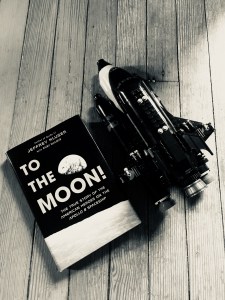
Though, I daresay that these young reader adaptations are done so phenomenally well that a reader may never need to read the adult version. This is true of Malala Yousafzai’s story, The Boys in the Boat, and Chasing Lincoln’s Killer. I’ll add one more to the list: To the Moon!: The True Story of the American Heroes on the Apollo 8 Spaceship by Jeffrey Kluger and Ruby Shamir whose adult novel by Jeffrey Kluger is Apollo 8: The Thrilling Story of the First Mission to the Moon.
Favorite characters: Of course, they need to be the real-life astronauts who took the mission when preparing for a later mission that left them in space during Christmas 1968. Each astronaut: Bill Anders, Jim Lovell, and Frank Borman all shined with their personalities through Kluger’s adept writing and research with a particularly telling scene at the end when Kluger describes an epilogue of sorts after Apollo 8 and what the men went on to do: Borman smacked the pod they had just returned to Earth in and walked away, never looking back while the two other men went on to continue in the space program.
Favorite scenes: Each scene where Kluger skillfully describes the mission control station or training facility. I was particularly struck when he explains how you can tell the success of the mission based on the smell, look, and temperature of the food sitting alongside the NASA employees during the missions. In contrast or relationship to their faces and conversation when things go right and when things go wrong. It is thrilling to feel like a reader is working on the mission too.
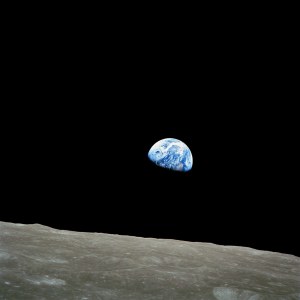
Favorite quote image: I had to look it up because I knew that it wasn’t the “blue marble” image, but when Kluger explains Anders’ shot of Earthrise, I had to bring up the image to get the full scale of some of the captivating images that they would have seen and excitingly, captured for us earthlings to see. It demonstrates the importance of not only space travel but the undying power of an image to put us in our place– in history, geographically, emotionally.
So while I can’t put my finger on one thing that made this story great, it was a confluence of all of the pieces of great storytelling. Narrative nonfiction chronicling the space race, astronauts and the sacrifices they and their families make, the inherent danger, the dreams we all have to be bigger than ourselves, but told in a way that the everyday person can understand it and be along for the ride. Who wouldn’t want (as Marilyn Lovell knows) to be gifted with a Christmas Day present from “the man in the moon”?
And in closing, back to my appreciation for young readers editions, here are a few others I’d like to see adapted for a younger audience: Jane Goodall’s In the Shadow of Man, Trevor Noah’s Born a Crime, Bill Schutt’s Cannibalism, and Sy Montgomery’s The Soul of an Octopus.
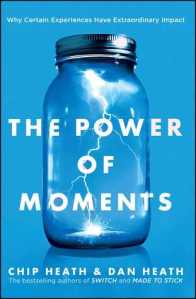
A while ago I wrote about Sherry Turkle’s Reclaiming Conversation that I marked up and continue to think about and reference in conversation almost daily. The Power of Moments by Chip and Dan Heath will be another book that I continue to think about and reference in conversation. Published in October 2017, this is the latest collaboration between the brothers and their other book topics include decision-making, ideas, and changes. The Power of Moments deals with memorable moments in our lives.
As I started to shape what I wanted to share in this post, I also remembered that a fellow New York State librarian, Sue Kowalski, often uses the hashtag #momentsthatmatter when she posts to Instagram, usually when sharing pictures of her mother, but friends and family. She knows the value of a moment. I wonder if she could have contributed to the book? In essence, the Heath brothers set out to demonstrate to readers how experiences in our lives have an “extraordinary impact” and drill down to the four elements of powerful moments: Elevation, Insight, Pride, and Connection. They reluctantly share the acronym to easily remember it as EPIC.
They walk through the four elements and hone in on succinct examples and scientific research about how moments can be orchestrated (but recognize they’re hard work to create) and when they occur naturally. I can share that I used about two pads of Post-its as I read the book feverishly taking notes. Especially for educators, there is commentary on how we can create moments that matter using the four elements in schools.
In addition, anyone who wants to think deeper about their own lives can use the book as a tool too: a) creating milestones (using the Couch to 5K example), b) that purpose trumps passion in work, c) that courage is contagious, d) that transitions are natural moment-makers, e) that employees strongly agree that “full appreciation of work done” is the best gift they can receive from bosses, f) that variety truly is the spice of life. And I could go on, but I’m putting it to others to read the book. Read deeply and openly.
I want to “turn up the volume” on moments in my life. There are already elements that I’ve used without understanding the reasons that the book lays bare. And, it’s also why apps are revolutionizing moments– they are creating moments in our lives when we didn’t know there were milestones to celebrate (think: You’ve walked 10,000 steps today! Or, congratulations, you’ve sampled 100 beers from 13 different states!)
If you haven’t read the book, read it. I’d love to form a book group about the topics Chip and Dan Heath present. I know librarians who create these moments for students every day (ahem, Stacey Rattner) and sparkling personalities that savor human interaction (ahem, Sue Kowalski) and apps that helped me run a 15K (ahem, Runkeeper), so let’s work toward creating more of these moments.
After a short long weekend away from home where we were able to travel back in time and breath in the history of a long ago time while enjoying what it is in 2017, it got me thinking about the books that make me want to travel to a specific time or place.
Call Me Zelda by Erika Robuck uses the Fitzgerald’s specifically Zelda and her private nurse, Anna to bring readers to the 1930s using a main character whose husband is MIA from the war, a young daughter who died, and her new charge, the unstable Zelda Fitzgerald to bring the Jazz Age to life.
Mary Coin by Silver is a haunting, heartbreaking, and lyrically romantic interpretation of the subject of Migrant Mother, the photographer, and a possible relative focusing on the Great Depressions far-reaching effects.
Garden of Stones by Littlefield uses the same concept as Silver with the comparison of different generations in one story and how they all persevered. In this story it focuses on a woman’s survival at all costs during the Japanese internment.
Into the Wild by Krakauer takes us to the wilds of Alaska and leaves us to wonder, what was Chris really thinking?
Mudbound by Jordan shows us the dead-end life that Laura is feeling she’s living after relocating to the Mississippi Delta in 1946. The intricacy of relationships romantic and otherwise bring this story to life.
All of these are adult titles whose authors have a particular penchant for historical fiction or in Krakauer’s case, writing nonfiction with a bevy of research and purpose, that provide readers with an experience. The kind of experience I had sitting for brunch with a pomegranate mimosa and eggs benedict in the oldest tavern in the United States that opened its doors in 1697 and where the Colonial Legislature would meet. All you need to do is close your eyes and listen to the creaking of the wood floors and feel the bustle of life that long ago. I’m guessing it would be far noisier and smokier and sans white linens.
As part of the #edublogclub year-long challenge to blog on education, this week’s topic focuses on videos.
Even with two full-time librarians at a high school for 2,500 students, there are times we can’t get to every class, especially when trying to marry our schedule and the teacher’s timeline. The easiest fix is to send ourselves digitally and that might be in the form of a video tutorials, which we generally use Screencastify for, a Google extension that allows you to record using your computer’s video camera or broadcast your screen.
This was part of a lesson I gave each year to a group of students for a particular teacher:
As part of the #edublogclub year-long challenge to blog on education, this week’s topic focuses on feedback.
One of my favorite assignments when working with an upperclassmen group conducting research was when I came in to discuss the initial thoughts, tips, and tricks on “revving the engine for research”. For many teachers I worked with, I helped shape a document that set deadlines for parts of the research and subsequent paper that provided a realistic scaffold of conducting research but also helped demonstrate time management.
Specifically though, they had to submit several essential questions and a working thesis statement along with two complete citations of articles they had found so far. Then I graded this and went back into the classroom and talked with the students where they were given the next step: this was a formative grade, not summative. If students wanted to earn back points, they’d set up a meeting with me in the library and resubmit the assignment.
This served two purposes: first, students learned that revising and editing is as important as the process and the paper itself. Do not be afraid to revise. The second was that, we wanted them to grow as learners, which meant that reflecting on how well (or not well) something was working can be continually improved. So, providing an individual conference is a necessary step to provide reflection and also resources to help them move on, when sometimes students wouldn’t ask until it was too late, if at all.
As a school librarian, individual attention is just as important as group instruction, especially with upperclassmen. If in our large school of 2,500 students, their underclassmen teachers didn’t take advantage of the resources my colleague and I could provide, then students might not know the library was a resource. So as a sixteen, seventeen, or eighteen year old, individualized attention was almost a necessity to recoup some of that lost time from previous years.
And the levity they showed after a twenty-minute conference was a positive step in empowering them to ask questions, reach out, and reflect, so that they will return. So I leave you with a humorous meme from madamedefargeknits.tumblr.com:


 What works well for the series is the chronological organization of biographical information that is equal parts intrigue and straight facts. There’s a humanity in Kanefield’s delivery that does not dilute the truth, yet weaves a story of a person hellbent on creating an America that they had envisioned as they rose to notoriety.fame. With a mix of photographs and eye-catching covers, they’re as star-spangled as the flag.
 Yesterday was the culminating activity and students were buzzing for the double-period that they were in the library. Students were happily nervous, furiously reviewing their resumes (and finding additional mistakes that needed correcting), reassured their classmates that they’d do fine, fretted about their appearance, and even humorously voiced their annoyance about the project because it was affecting them- basically a job well done that connected previous learning that all of them engaged in in their freshman year taking a half-year course called College and Career Readiness and applying it to their current course and college/career path. And with the remaining fifteen minutes of the second period, the students had a chance to hear general feedback from their interviewers and tips for college and career preparedness– everything from figuring out your verbal ticks like like and finding a buddy to help you STOP saying it to learning about the aggregation of marginal gains (look it up!).
 While I absolutely enjoy my adult fiction and nonfiction as an adult reader, my teen audience is what I think about most when reading. And after enjoying the Memorial Day holiday with plenty of books and outdoor reading (an indoor reading due to the rain), I find myself appreciative of publishers who adapt adult novels for teen audiences who will eventually grow into readers of the adult novels too.
 Favorite
 As I started to shape what I wanted to share in this post, I also remembered that a fellow New York State librarian, Sue Kowalski, often uses the hashtag #momentsthatmatter when she posts to Instagram, usually when sharing pictures of her mother, but friends and family. She knows the value of a moment. I wonder if she could have contributed to the book? In essence, the Heath brothers set out to demonstrate to readers how experiences in our lives have an “extraordinary impact” and drill down to the four elements of powerful moments: Elevation, Insight, Pride, and Connection. They reluctantly share the acronym to easily remember it as EPIC.




 Readers Be Advised