As part of the #edublogclub year-long challenge to blog on education, this week’s topic focuses on student privacy.
As a unique educator in that the 2,500 students that attend the public high school that I work at are all “mine” since I work in the library means that any given program, activity, class project, or visitation could mean meeting a student I have never met before or that has never come to the library before. It also means that at the beginning of the school year I haven’t sent home a photo release form from our school to post or not post images of my one class or multiple classes that I have direct contact with if I was a classroom teacher. With that in mind, as I do for my own elementary-aged children, I do not want my own kids’ images plastered on social media for the sake of capturing an exciting educational moment unless it protects their privacy or I have given permission. That’s where creative camera work comes into play.
Many of my favorite memorable moments from programming in the library have been avoiding students’ faces and focusing on the atmosphere or activity. Now, I’m not saying I’m Dorothea Lange, but I know my way around my iPhone camera to capture the moment without student faces. Yes, I have them, but they’re not the ones that get shared. This is important. It’s also why I teach Googling your name and do so often with my and my family’s name to see what is out there. This is an element of digital citizenship that people must get out in front of, even if it’s simply to know what’s out there. We must be aware of what it out there attached to our identity or others that have similar or the same name. It can take the form of a picture or simply your name or your affiliated institution.
Ultimately though, it is as much our responsibility as educators as students and their parents to be sure that they can control what and where they can. So, here are some examples from our own social media postings where we avoid showing student faces. For us, it’s about angles, light, or putting teachers in the foreground.

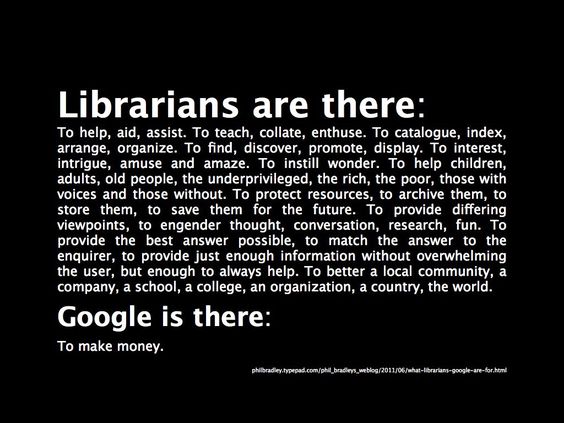
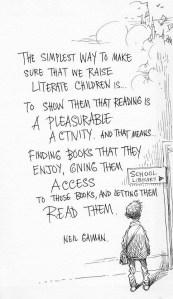 In a few months, I will celebrate ten years working as a high school librarian. Excitingly, I’ve spent them all in the same high school library. Whoever I speak to, whether it’s my colleague daily or a community member, it’s readily apparent from my excitability and speed-talking that my favorite part of librarianship is readers advisory. The days I leave the library feeling most accomplished are the ones where I’ve spent the most time connecting students with books, talking about books, or reading (yes, we have created READ days where the only job of the visitor is to sit and read. We provide the hot chocolate and the modeling, so in between filling the urns, we’re reading too).

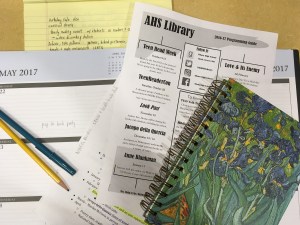 As part of the #edublogclub year-long challenge to blog on education, this week’s topic focuses on discussing my classroom or place of work.

 Along with the resolutions and changed habits that come with a new year come feeds pushing challenges to read a certain number of books for the upcoming year. And while I enjoy seeing the “year in books” Goodreads sends me as an avid user of the site, I will not be entering their reading challenge. Nor will I print out and complete a Bingo-style reading chart, promise to read a certain amount of classics, or read a book a day. Why? Because I like to have some control over my reading habits, sometimes my brain can’t wrap itself around Charles Dickens, and there are days I might read two books.


