Representation matters. And in the case of books for teens in which the teen has a rare illness, it stands as a mirror or window for a reader. Now more than ever, books are being published featuring characters with autism, anxiety, and depression, all more common especially in 2025, but what about rarer illnesses such as Crouzon syndrome or Ehlers Danlos Syndrome or spinal muscular atrophy? I’m happy to report that there are stories, and fabulously written stories at that, about rare illnesses.
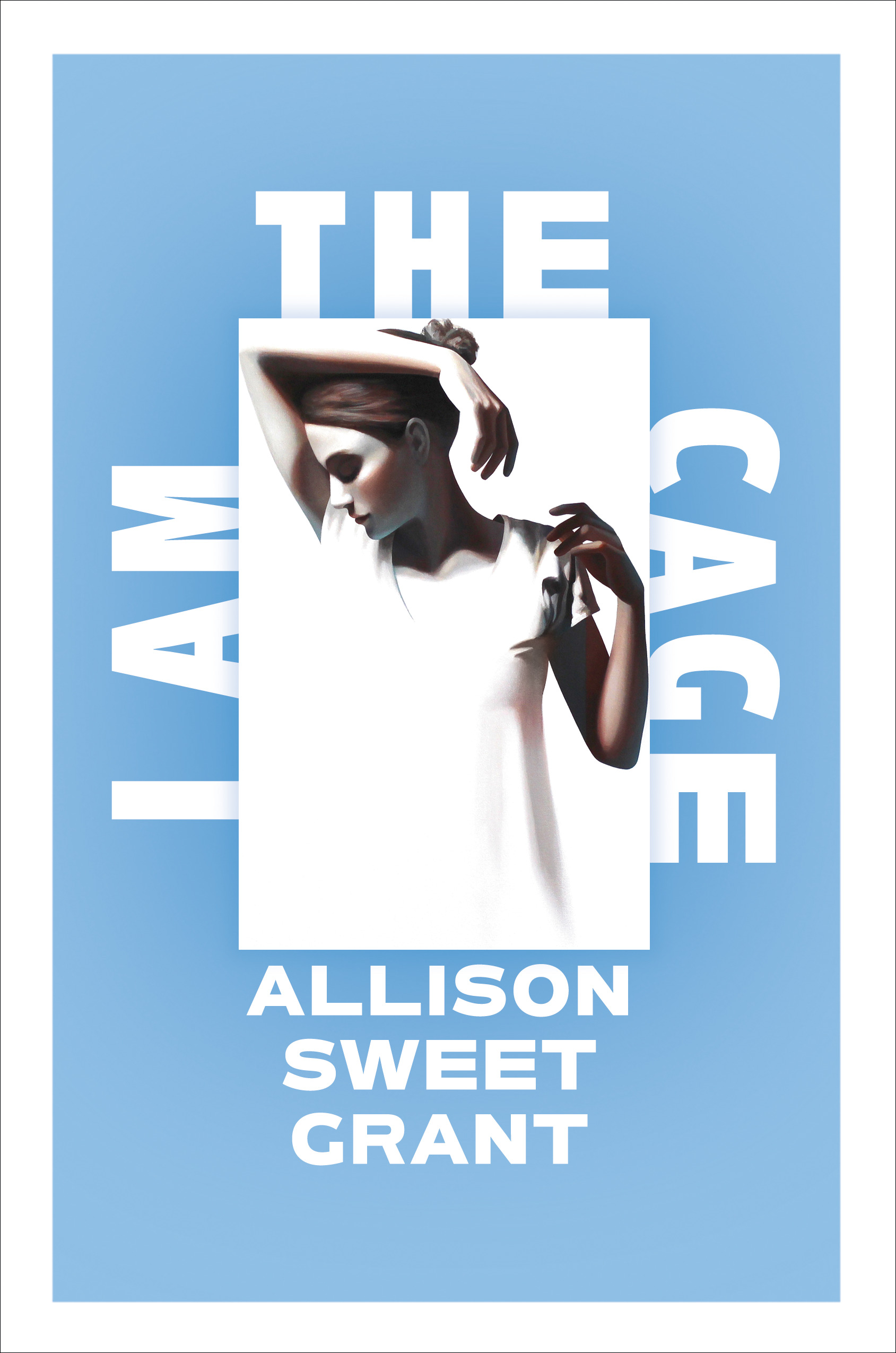
I got to thinking about this yesterday afternoon having finished the book I Am The Cage by Allison Sweet Grant that was published last week. In it, nineteen year old Elisabeth is slowly revealed to have had intense medical trauma growing up as a result of leg length discrepancy. And then I remembered other books that I’ve read and enjoyed sharing with teens with similar rare illnesses.
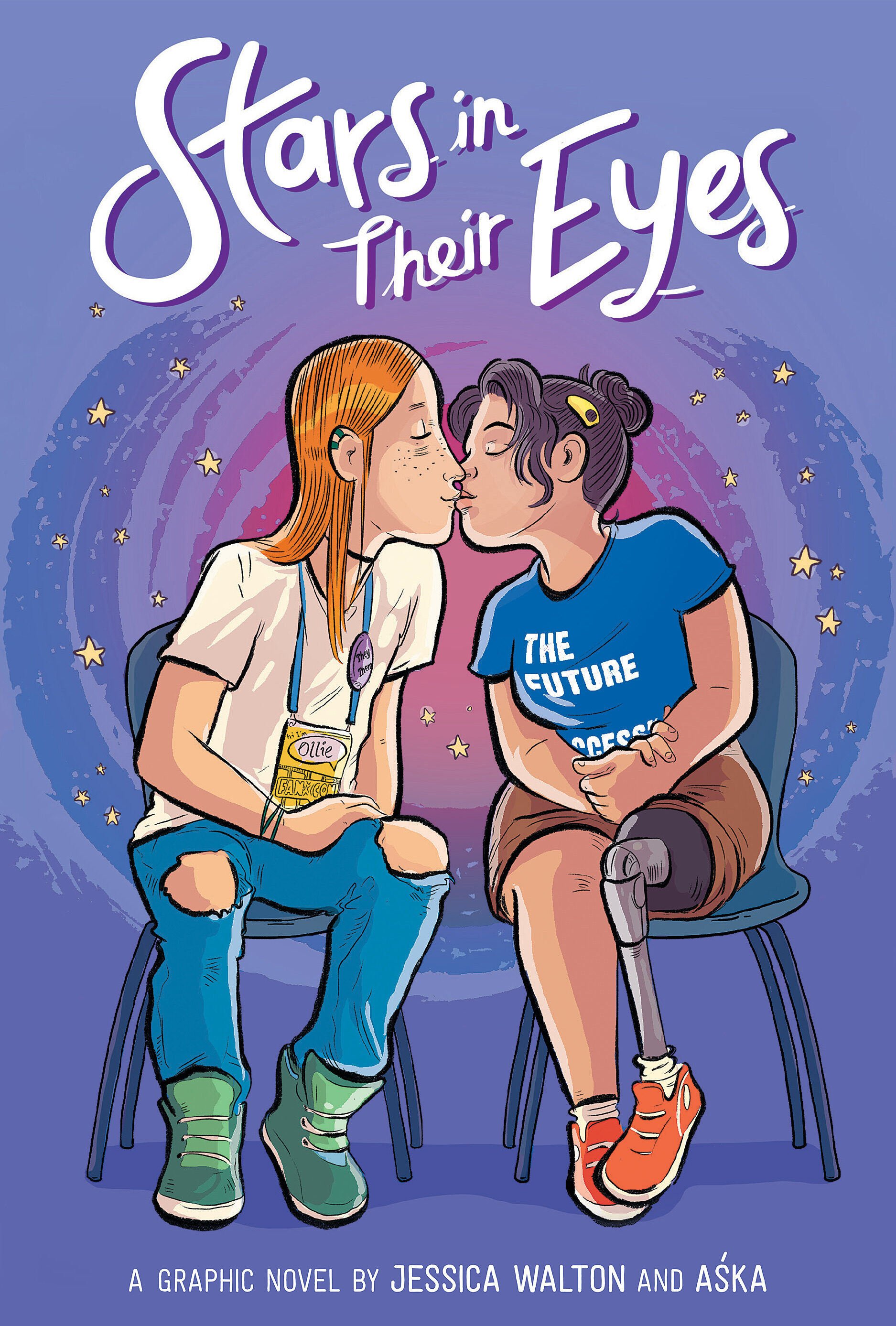
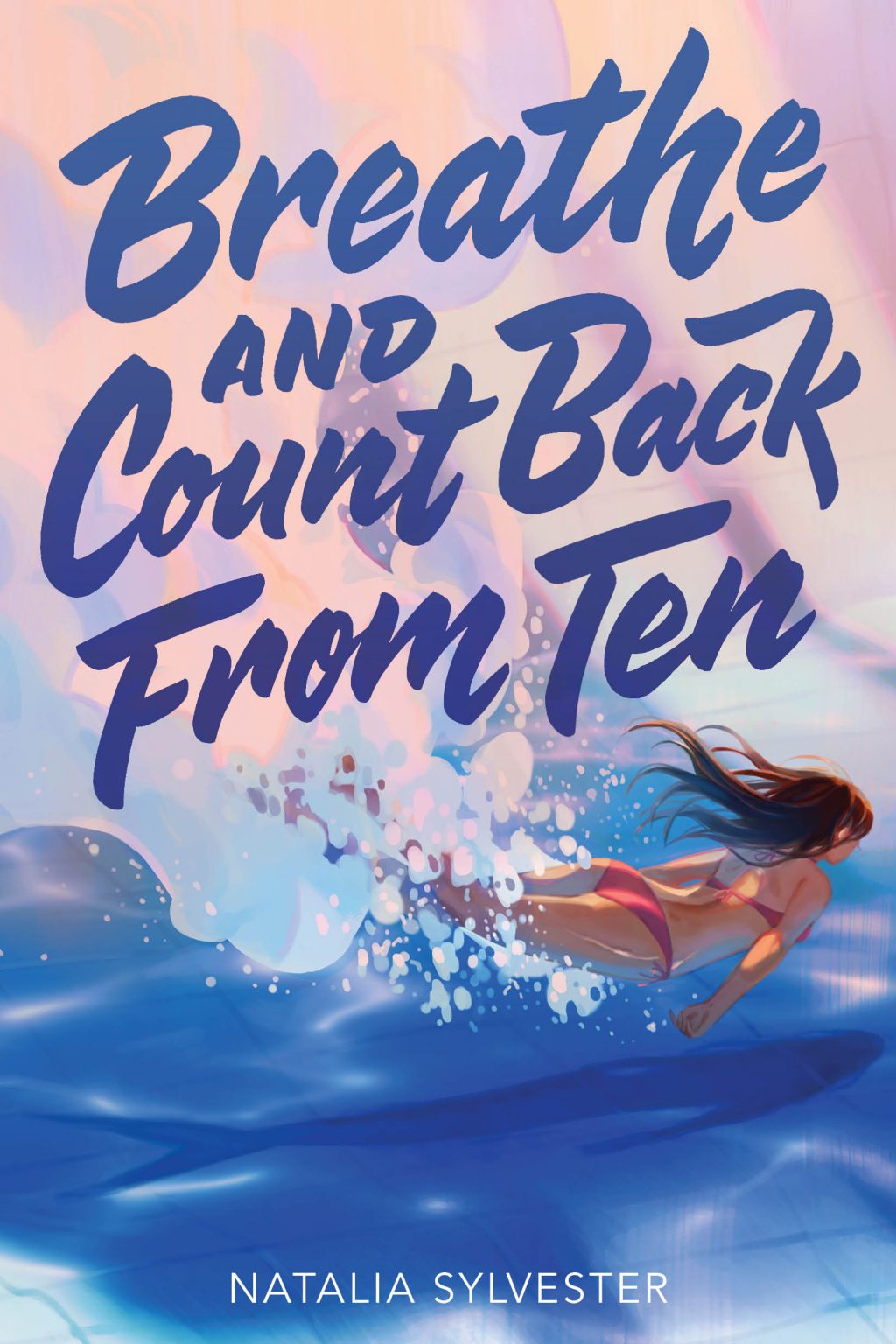
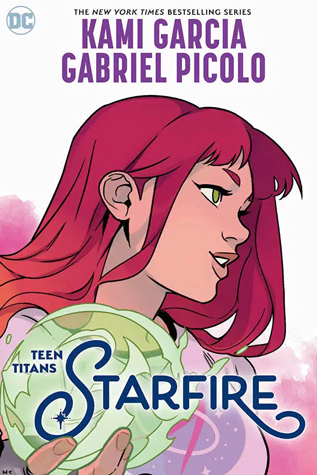
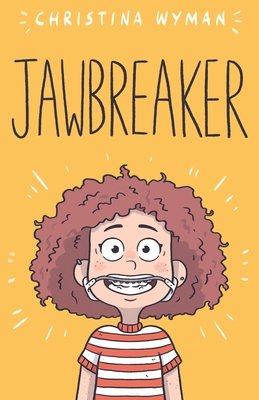
Four additional fictional stories include the graphic novel Stars In Their Eyes by Jessica Walton and Aska featuring Maisie who is an amputee. Breathe and Count Back From Ten by Natalia Sylvester whose main character Veronica has hip dysplasia. The fifth book in the Teen Titans graphic novels called Starfire includes Kori who has Ehlers Danlos Syndrome. And in Jawbreaker by Christina Wyman, Max struggles with the pain and possible surgery for her Class II malocclusion.
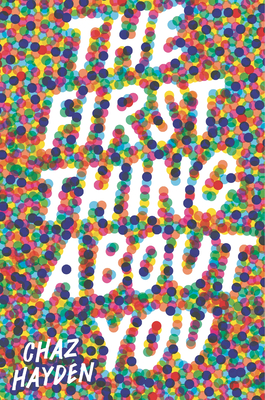
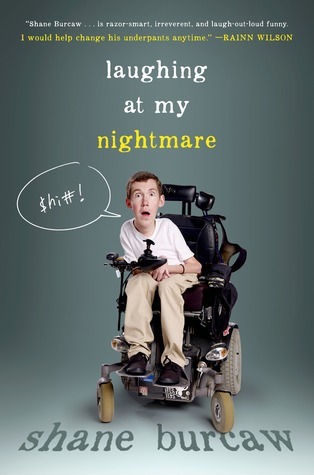
Then there are the autobiographies. As a lover of this category and whose high school library features a massive collection of amazing ones, I am always on the lookout for addition spectacular stories. And the first one, Shane Burcaw’s Laughing At My Nightmare holds a special place for me as I was able to booktalk his second book Strangers Assume My Girlfriend Is My Nurse at a Macmillan breakfast many years ago and then met both Shane and (then girlfriend, now wife) Hannah at a dinner during that conference. Burcaw has spinal muscular atrophy. And if you’d like a fictional YA title with a character who also has it, I highly recommend Chaz Hayden’s The First Thing About You.
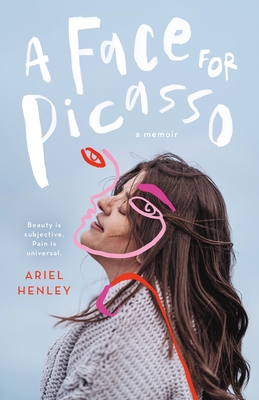
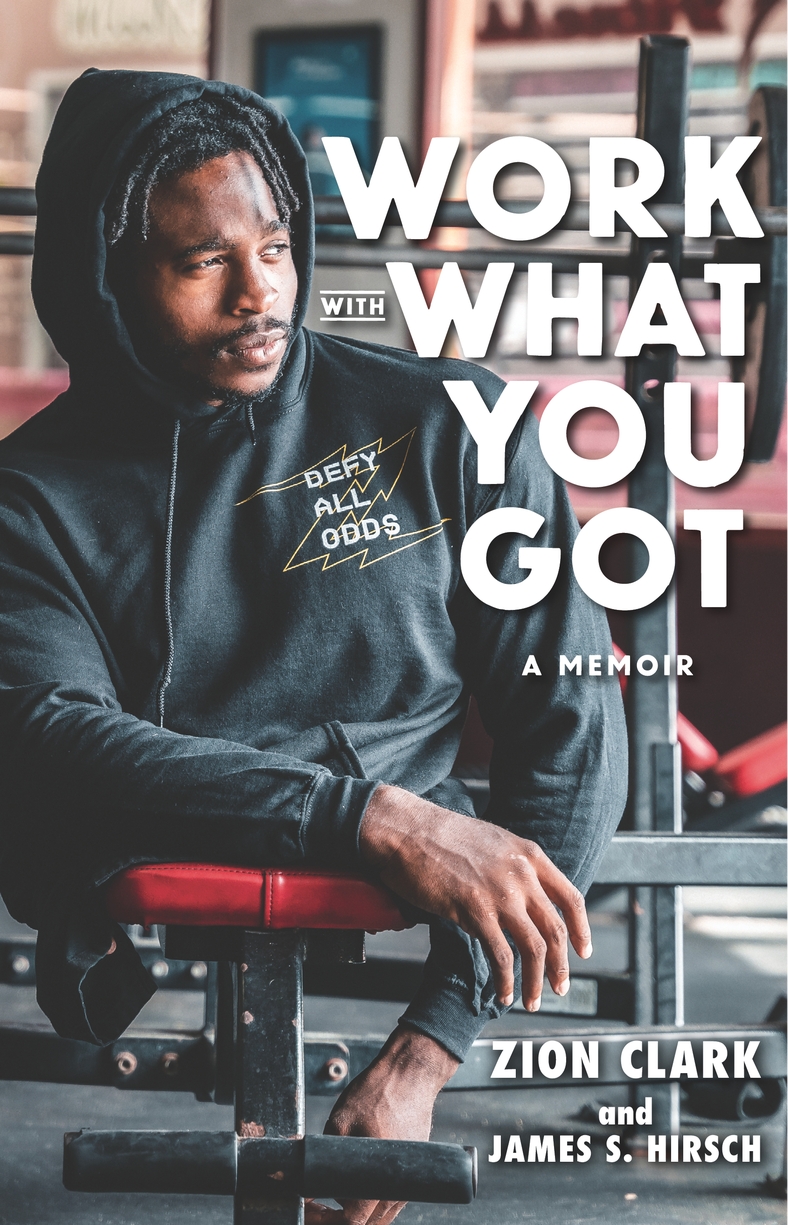
One I often recommend is Ariel Henley’s A Face For Picasso, who spent her teen years under the knife (along with her twin sister who also has it) to provide symmetry to her face having been born with Crouzon syndrome and realizing what she needed versus what she wanted. Another that I share regularly and quote from regularly is Zion Clark’s (along with James S. Hirsch) Work With What You Got, a sports autobiography which rounds out his life, and fame, thus far after being born with caudal regression syndrome.
Of course there are more, however these nine are solid stories that I hope you pick up if you haven’t already.


























 Readers Be Advised