You can agree that once a word, an item, a phrase is introduced to you or you learn about a topic, it then seems to be everywhere– but it’s about what’s in your consciousness. And I’m always entertained when it happens in my reading. I’ve explained that I’m a mood reader– I always have a mountainous stack of books at home so that I have a range of options to pick from. So when there is no real strategy, it’s delightful to make connections between books. Here is that tale in three books yesterday:
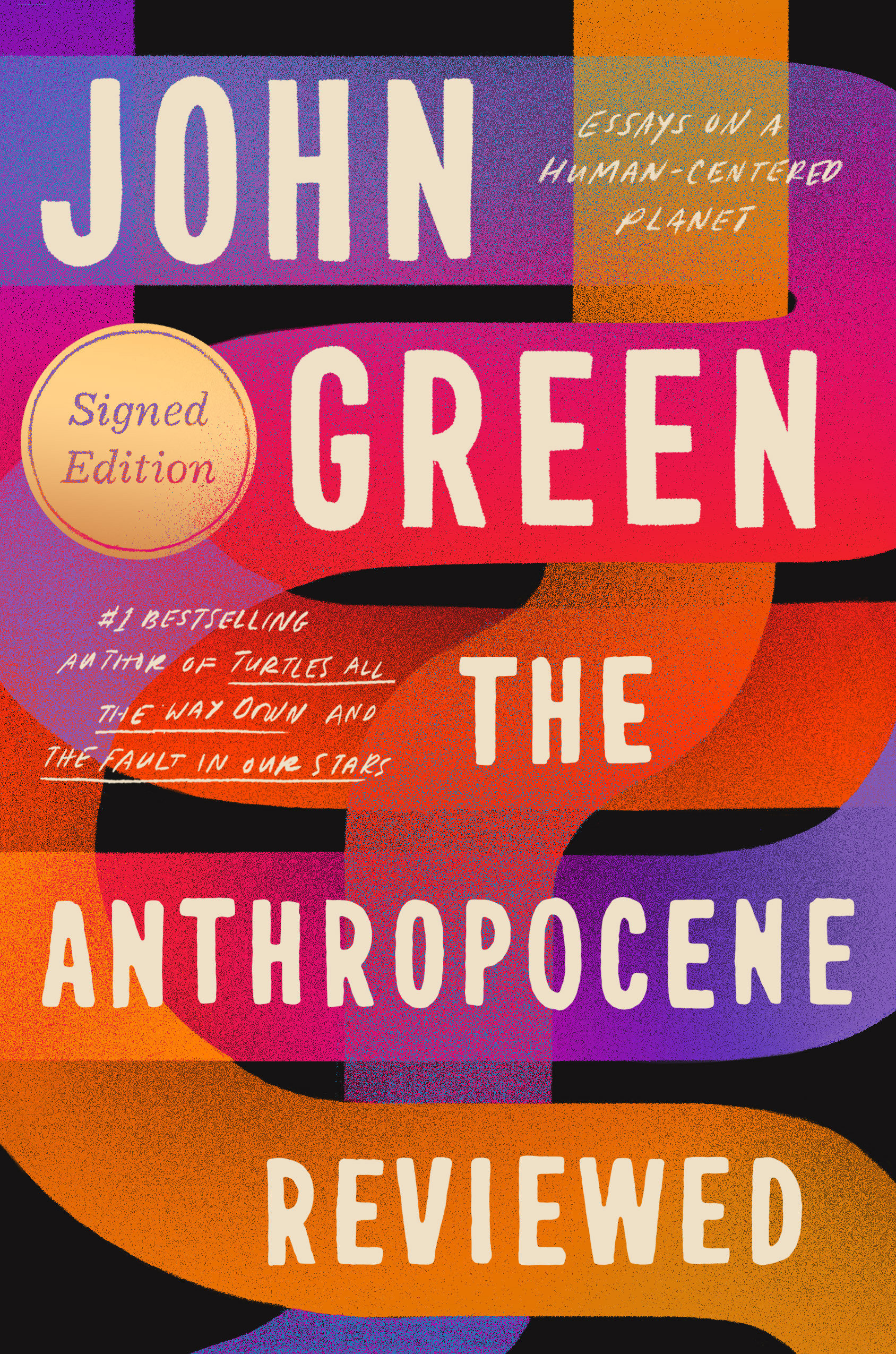
Book 1: I’m taking my time reading John Green’s The Anthropocene Reviewed. It’s essentially a collection of short stories– his reviews. I’m entertained and enlightened by his stories, so I’m reading a few a day. The other day I read his review on the Lascaux Cave Paintings. I knew a little about what they were, but now I now more.
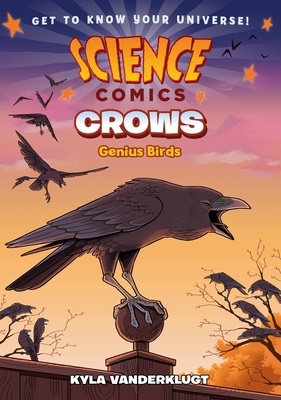
Book 2: Science Comics are cool. I’ll always pull one of them aside if I haven’t read it even if it’s not a topic I’m super interested in (though I don’t know if I’ve ever really felt that way about any of them thus far). One of the new ones that came into our library was Crows: Genius Birds by Kyla Vanderklugt. In the graphic novel between a dog and a crow, it’s mentioned that there’s a sketch of a crow in the Lascaux Cave. BINGO!
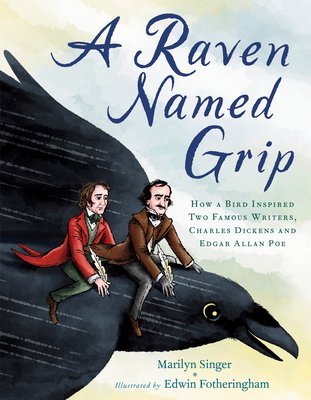
Book 3: Then ding, ding, ding! I wanted a quick transitional book in the afternoon, so I picked up Singer’s picture book illustrated by Fotheringham from a recent box delivered to my front door called A Raven Named Grip: How a Bird Inspired Two Famous Writers, Charles Dickens, and Edgar Allan Poe. Crows and ravens– all part of the corvidae family.


From caves to crows… I love when one thing leads to another.


Moving on to an informative picture book, this one details the life of Ruth Wakefield, inventor of the chocolate chip cookie. Ford provides the three versions of how people think the cookie was created and has fun providing you with a well-rounded tale of her passion for food and how her toll house became part of the “Nestle’s Toll House Cookie” recipe stamped on each chocolate chip bag you buy.
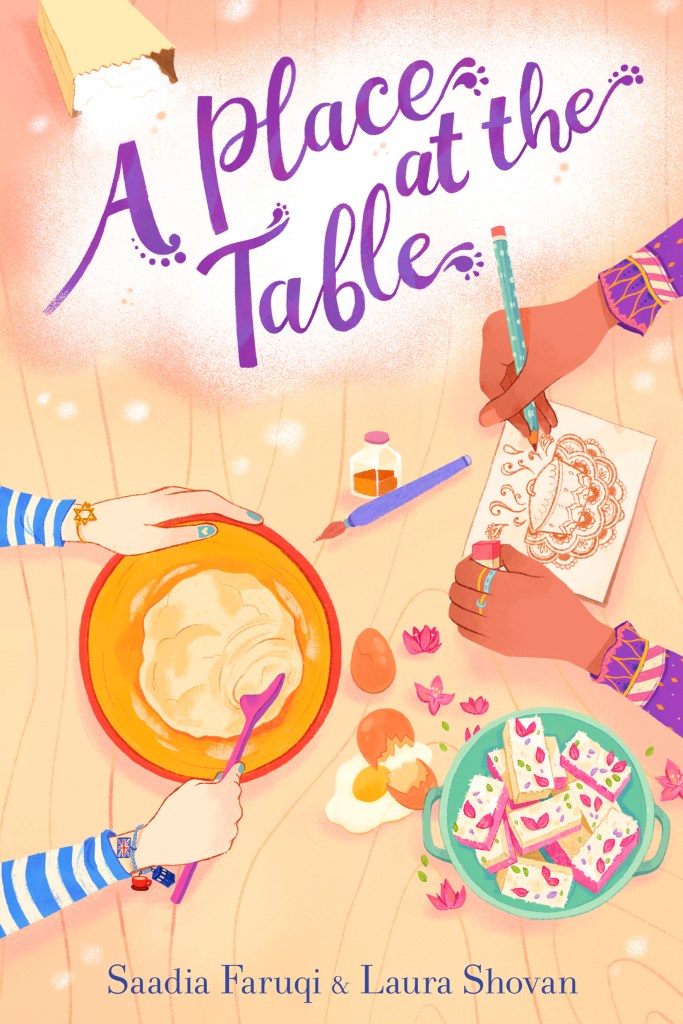
Faruqi and Shovan are publishing A Place At the Table next month and I couldn’t be happier that this book exists. When I read it, I felt a warmth for the characters and the food that filled me up with love. Sara is Pakistani American and Elizabeth is Jewish and they both end up in the Southeast Asian cooking class run by Sara’s mother after Sara moves to the school. They befriend one another and find that their connections run a bit deeper as both of their mothers are not naturalized American citizens. But as the title implies, the girls work through typical middle grade angst by finding a place for each other at the table.
And last is an adult title that was recommended to me by a friend. While the book is over ten years old, it will resonate with those who can appreciate all the ways that food affects our lives be it romance or in mourning, friendship or solitude. It’s a series of vignettes that are all centered around Lillian’s cooking school “The School of Essential Ingredients” that she runs on Monday nights. It follows the attendees in various parts of their lives and how they all came to be together in the class. The languid storytelling is part of the appeal, like savoring a meal, and enriches the understanding. I also found myself pausing and re-reading lines that hit me to my core as a cook, baker, lover of food. As said by two participants in the class: “Here’s to kitchens. And here’s to what comes out of them.”


And last, another powerhouse name (in this case two!) attached to a powerhouse book. This one is Sulwe written and inspired by Lupita Nyong’o and illustrated by Vashti Harrison. If I could live inside the illustrations and surround myself with the colors of this book, I would which is ultimately what the story discusses: color. Sulwe feels estranged from others because of the darkness of her skin which is the darkest of her entire family and while she hears that her skin is beautiful, she doesn’t feel like it. She hears taunts and connects words with their connotations that are all too often negative. It isn’t until a magical evening that she’s told the story of the day and the night where she sees the importance of everyone’s differences and how they’re dependent on one another like the sisters of daytime and nighttime.