RSS

Category Archives: Articles

Free Comic Book Day shenanigans are back at the library

Years back, our high school library celebrated the national Free Comic Book Day on the Monday following the nationally-celebrated first Saturday in May event.

It began when a comic nerd named Jay was interning with a social worker at our school and asked about helping kick one off and it slowly grew from there. Even after he was gone, he would return to help whether bringing tabletop games, and ideas to introducing me to people in the field who could also contribute. He’s about bringing people together over comics and he writes about it in magazines and on websites like this 2022 article called Why Buying Your Kids More Comic Books Can Benefit Their Mental Health for Inside Hook.

Then the pandemic hit and like many events, it fell by the wayside until this year. We were going to be hosting Steve Sheinkin as our author visit about a month before Free Comic Book Day and I wanted to make the connection between his award-winning Bomb being turned into a graphic novel and his Rabbi Harvey comics to comics in general whether our high schoolers were already fans or not. It’s as much about exposure for a new group of comics lovers as it is a place to connect for tried-and-true comics lovers.

Jay again stepped up when I reached out because I had mentioned wanting to do a panel or have experts on hands during our lunch shifts. Then we’d have passive activities (and a few active ones) surrounding the learning.
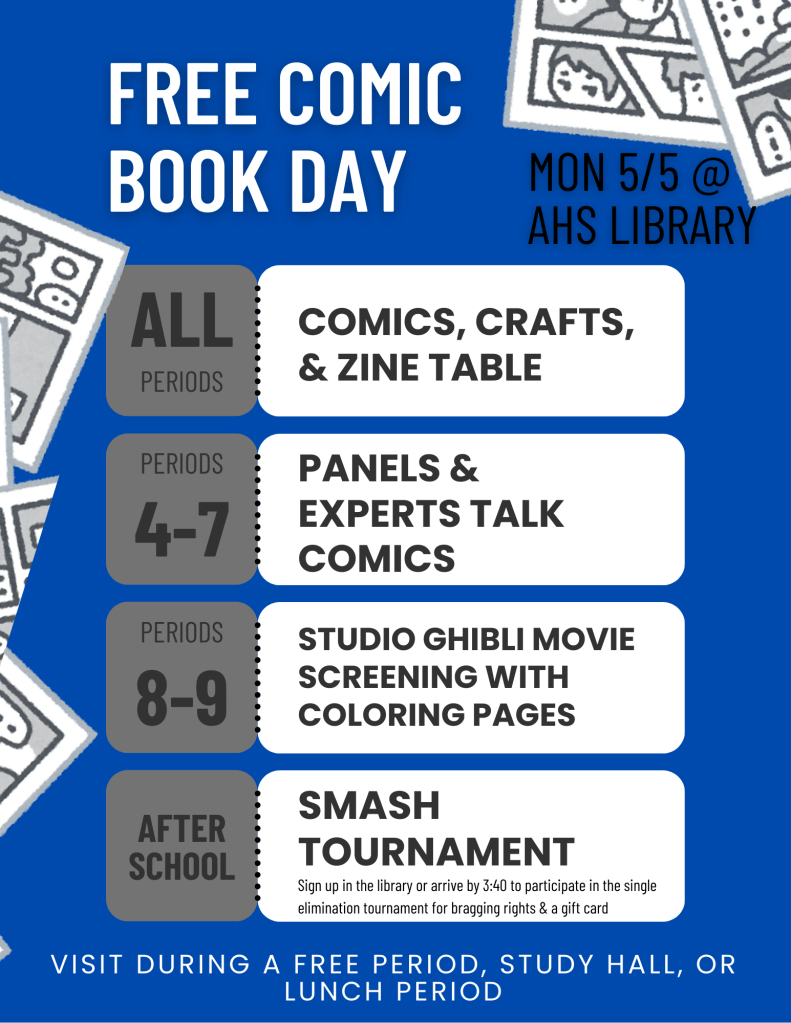
I worked with my Japanese Culture Club to design the activities and then invited classes from departments like art to take part. They heeded the call and brought down classes to learn from our panelists who ranged from a comics shop owner to an illustrator of several graphic novels who I was surprised to learn was local. The others were collectors since childhood, an independent publisher of comics, and contributors to the comics field in other capacities. But more than that, the students sat down and decoupaged a coaster from old comics, worked on a Marvel puzzle, and helped add pages to our pop-up zine.

We’re happy that these moments were captured by professionals in our district’s Communications department and shared with the school community. The smiling faces holding comics. The serious focus while creating their art. The intense language of a gaming tournament after school. Even though it was a long day setting up and breaking down, soaking up their enthusiasm is what keeps all of us in education young.

Now on to planning next year’s event…
 

Tags: , , , ,

Obituaries

Obituaries got me thinking.

I worked for about a decade in my formative teenage years as a small town diner. The experience shaped me in ways I’m still discovering in my thirties and that was in part due to the myriad of people that come and go as employees but also as patrons. Several days ago a gentleman named Bucky, who was a regular in the diner as both a patron and part-time employee peeling and cutting potatoes most specifically for the breakfast crowd needing their home fries, died. And his obituary published today. It was the kind of obituary I want some day; one that captures who I was at my core. This post was written so that many can know about him, but also it’s part of a larger conversation about obituaries, one of the last things left behind.

There was a recent article in the local paper about the wife of a well-known local TV anchor. She recently passed away about a year after her husband. She did not want an obituary. But her children decided to write one because they felt that she didn’t think she was worthy of one, but she was a formidable woman who needed recognition. And they felt they embodied her personality especially when they ended the short obituary with a joke about death, a rabbi, and speaking at a funeral.

Obituaries are treasure troves. I skim them every day and read one that stands out. Several weeks ago it was a dual obituary for a husband and wife. The wife died and the next day her husband died of a “broken heart”. There are the obituaries that you can read between the lines and identify as suicides. There are goofy ones and others that list every accomplishment from birth to death. There are lives cut short and those that lived good, long ones. There are children. There are surprises, inside jokes, and nuggets of truth buried in them.

Just like books do.

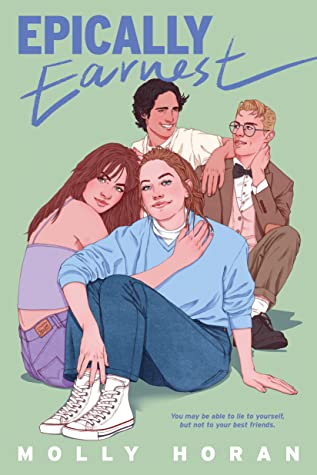
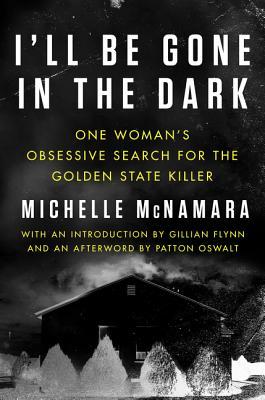
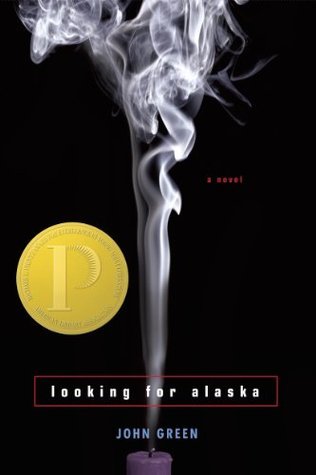
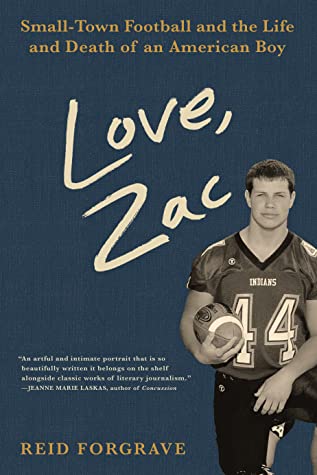
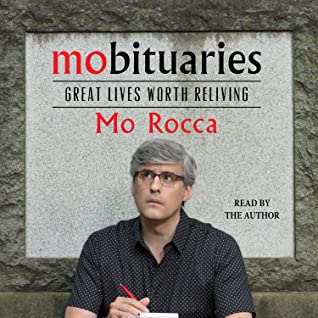
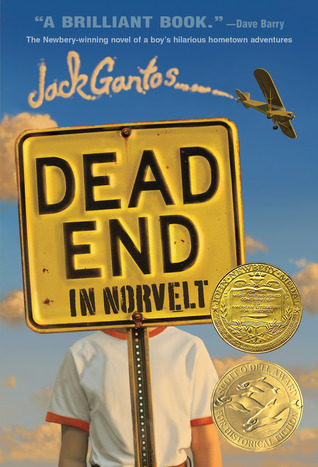
I thought about the books that deal with death in a range of ways. Epically Earnest is due out in June 2022 and included the title character creating living obituaries that were interspersed in the story which then reminded me of Miles from Looking for Alaska who was obsessed with collecting the last words of individuals. And of course, Jack’s old neighbor in Dead End in Norvelt who writes the obituaries for the townsfolk for which he must now help. Michelle McNamara didn’t get the last word in her book because she died before she could finish it as she lost herself in research to identify the Golden State Killer in I’ll Be Gone in the Dark: One Woman’s Search for the Golden State Killer. Love, Zac: Small-Town Football and the Life and Death of an American Boy couldn’t have been written as detailed as it was if Zac had not kept a diary of his battle with traumatic brain injury due to football before he committed suicide. And the ultimate connection: the well-researched with a side of humor and endearing love– Mo Rocca’s Mobituaries: Great Lives Worth Reliving (of which I recommend the audiobook where he narrates).

The topic should not be shied away from nor should the topic of obituaries go undiscussed. Remember the scene in My Girl where Veda’s dad sits at the typewriter to honor the lives of those that come through their doors?

Do others read obituaries? As my grandfather would say, he read them to make sure he wasn’t dead yet. What’s your reason if you do? Curiosity, the artform, respecting the dead? Do you think about what yours will say? Are you actively penning thoughts for your own?


The 31 Days of December: Literary lunchbox

A fellow librarian colleague, Stacey Rattner, who I’ve mentioned in the past and I presented last month about how our reading lives as librarians affect our students’ reading lives. We asked questions to think-pair-share about and then coupled them with reading recommendations.

During one of these sections, we talked about having time/making time to read and Stacey shared that I read during my lunch period. Yes. Every day I read during my lunch period. Other than when my intern and I were eating together this fall or if I can’t take my lunch for some reason, you’ll find me with my feet on the opposite chair, eating my snack, and reading. And it was recently reinforced when I was listening to the audiobook Do Nothing: How to Break Away From Overworking, Overdoing, and Underliving by Celeste Headlee that what I’m doing has work and personal benefits similar to this BBC article from 2019 that also references how brain breaks at work lead to happier employees and feelings of productivity. I didn’t start doing this because of these reinforcing studies, I did it because I knew it would help me detach for a brief time in the middle of the day and do something I loved. It resets me and I started sharing on my public Instagram my lunch time reading it, using the hashtag #literarylunchbox. They tend to be graphic novels or short nonfiction that I can either read in a period or over a few days.

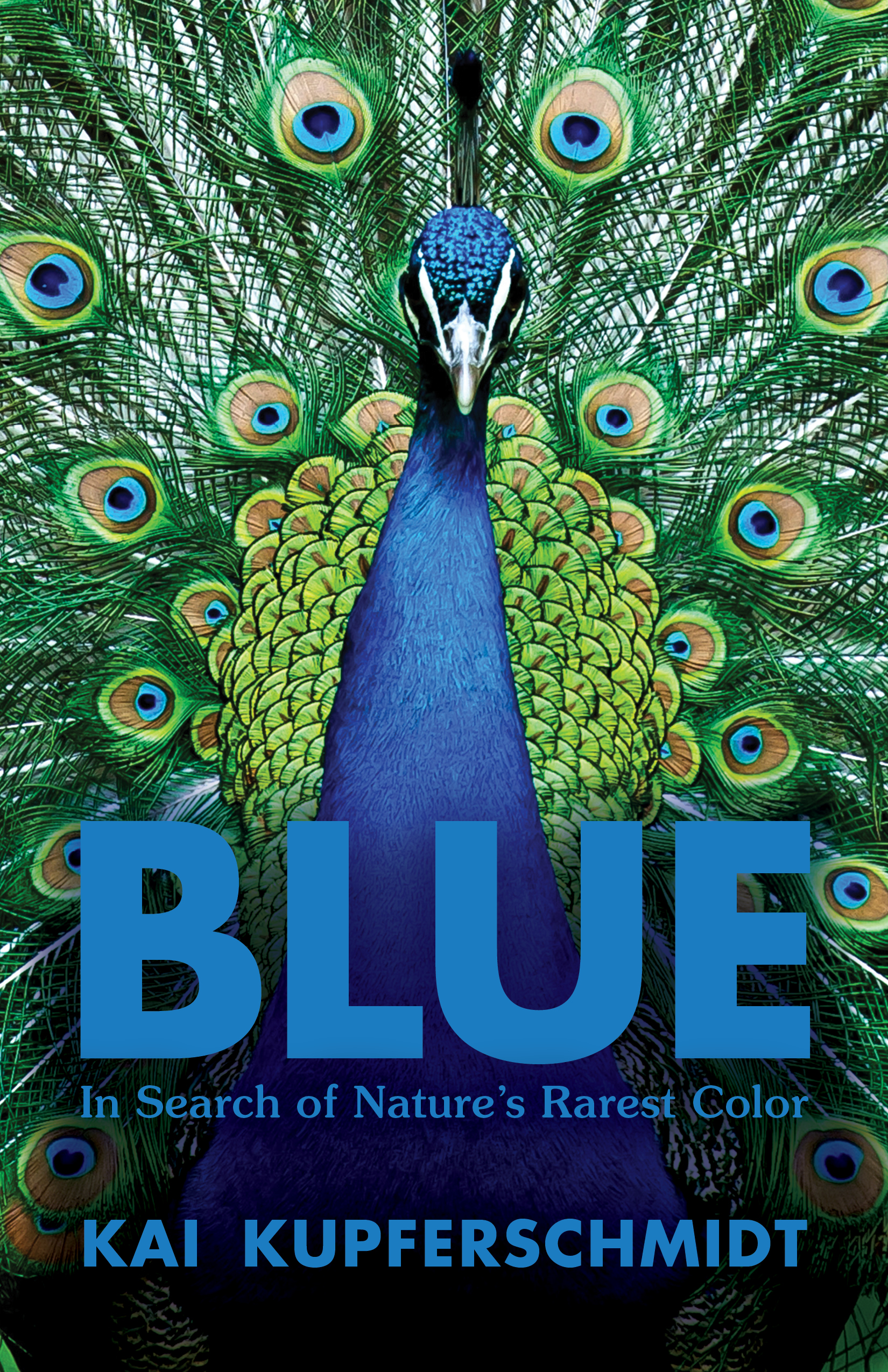
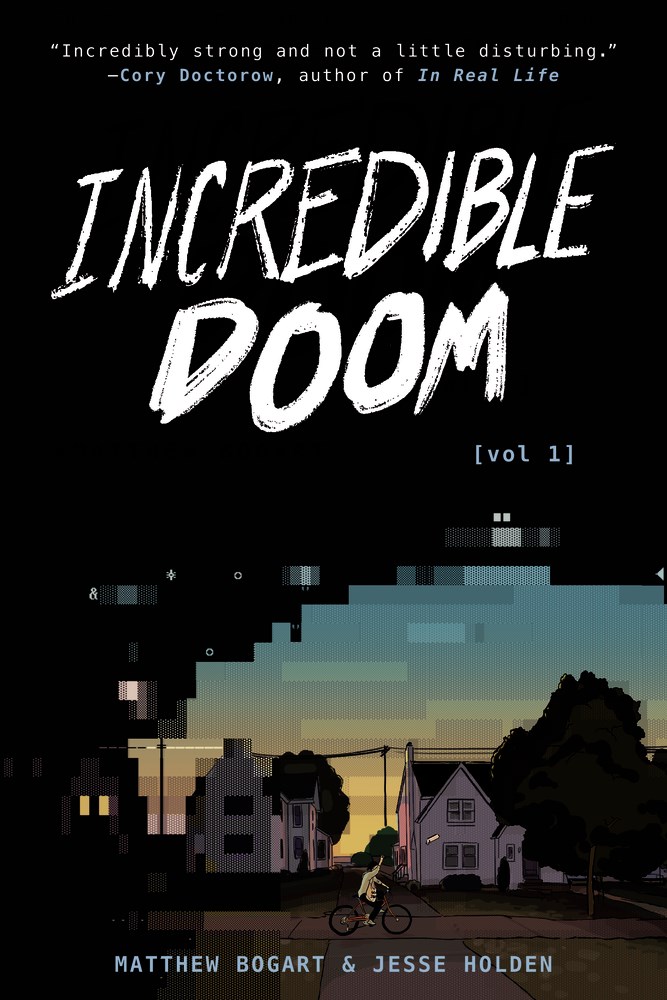
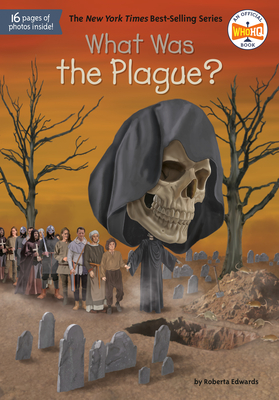
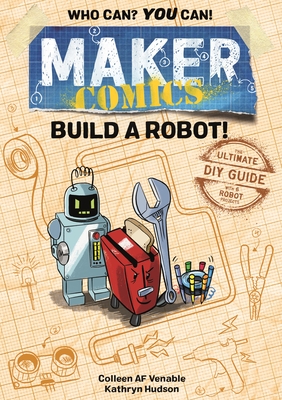
Here are some of the titles I’ve read recently during my lunch period:

What do you do during your lunch break?


I got a hobby

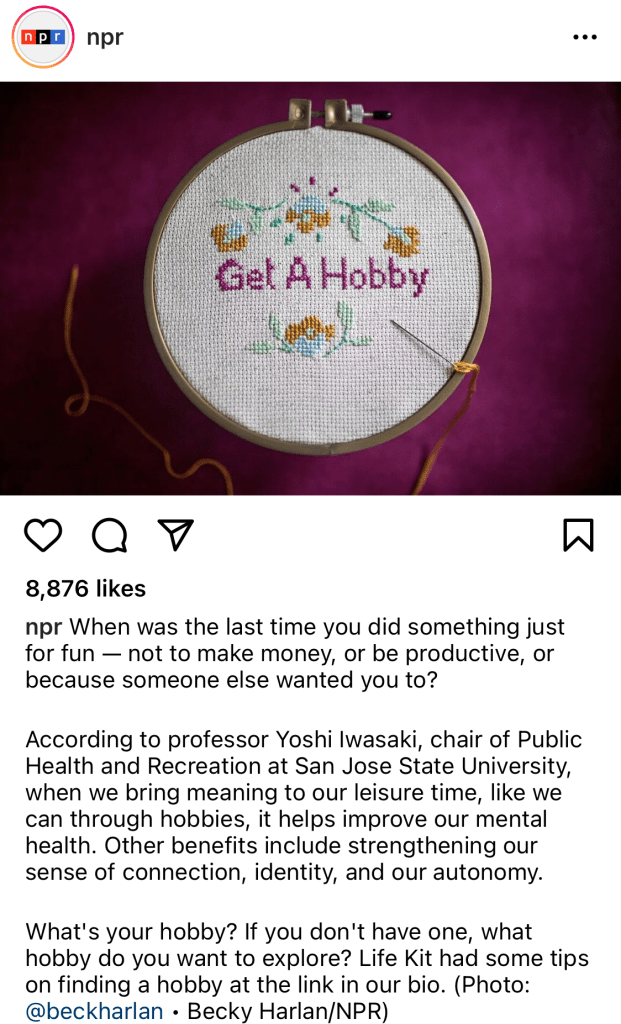
A while back I saw this Instagram post from NPR with the needlepoint “get a hobby” and the subsequent explanation that research shows that providing opportunities for meaningful hobbies improves mental health including “strengthening our sense of connection, identity, and our autonomy.” I saved it because I knew I wanted to address this in a post.

It also goes hand-in-hand with one particular professional book study I’m running at my high school for staff using Sir Ken Robinson’s The Element, which discusses finding your passions and your tribes of people within these passions whether they end up being something you get paid to do or that are simply hobbies or intelligences you have and use.

While some of my hobbies are quite evident (reading, for instance) others are generally traditional like baking. I also carve out time to visit old cemeteries for the history and information they provide about the past. And I’ll always return to what Professor Iwasaki shared in that Instagram post about how it strengthens our sense of identity.

I am a reader.

I am a baker.

I am a cemetery-enthusiast.

And in plenty of reading I’ve done lately about being less distractible or creating new/better habits or any of the other myriad of social psychology and self-help that I enjoy learning from, usually also goes back to identity. What are you? I am…

And I can show you the ways that I am a reader based on my holds list at the library, my TBR pile sitting behind me, my accoutrements for reading including book weights and page holders for my thumb, plus accessories like my “reading is sexy” button and t-shirts. It is because I carve out time every day to read. My social media handle is related to books and I have a public Instagram just for sharing about books (and dresses). I am dress-obsessed, too. But back to books, it’s that I have a ready-made book recommendation should someone need one, always. And I can always talk about them. Simply, it is part of my identity.

I’d love to know from readers, what identities do you have built from the hobbies you love?

 
Leave a comment

Posted by on August 4, 2021 in Articles, Blogging, Miscellaneous


He spoke to me

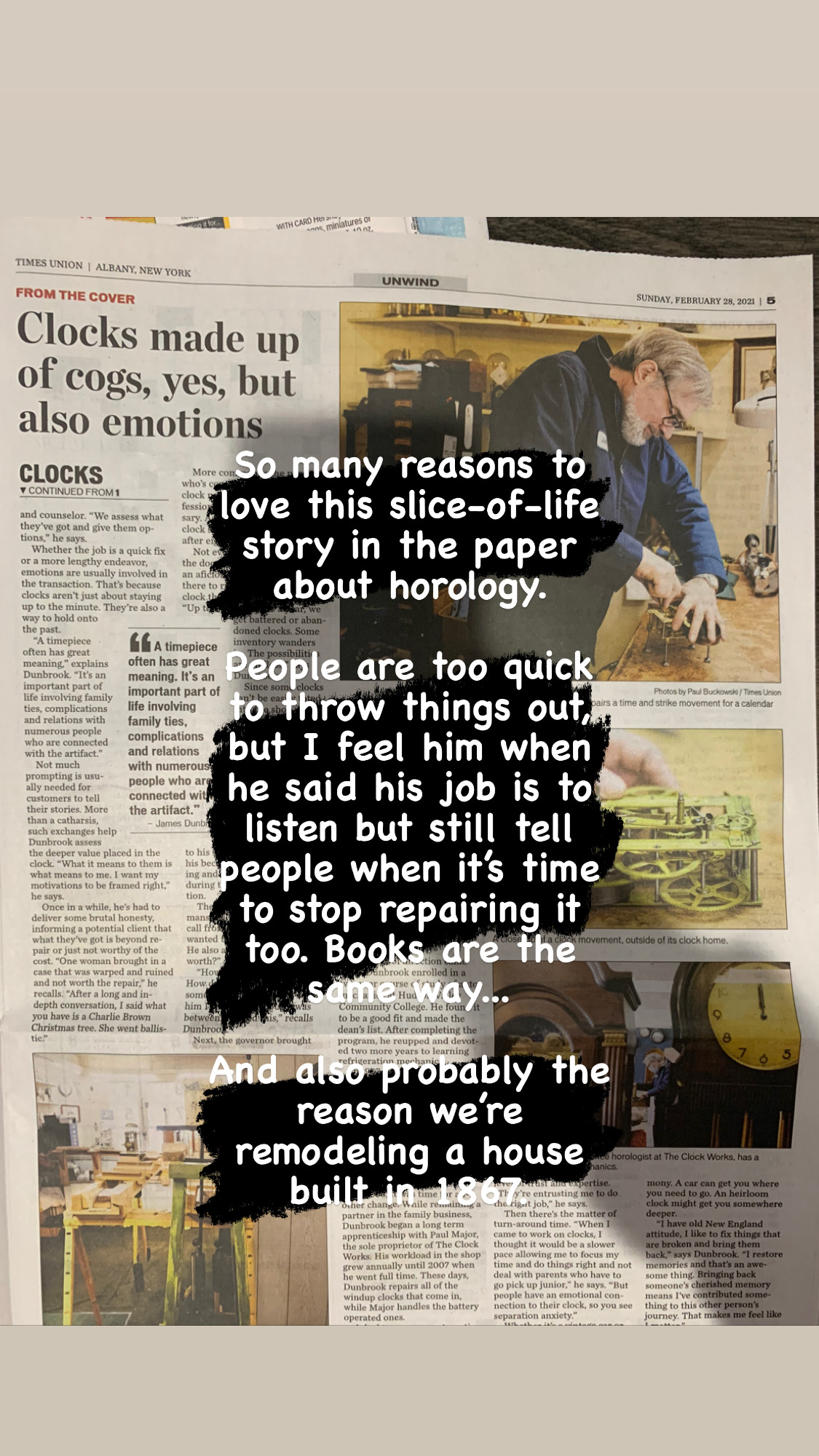
The local newspaper this weekend featured a human interest story about a horologist. For the uninformed, including me until I read the article, a horologist is the someone who studies time as it relates to watch and clockmaking and repair.

This slice of life story made me stop and think about all of the ways that people contribute and what they find worthwhile, including creating a career out of it. And he made a comment

“I restore memories and that’s an awesome thing.  Bringing back someone’s cherished memory means I’ve contributed something to this other person’s journey.  That makes me feel like I matter.”

Aren’t we all looking for that opportunity to contribute to one another’s journey and feel like we matter? And yet I was also silently smiling a little as a school librarian when the article writer explained,

Once in a while, he’s had to deliver some brutal honesty, informing a potential client that what they’ve got is beyond repair or just not worthy of the cost. 

I felt this. Because I spend some portion of the year pulling books off the shelf to donate to a location that might have an audience that would appreciate them or truly pull them off the shelf and discard them. That’s a hard conversation with others who see the books in the recycle bin or trash and want to save them. I have my ready-made reply that both understands where they’re coming from but explaining that everything must come to an end, even a book’s life.

Are horology and library science the same? No, but there are connections to be made. Emotions to be had. Feelings of the books from your childhood that you want to preserve. I shared the epic moment on Instagram that I gifted my boys with my copies of Calvin and Hobbes that I had been collecting since I was a child. What are those items– clocks or books– that have cherished memories?

 
Leave a comment

Posted by on March 3, 2021 in Articles, Reflections


No one asked me, but

In subscribing to a handful of blogs and reading websites, following hashtags on Instagram, and reading professional magazines for librarians, I spend time each day skimming or deep-reading articles and short snippets of reviews and recommendations. Several days ago, Senjuti Patra published an article “A Brief History of Reading” via Book Riot. Several passages struck me and I wanted to share my thoughts. Yes, no one asked me, but I’m going to share them anyway.

The earliest written texts were meant to be read out loud. The characters were written in a continuous stream, to be disentangled by the skilled reader when reading out loud. Punctuation was used for the first time only around 200 BCE, and was erratic well into the middle ages.

This fascinated me, but it makes sense that the development of writing taken from the oral traditions wouldn’t have been fully formed. And even now, things continue to develop and morph. It truly centered around the reader and a skilled one at that. Someone who would practice ahead of time and deliver it with gusto because it was a form of entertainment or to deliver information that anyone could understand.

Reading from a book was considered pleasant dinnertime entertainment, even in humbler homes, from the Roman times to the 19th century.

Let’s bring this back. Seriously. I’m thinking that once a week, we’ll turn off the news and instead listen to a family-friendly audiobook. What would you suggest?

Once primary education became more accessible and acceptable, younger members of the family read to the elders, in a sweet reversal of the classic grandma’s tales.

The minute I read this sentence I remembered the scenes (I’m sure they were in the book but I automatically conjured the movie in my mind) from Little Women in which Jo was heading to the home of an older relative (her great aunt?) to read and dreading it, but how important it was for the connection between generations. It allowed the youth to practice their skills and benefited the old who might have had failing eyesight but also wanted the companionship. I’m assuming technology has stepped in in some ways and someone older is just pulling an audiobook up, but what a thought that books like card games can bring everyone together.

 
Leave a comment

Posted by on January 11, 2021 in Articles, Blogging, Quotes, Reflections