March is a month of uncertainty– between weather in upstate New York (a fourth Nor’easter possible next week?!) to party schedules with numerous birthdays (including my own two sons’) and things to plan and schedule. Yet no matter what, I manage to squeeze in some reading. This is certainly not a “six sensational” list nor a glowing review of a five-star book I recently read, instead a snapshot of what I’ve been reading just in case you were about to ask.


- Some true crime… The Girl on the Velvet Swing: Sex, Murder, and Madness at the Dawn of the Twentieth Century by Simon Baatz
- Who doesn’t love true crime, honestly? Give me documentaries, podcasts, and books about real life crime dramas and I’m hooked!
- Some middle grade… Hello, Universe by Erin Entrada Kelly
- Read this award-winner so that I can meet up with some librarians and eat some pizza and discuss some books #mykindofparty
- Some re-tellings… The Claiming of Sleeping Beauty by Anne Rice writing under her pen name A.N. Roquelaure
- Ask me to tell you this story in person
- Some nonfiction… Noah Webster: Man of Many Words by Catherine Reef
- Who doesn’t love someone who loves words? And to know that many people disliked him made it even more fascinating
- Some graphic novels… Speak illustrated by Emily Carroll based on Laurie Halse Anderson’s 2001 classic and another The Breadwinner: A Graphic Novel based on Deborah Ellis’ series of the same name adapted from the animated film available on Netflix that I literally watched a week before this book was shipping to our library through Junior Library Guild
- I get that visual content appeals sometimes to a different audience, but I’d say both graphic adaptations captured the mood of the original books in a way that makes me adore them both.
- Some feel-good humor and hijinks that never gets old… Lumberjanes: The Moon is Up by Mariko Tamaki
- Three words: hecka heart eyes
- Some more “love and madness”… Mary’s Monster: Love, Madness, and How Mary Shelley Created Frankenstein by Lita Judge
- I’ve already tweeted my adoration for the mashup of beautiful black and white images and the captivating story Judge shares about our favorite haunted woman who created a horror classic
- Some women’s empowerment for Women’s History Month… What Would She Do?: 25 True Stories of Trailblazing Rebel Women by Kay Woodward
- With a vivid cover and a unique voice, it stands above others being published in recent years focusing on women who made an impression
While these are just a handful, it’s a taste of the wide-ranging reading that I do daily because I follow my interests and passions, want to be sure I have books in my back pocket to recommend to my students, and heck, there’s just awesome books being published every day by awesome authors. If you want to follow every book I read, you can find me on Goodreads.

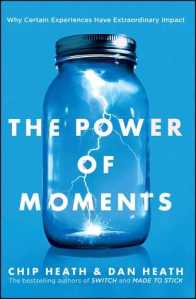 As I started to shape what I wanted to share in this post, I also remembered that a fellow New York State librarian, Sue Kowalski, often uses the hashtag #momentsthatmatter when she posts to Instagram, usually when sharing pictures of her mother, but friends and family. She knows the value of a moment. I wonder if she could have contributed to the book? In essence, the Heath brothers set out to demonstrate to readers how experiences in our lives have an “extraordinary impact” and drill down to the four elements of powerful moments: Elevation, Insight, Pride, and Connection. They reluctantly share the acronym to easily remember it as EPIC.


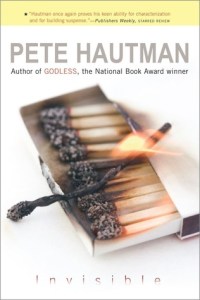

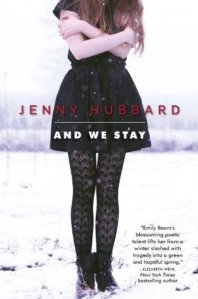
 1. The Reason You’re Alive by Matthew Quick
 2. Saga by Brian K. Vaughan and Fiona Staples (artist)
 3. From Here to Eternity: Traveling the World to Find the Good Death by Caitlin Doughty
 4. Difficult Women by Roxane Gay
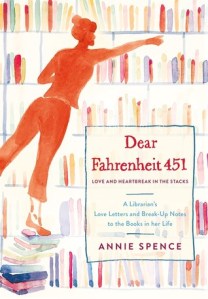 5. Dear Fahrenheit 451: A Librarian’s Love Letters and Breakup Notes to the Books in Her Life by Annie Spence
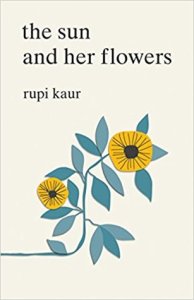 6. The Sun and Her Flowers by Rupi Kaur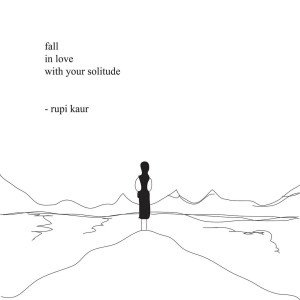
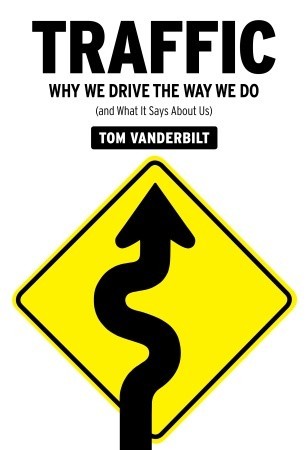 Whether I’m coming or going, my home city is always a sight and was actually the center of quite a lot of

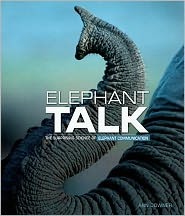 Elephant Talk: The Surprising Science of Elephant Communication by Ann Downer-Hazell is exactly what the title and subtitle tell you it’s about as a short nonfiction explanation of how elephants communicate and how humans have studied and learned about these animals as people like Jane Goodall did with primates. It’s one of two reasons I went on a solo trip to Africa after I got my Bachelor’s degree– to see a wild elephant.
 Europe


