In honor of Veteran’s Day, I wanted to highlight some of my favorites from the past and one current favorite to recognize all the men and women who have fought for our country, returned, struggled and adjusted, and continued on. I certainly could highlight many, many more including books like The Things They Carried by Tim O’Brien or The Yellow Birds by Kevin Powers, but I’ve chosen these six sensational ones to highlight for this homage to our veterans, including my husband.
- In Country by Bobbi Ann Mason- The journey that Sam takes to understand why her father never came home from the Vietnam War and what her uncle and his friends are experiencing upon their return creates a beautiful arc to the story where they travel to the Vietnam Memorial fulfills Sam’s quest.
- I Had Seen Castles by Cynthia Rylant- This is a small story with a very big impact because it doesn’t sugarcoat the experiences of a World War II story. I’ll share a favorite quote “When I told my father, during his Sunday evening call, that I had enlisted, I think he stopped breathing. When finally he could inhale once again, it seemed to be with great labor. A man with a ton of weight on his heart.”
- Soldier’s Heart by Gary Paulsen- A contemporary classic using one of the oldest terms for PTSD, this is Paulsen at his best telling the story of nineteen year old Charley Goddard during the Civil War.
- Ghosts of War: The True Story of a 19 Year Old GI by Ryan Smithson- Knowing him personally makes the impact of Smithson’s story stronger and his willingness to speak to teenagers about the impact of his service on him and his family make this a powerful memoir with a mix of emotions, facts, experiences, and heart.
- Fallen Angels by Walter Dean Myers- A seminal work that makes me love Walter Dean Myers. African American service member, Perry who enlists and goes to Vietnam coming face to face with evil and danger to fight against racism in the military as well as the horrors of fighting in Vietnam.
- Wolf Hollow by Lauren Wolk- This story has many layers, but the one that spoke loudest to me as a reader was Toby’s, the World War I veteran living near Annabelle’s home in Pennsylvania. He’s disliked because he’s mysterious, a loner, and disheveled, but Annabelle knows how deeply he feels inside, especially when he becomes the target of the new, mean girl’s rage only to suffer a tragic fate that is emotionally draining.
If you haven’t read them all, add them to your to-be read pile because none of them will disappoint. Happy Veteran’s Day to all who have served as well as their families who have supported them.

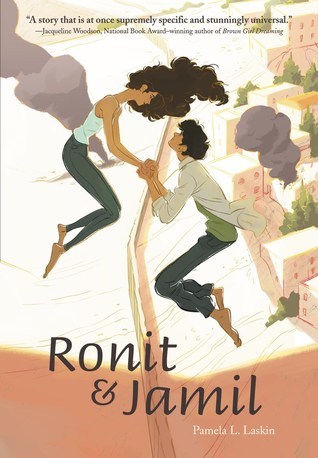 Memorable character: Clearly you cannot separate our two main characters who are fighting passionately for one another when all others would tell them to quit. They both speak eloquently through Laskin’s gorgeous poetry, told alternately between the two.
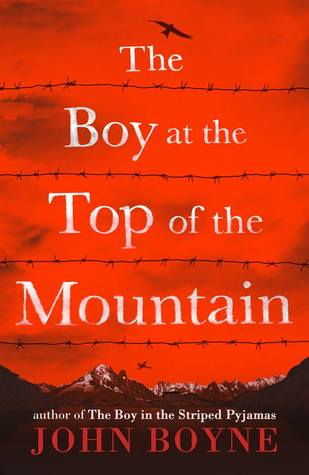 uicide because his post-traumatic stress overruns his mental health. Pierrot then loses his mother and after a short jaunt at a uniquely caring orphanage run by two sisters, Aunt Beatrix brings him to her place of employment, one of Hitler’s homes at the top of the mountain. Here she encourages him to change his French ways and cut off contact with his Jewish childhood friend to befriend her boss, Adolf Hitler. And befriend he does, leading to a visceral change: “It was Pierrot who had climbed out of bed that morning, but it was Pieter who returned to it now before falling soundly asleep.” This haunting sentence sets readers up for the heartbreak that Pieter will dispense at the hands of other employees at the home and even with a girl he says he cares for.


 I usually have to distance myself by a day or two after finishing an amazing book and truly being able to write about it. Haven’t we all been there where we close a book and stare at the cover thinking about all the ways we were moved by it and how it will affect our world view? Monica Hesse’s Girl in the Blue Coat is one of those books. You can


