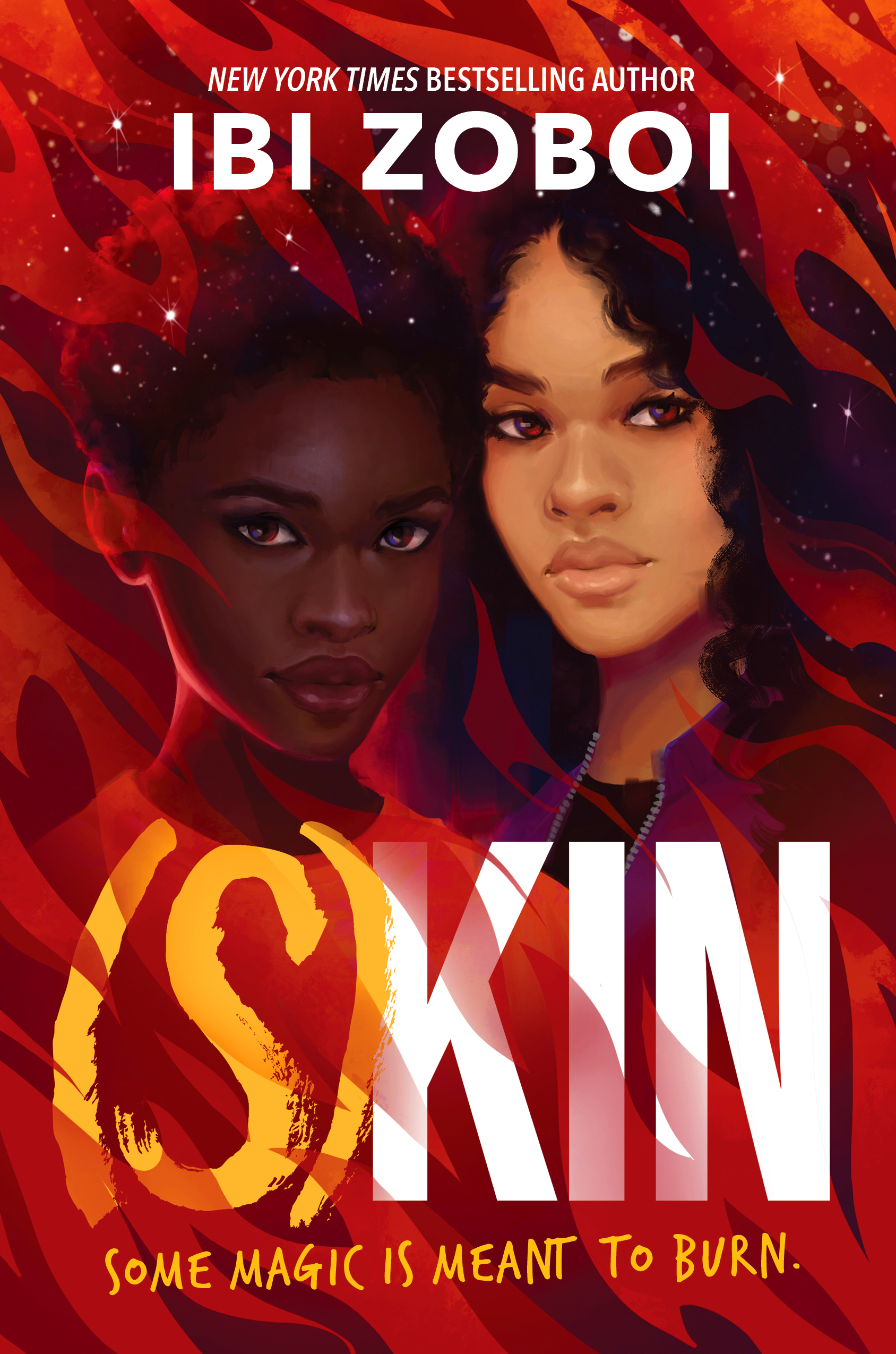
Yesterday I read Ibi Zoboi’s newest book (S)kin that came out about a week ago. She writes the story in verse and specifically as readers get to know Genevieve and Marisol, Zoboi works her magic with the format in an ingenious way. It got me thinking about how much I adore the verse novel format when it’s done right. It puts the emotion front and center because it does not rely on words alone to tell the story.
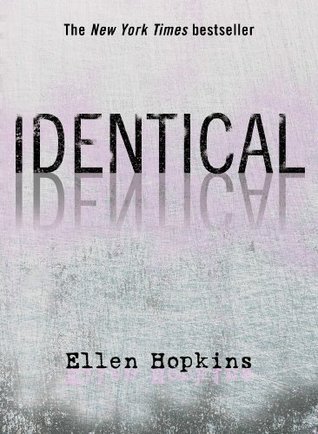
I remember when Ellen Hopkins broke onto the scene with Crank, but the verse novel that (S)kin is most similar to is Identical by Hopkins: two perspectives of the twin teen girls and as the story switches between each of them, their thoughts or words align along the center of the page. It was gold then and it’s gold now to use visual poetry to convey secondary or tertiary layers of meaning.
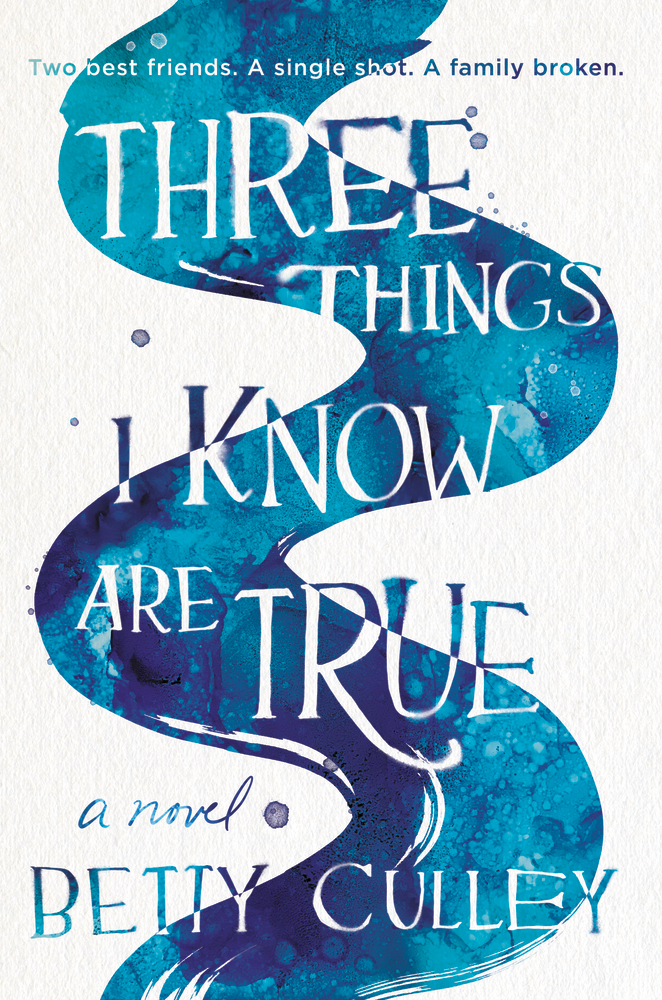
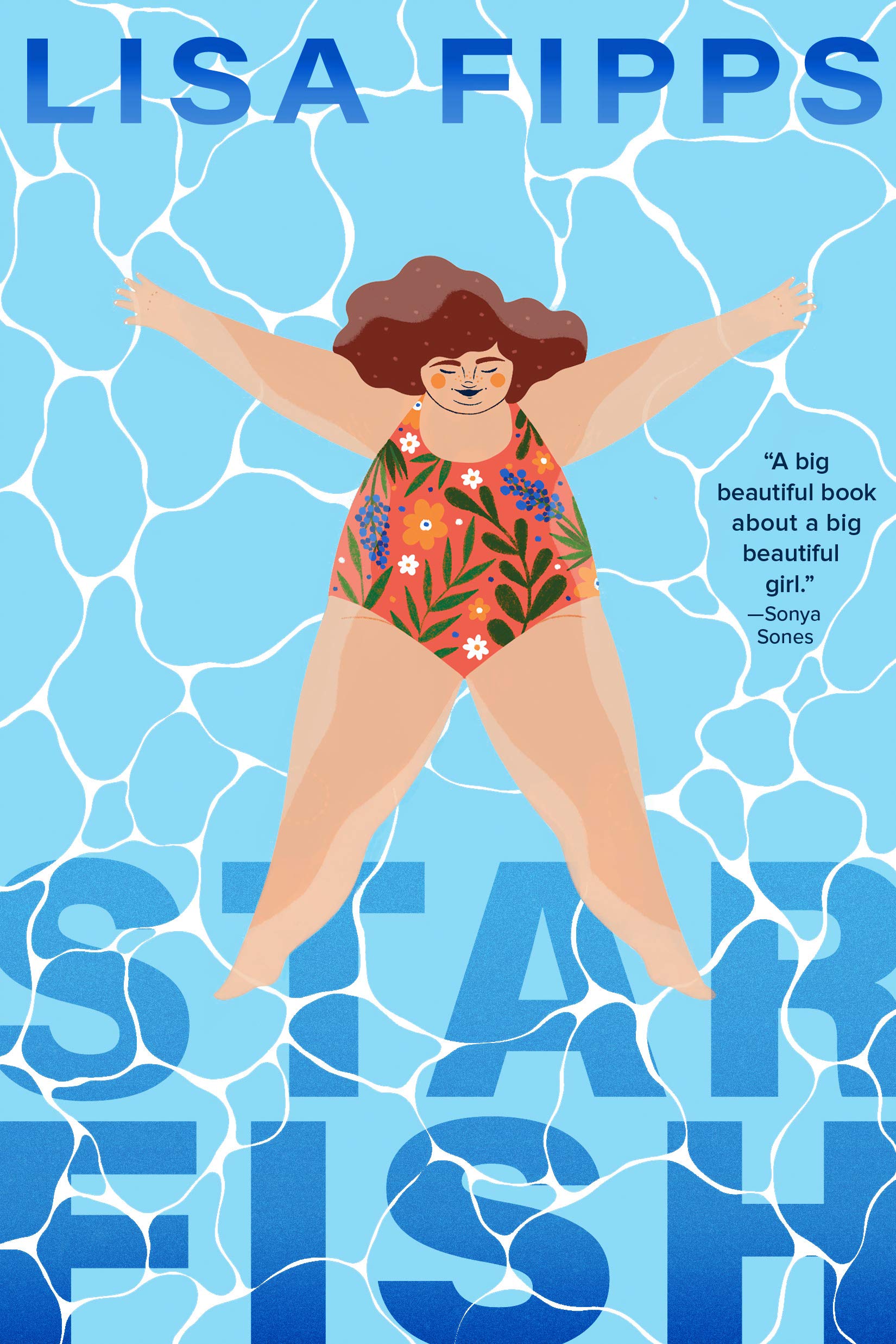
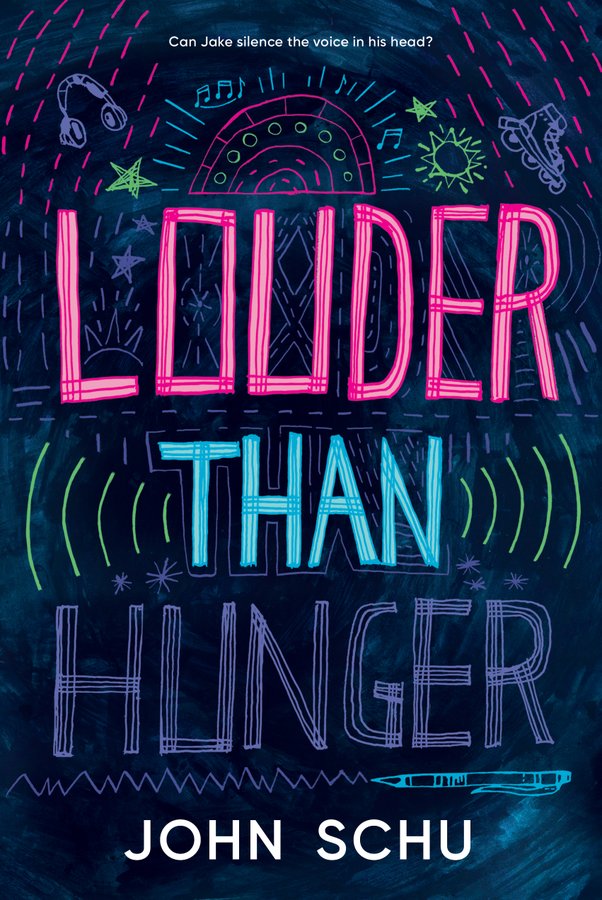
Another element of verse novels is what I mentioned earlier: emotion. In Three Things I Know Are True by Betty Culley, Starfish by Lisa Fipps, and Louder Than Hunger by Jon Schu, the characters are going through some stuff. And that’s an oversimplification: Liv’s brother shot himself in the head with a gun at a friend’s house but survived though with significant medical issues; Ellie’s self esteem is wrecked by her mother’s insistence on Ellie getting thin; and Jake (based on Schu’s own experiences) suffers the loss of his grandmother which catapults him into an eating disorder so disruptive that it requires in-patient treatment. In all three of these examples, readers empathize intimately with the character’s because there’s a thin barrier between the character and reader when there are fewer words to hide behind. Oftentimes, it’s the lack of words on a page that sucker punches the reader when it’s only one or two in a sea of blank space.
This creative form is a win. I gravitate toward verse novels in the way that teens do too. For pure emotion. It’s said that a picture is worth a thousand words, but it’s also true of a verse novel that does more with less.


 Readers Be Advised